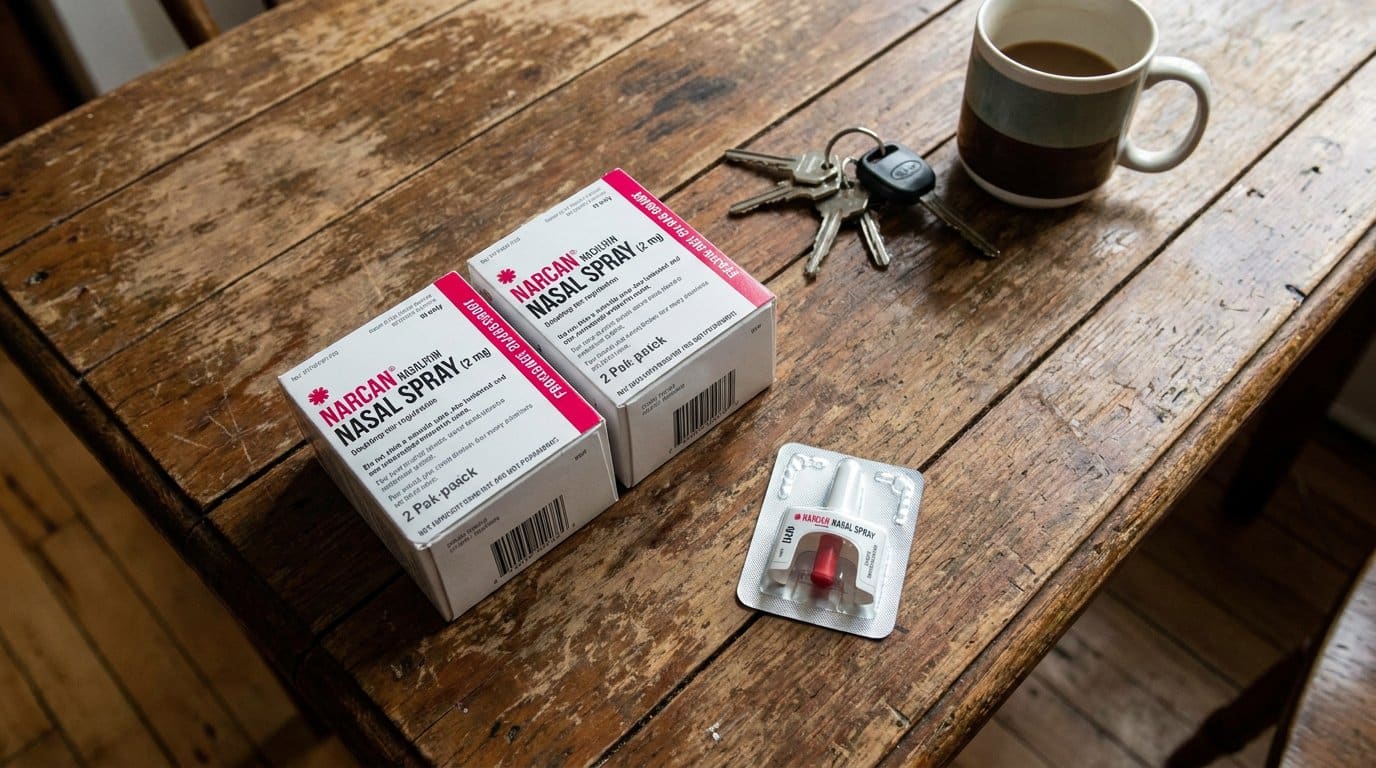
During your loved one’s first week in residential rehab, you’ll see a structured process unfold that prioritizes safety and stability. They’ll complete a confidential admissions assessment, undergo medical and psychological evaluations, and begin medically supervised detox with 24-hour nursing care. Early therapy sessions focus on building trust, introducing coping skills, and setting personalized treatment goals. Understanding each step of this journey can help you recognize meaningful progress and know what’s ahead.
What Happens on Admission Day at Residential Rehab?

When you make that first call to a residential rehab facility, you’ll connect with an admissions coordinator or case manager who guides you through the intake process. They’ll discuss your substance use history, mental health conditions, and insurance options while checking facility availability. This initial conversation is completely confidential and designed to help determine the appropriate level of care for your specific needs. Many intake specialists have been through rehab themselves, allowing them to offer genuine empathetic support during this vulnerable time.
Upon arrival, you’ll undergo a thorough medical examination and psychological evaluation. Staff will conduct a personal belongings search to guarantee a safe, recovery-focused environment. You’ll review and sign consent forms, receive a facility handbook outlining rules and guidelines, and get assigned to your primary clinician.
Next, you’ll tour the facility, meet your treatment team, and settle into your room. Staff will explain your individualized treatment plan and address any remaining questions before your recovery journey begins.
How Will Doctors Keep Your Loved One Safe During Detox?
Because detox can bring unpredictable physical challenges, medical staff at residential rehab facilities implement multiple safety measures to protect your loved one throughout the process.
Professional detox monitoring includes continual health assessments of critical signs like heart rate, blood pressure, and temperature. This vigilance allows staff to detect concerning changes early and intervene before complications escalate. This continuous care prepares the body and mind for the next steps in the healing journey.
Physicians keep your loved one safe through:
- Prescribing tailored medications to ease withdrawal symptoms such as nausea, anxiety, and muscle aches
- Providing 24-hour nursing care for immediate emergency response
- Reducing life-threatening risks like seizures and delirium tremens
- Preventing dehydration and other complications through professional oversight
You can feel reassured knowing compassionate caregivers are monitoring your family member around the clock, ensuring their safety and stability. Beyond physical care, medical teams also provide emotional support and reassurance, offering guidance and motivation during the challenging moments of detox.
What Do the First Therapy Sessions Look Like?

Once your loved one has stabilized physically, they’ll begin meeting with therapists who prioritize building a genuine connection before tackling deeper issues. These early sessions focus on understanding your family member’s unique story, establishing personalized treatment goals, and introducing foundational coping skills they can use right away. Individual therapy sessions allow therapists to explore your loved one’s emotional state and motivations while addressing any immediate concerns. You can expect a blend of individual check-ins and group experiences designed to help them feel supported while learning practical tools for recovery. During days 4, 7, patients typically participate in their first group therapy session, which serves as an introductory experience to connect with peers in a safe, supportive setting.
Building Therapist Trust
Although the idea of opening up to a stranger might feel intimidating, your first therapy sessions in residential rehab are designed to help you feel safe and supported from the moment you walk through the door. Establishing a strong connection with your therapist takes time, and sharing personal information happens at your own pace.
Your therapist builds trust by:
- Actively listening and reflecting your words back to show understanding
- Encouraging honest communication without judgment
- Explaining confidentiality policies so you know your privacy is protected
- Asking questions that demonstrate genuine interest in your perspective
This collaborative approach creates a foundation for meaningful progress. During these initial sessions, your therapist will also gather information about your substance use history, mental health background, and personal circumstances to develop an effective treatment plan. As sessions continue, you’ll likely find that openness becomes easier, and your therapeutic relationship grows stronger each day. After each session, consider writing down your thoughts and feelings in a journal to help reflect on insights gained and track your progress throughout treatment.
Setting Treatment Goals
When you enter your first therapy sessions during days four through seven, you’ll work alongside your clinical team to establish clear treatment goals tailored to your unique situation. Your therapist uses information gathered during intake assessments to create personalized objectives that address your specific challenges, trauma history, and recovery needs.
Milestone planning becomes central to your treatment approach during this phase. You’ll identify both short-term stabilization targets and longer-term recovery aspirations. Your team introduces psychoeducational elements that preview strategies you’ll develop throughout your stay. Individual counseling sessions help build trust between you and your therapist while allowing you to process difficult emotions in a safe environment.
These early sessions create a roadmap for your journey ahead. By setting measurable goals now, you establish benchmarks to guarantee your progress. Your clinical team verifies each objective aligns with your circumstances, giving you a structured foundation that supports meaningful, lasting change.
Learning Coping Skills
Everything you learn in your first therapy sessions builds toward one essential goal: developing healthy coping skills to replace substance use. Your therapist will introduce tools for managing discomfort early, helping you respond differently to stress triggers.
During individual sessions, you’ll work on developing healthy coping mechanisms through:
- Identifying personal triggers and underlying addiction causes
- Creating alternative behavioral responses to stress
- Utilizing mindfulness techniques like yoga and meditation
- Practicing relaxation exercises during morning activities
Group therapy reinforces these skills through shared experiences and collective accountability. You’ll participate in holistic approaches including art therapy, movement exercises, and expressive activities. CBT and DBT techniques give you practical frameworks for changing thought patterns. Many facilities also address underlying mental health conditions like depression, anxiety, and PTSD that may be contributing to substance use. Specialized sessions may also focus on anger and stress management to help you navigate intense emotions without turning to substances. This thorough approach guarantees you’re building a strong foundation for lasting recovery.
What Does a Typical Day in Rehab Look Like?

Understanding what each day looks like can ease much of the uncertainty you’re feeling as you begin your first week in residential rehab. Your daily schedule provides the structure you need to focus entirely on healing.
Mornings typically start between 6:30 and 7:30 AM with personal hygiene, followed by meditation or light movement. You’ll enjoy a nutritious breakfast before attending a group check-in to set your intentions.
Mid-morning brings group therapy sessions focusing on CBT or DBT techniques, while afternoons include individual therapy and educational workshops. You’ll receive nutritional counseling to support your physical recovery. Psychoeducational classes help you understand the science behind addiction and equip you with relapse prevention strategies. You’ll also participate in mindfulness and recovery education sessions that help build awareness and coping skills.
Evenings wind down with journaling, reflection groups, or AA/NA meetings. Lights out occurs around 9:00 to 10:00 PM, reinforcing healthy sleep patterns. This predictable rhythm reduces anxiety and builds the foundation for lasting recovery.
When Can You Talk to Your Loved One?
Although you’re anxious to hear from your loved one, most residential rehab facilities limit outside communication during the first week. These communication guidelines exist to help patients focus on their recovery without external distractions.
Here’s what you can typically expect:
- Phone calls will be scheduled at designated times rather than spontaneous
- Emails and social media access may be monitored or restricted
- Letters are often encouraged as a therapeutic alternative
- Visitation policies generally don’t permit in-person contact during the initial adjustment period
Staff will contact you within 48 hours to explain boundaries and discuss healthy interaction approaches. The patient’s counselor will determine the appropriate level of outside communication based on individual needs and progress. Remember, these restrictions protect your loved one’s recovery by allowing them to integrate into their therapeutic community without added stress.
Week One Wins That Show Real Progress
While the first week of residential rehab can feel uncertain for families waiting at home, your loved one is likely achieving meaningful milestones you won’t immediately see. Emotional breakthroughs happen daily as 98% of participants develop skills to regulate negative emotions. Meanwhile, lifestyle changes take root through structured fitness and nutrition programs.
| Progress Area | Week One Achievement |
|---|---|
| Emotional Health | Reduced mental health symptoms through integrated services |
| Physical Stability | Stable critical signs and managed withdrawal |
| Social Connection | Active peer group participation begins |
| Self-Awareness | Increased mindfulness and self-reflection |
| Engagement | Individualized treatment plan adherence |
These early wins build the foundation for lasting recovery. Your loved one’s participation in therapy sessions and group activities signals their commitment to change.
Frequently Asked Questions
What Emotions Should We Expect Our Loved One to Experience During Week One?
Your loved one will likely experience significant emotional adjustment during the first week, including fear, anxiety, hope, guilt, and even anger. These mood fluctuations are completely normal as they adapt to a new environment and confront difficult feelings. You’ll notice periods of sadness mixed with moments of relief and motivation. Clinical staff provide reassurance throughout this process, helping your family member process these emotions safely while building a foundation for lasting recovery.
How Do Staff Members Help Patients Cope With Homesickness and Fear?
Staff members address homesickness and fear through staff empathy and supportive counseling that validates your loved one’s emotions. They’ll teach practical coping strategies like deep breathing, journaling, and mindfulness techniques to manage difficult feelings. Counselors help patients maintain balanced family contact through scheduled calls while encouraging new peer connections. Licensed clinicians work individually with patients to process underlying anxieties, ensuring they feel understood and supported throughout their adjustment to treatment.
What Stress Management Tools Will Patients Learn in Their First Week?
During your first week, you’ll learn essential mindfulness techniques like deep breathing exercises and meditation to calm your body’s stress response. Staff will teach you self care strategies including journaling to process emotions and physical activities like yoga to boost your mood. You’ll also practice cognitive-behavioral approaches that help you reframe negative thoughts. These foundational tools give you practical ways to manage stress and build emotional resilience throughout your recovery journey.
How Does the Facility Help New Patients Build Connections With Peers?
You’ll start building connections through peer support groups facilitated by staff in a welcoming, light-hearted environment. These sessions introduce you to peer mentoring principles and help you feel comfortable sharing with others who understand your journey. Community engagement activities provide opportunities to bond through varied events that foster positive relationships. You’ll also receive personalized guidance from mentors with lived experience, creating accountability partnerships that support your recovery from day one.
What Holistic Practices Are Introduced During the First Week of Treatment?
During your first week, you’ll experience integrative therapies designed to support your mind and body together. You’ll participate in gentle yoga or movement classes, mindful meditation sessions, and grounding exercises to ease anxiety. Nutritious meals help restore your physical health, while creative outlets like art therapy give you new ways to process emotions. These practices establish a foundation for healing, helping you feel more centered and connected from the very beginning.