If you’re seeking help for alcohol use disorder, you’ve got several proven options that work best in combination. Cognitive-behavioral therapy helps you identify triggers and reduce relapse chances by up to 60%, while motivational interviewing can double your abstinence rates. Medications like naltrexone and acamprosate reduce cravings, and twelve-step programs provide crucial peer support. Complementary therapies, including mindfulness and yoga, further strengthen your recovery. Each of these approaches offers unique benefits worth exploring further below.
Why Professional Treatment Works for Alcohol Use Disorder

When you’re struggling with alcohol use disorder, professional treatment works because it targets the problem from multiple angles simultaneously. Medications like naltrexone and acamprosate reduce cravings and heavy-drinking days, while behavioral therapies address the psychological patterns driving your drinking. Research involving over 20,000 participants confirms this combined approach markedly decreases relapse rates.
Alcohol addiction therapy succeeds because it’s individualized. Your treatment specialist develops a plan using evidence-based techniques, from brief interventions to family counseling. You’re not relying on willpower alone, you’re leveraging pharmacology, professional expertise, and structured support systems working together. Despite these effective options, only 1.6% were prescribed medications for alcohol use disorder in 2019, highlighting a significant treatment gap that leaves most people without the pharmacological support they need.
When medications pair with psychosocial interventions, you get the best outcomes. This integrated method addresses both your brain’s neurobiological changes and the behavioral habits sustaining your disorder.
Cognitive-Behavioral Therapy for Alcohol Recovery
Cognitive-behavioral therapy helps you identify and challenge the maladaptive thoughts and false beliefs that fuel your drinking patterns, replacing them with healthier ways of thinking. You’ll also build practical relapse prevention skills, like recognizing high-risk situations and developing coping strategies, so you’re prepared before cravings become overwhelming. When combined with medication-assisted treatment, CBT’s effectiveness increases, giving you an all-encompassing approach that addresses both the psychological and biological aspects of alcohol use disorder.
Challenging Maladaptive Thoughts
Because automatic thoughts often arise from deep-seated misconceptions and internalized self-doubt, they can quietly fuel the cycle of alcohol use without you even realizing it. In cognitive behavioral therapy, your therapist helps you identify these distorted thinking patterns and replace them with balanced, realistic perspectives. You’ll practice critical thinking skills, engage in role-play scenarios, and complete homework assignments that reinforce restructuring techniques in everyday life.
| Maladaptive Thought | Restructured Response |
|---|---|
| “I can’t cope without drinking.” | “I’ve developed new coping skills I can use.” |
| “Nothing will ever change.” | “Recovery is a process, and I’m making progress.” |
| “I’m too weak to quit.” | “Seeking help shows strength, not weakness.” |
Continually revisiting painful memories within therapy reduces their emotional grip, empowering you to choose healthier behavioral responses. Therapy also emphasizes identifying permission-giving beliefs and other dysfunctional thought patterns that can increase your intention to use alcohol, so you can challenge them before they lead to relapse.
Building Relapse Prevention Skills
As you move from challenging maladaptive thoughts to applying those skills in real-world situations, building relapse prevention strategies becomes a critical next step in your recovery. Through relapse prevention therapy, alcohol triggers become identifiable patterns you can manage rather than threats that overwhelm you.
CBT-based relapse prevention equips you with personalized coping plans by educating you about conditioning, triggers, and craving mechanisms. Research shows these interventions can reduce your chances of relapse by as much as 60%. You’ll learn to recognize high-risk situations before they escalate and develop productive responses to stressors that previously drove substance use.
Importantly, this approach retrains your brain’s neural patterns, replacing addictive coping mechanisms with healthier alternatives. When urges arise, you’ll have concrete strategies ready rather than relying on willpower alone.
Combining CBT With Medication
While relapse prevention skills give you powerful tools for managing triggers on your own, combining CBT with medication can greatly strengthen your recovery outcomes. Research shows cognitive behavioral therapy CBTCBTalcohol treatment paired with pharmacotherapy, produces an effect size of g = .20, compared to g = .17 for CBT alone. That’s an approximate 18% increase in effectiveness.
When you add mutual support groups to this combination, outcomes improve even further, reaching effect sizes of g = .31. Medication reduces your cravings and eases withdrawal, freeing you to focus on the cognitive restructuring work that builds lasting change. Your prescribing physician and therapist coordinate care throughout treatment, typically spanning 12 weeks or longer, ensuring both your neurochemical and behavioral needs are addressed simultaneously.
How Motivational Interviewing Supports Alcohol Recovery
Motivational interviewing helps you discover your own reasons for change rather than relying on external pressure, which research shows produces a 20% greater effectiveness for alcohol use disorder compared to alternative approaches. By replacing confrontation with empathy and reflective listening, this therapy reduces your natural defensiveness and creates space for honest self-exploration about your relationship with alcohol. As you work through ambivalence, you’ll build genuine confidence in your ability to change, a critical factor that doubles abstinence rates when motivational interviewing is introduced at the start of treatment.
Building Internal Change Motivation
When someone struggles with alcohol use, the path toward recovery often begins not with external pressure but with an internal shift, a personal recognition that change matters. Motivational interviewing creates a nonjudgmental space where you can explore ambivalence about drinking and discover your own reasons for change.
Your therapist won’t lecture you. Instead, they’ll use reflective listening and evocative questions so you articulate the argument for transformation yourself.
| Component | What It Means |
|---|---|
| Ready | You recognize change is a priority |
| Willing | You see why modification matters personally |
| Able | You believe you can achieve it |
Building self-efficacy is central to this process. When you believe change is achievable, you’re more likely to commit and stay engaged throughout recovery.
Reducing Defensive Patient Resistance
Because traditional confrontation often triggers defensiveness in people struggling with alcohol use, motivational interviewing (MI) takes a fundamentally different approach, it “rolls with” resistance rather than pushing against it. Instead of arguing that you need to change, your therapist elicits your own reasons for recovery, strengthening commitment through self-generated motivation.
MI practitioners use OARS counseling skills to create productive, non-judgmental dialogue:
- Open-ended questions invite you to share your story without leading responses
- Affirmations reinforce your strengths and build confidence
- Reflective listening demonstrates empathy by validating your concerns
- Summarizing gathers key points and reinforces progress
- Change talk reinforcement selectively highlights your own arguments for recovery
Research confirms this therapy for alcohol addiction doubles total abstinence rates at 3, 6 months, proving that empathetic engagement outperforms direct confrontation.
Strengthening Self-Efficacy Beliefs
Beyond reducing defensiveness, motivational interviewing also builds something equally powerful: your belief that recovery is actually possible. Strengthening self-efficacy beliefs is central to this approach, as your confidence in achieving sobriety directly impacts outcomes. Therapists use affirmations and highlight your past successes, helping you recognize strengths you’ve overlooked.
Among treatment options alcohol addiction professionals recommend, counseling for alcoholism through motivational interviewing stands out for its empowerment focus. Research shows it effectively addresses both psychological (75%) and physiological (72%) conditions, reinforcing its credibility. Does therapy help with alcohol addiction? Many individuals find that therapeutic approaches can provide individualized support that is crucial for recovery.
When you struggle with alcohol use disorder, low self-esteem often blocks progress. Motivational interviewing counters this by fostering autonomy and self-determination. You’re guided, not directed, toward discovering your own reasons for change, equipping you with lasting skills to maintain recovery beyond treatment.
Twelve-Step Programs for Long-Term Alcohol Sobriety
Although many paths lead to lasting sobriety, twelve-step programs remain one of the most widely recognized and effective approaches for long-term alcohol recovery. A Stanford analysis of 35 studies found that AA was nearly always more effective than psychotherapy alone in achieving abstinence.
These programs support your recovery through key mechanisms:
- Peer accountability that reduces isolation and reinforces sobriety
- Sponsorship pairing you with experienced mentors for personalized guidance
- Regular meetings building structure and consistent emotional support
- Coping skill development through honest group discussions
- Community acceptance fostering belonging and long-term motivation
You’re typically encouraged to attend 90 meetings in 90 days, though many participants continue for years as part of sustained aftercare.
Medications That Treat Alcohol Dependence
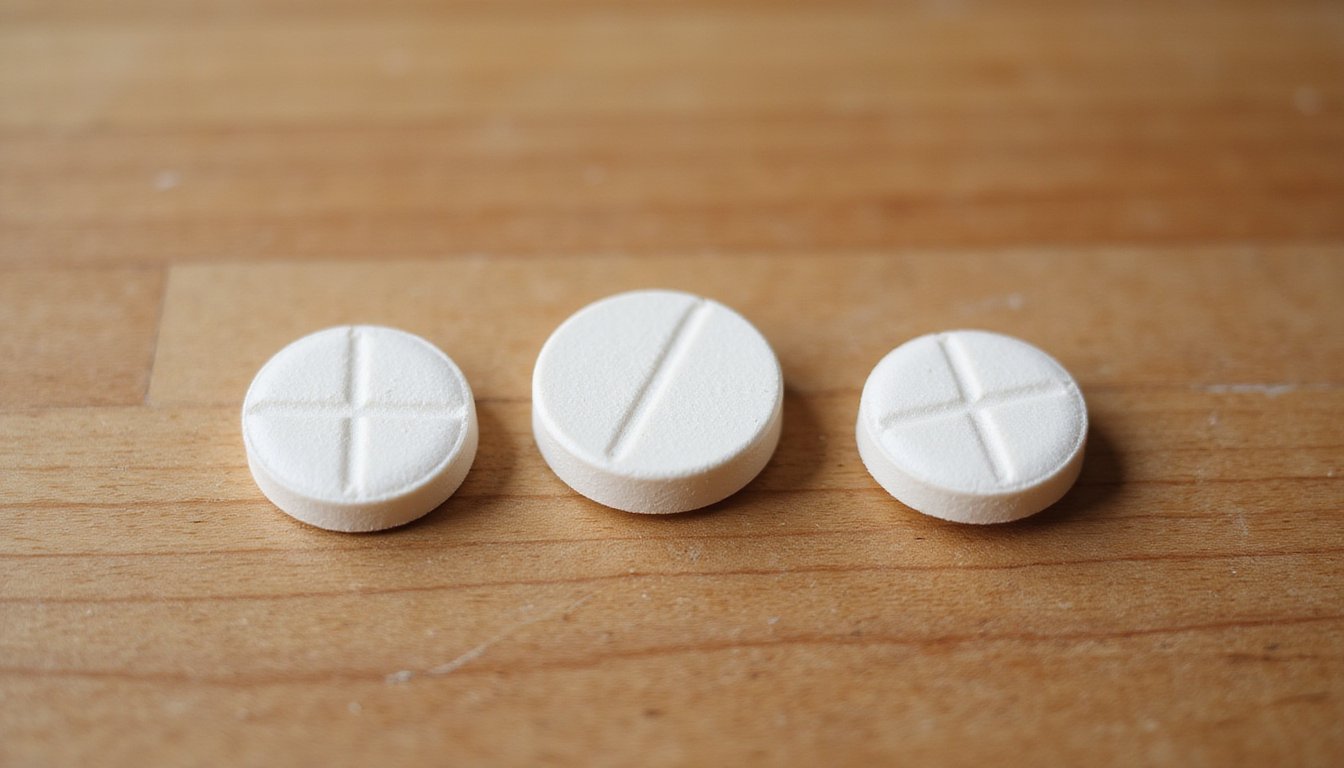
When therapy and support groups form the foundation of your recovery, medication can strengthen that foundation by targeting the biological mechanisms driving alcohol dependence. Three FDA-approved medications that treat alcohol dependence offer distinct pathways to support your sobriety.
| Medication | How It Helps You | Key Benefit |
|---|---|---|
| Naltrexone | Blocks alcohol’s pleasurable effects | Reduces heavy drinking episodes |
| Acamprosate | Stabilizes your brain chemistry | Prevents return to drinking |
| Disulfiram | Creates aversive reaction to alcohol | Reinforces your commitment to abstinence |
You don’t have to rely on willpower alone. Emerging options like gabapentin and topiramate also show promise, especially if you’ve experienced withdrawal symptoms. Your provider can determine which medication best complements your recovery plan.
Complementary Therapies for Alcohol Recovery
Recovery from alcohol dependence doesn’t have to rely solely on conventional treatments, complementary therapies can play a meaningful role in strengthening your path forward. When combined with traditional approaches, these methods address your emotional, physical, and mental well-being holistically.
Complementary therapies can strengthen your recovery by addressing emotional, physical, and mental well-being alongside traditional treatment.
Evidence-based complementary therapies for alcohol recovery include:
- Acupuncture, reduces withdrawal symptoms and has shown half the relapse rate compared to placebo
- Mindfulness-based relapse prevention, integrates meditation with cognitive therapy to reduce cravings
- Yoga, Tai Chi, and Qi Gong, support physical recovery through mindful movement
- Art and creative therapies, provide emotional processing outlets during recovery
- EMDR therapy, addresses underlying trauma that often drives alcohol use
These therapies work best alongside counseling and medication-assisted treatment, creating a personalized recovery plan that supports lasting change.
Begin Your Path to a Healthier Tomorrow
Alcohol addiction can deeply impact your physical and emotional health, but lasting recovery is always within reach. At Pinnacle Detox & Recovery in Pasadena, we offer reliable Alcohol Addiction Treatment designed to guide you safely into a healthier, stronger future. Call (626) 323-8629 today and take the first step toward lasting recovery.
Frequently Asked Questions
How Long Does Alcohol Detoxification Typically Last Before Starting Therapy?
You’ll typically complete alcohol detox within 7, 10 days, though acute withdrawal symptoms usually peak around 48, 72 hours and begin improving after that. Your experience depends on factors like how long and how heavily you’ve been drinking, your overall health, and any previous withdrawal history. It’s important you don’t detox alone, professional supervision helps manage potentially dangerous symptoms like seizures. Once you’re stabilized, you’ll move into therapy for lasting recovery.
Can Alcohol Use Disorder Therapy Be Effective Without Complete Abstinence?
Yes, therapy can be effective without complete abstinence. Research shows that controlled drinking strategies, supported by psychotherapy, produce comparable outcomes to abstinence-based approaches in social functioning and drinking reductions. If you’ve got lower addiction severity, you’re especially likely to benefit from non-abstinent goals. What matters most is reducing harmful patterns and improving your overall well-being. Your therapist can help you determine personalized, achievable recovery goals that work for your specific situation.
What Emergency Withdrawal Symptoms Require Immediate Medical Attention During Recovery?
You should seek immediate medical attention if you experience seizures, hallucinations, severe confusion, or delirium tremens, a potentially fatal condition that typically appears 48-72 hours after your last drink. Watch for rapid heart rate, dangerously elevated blood pressure, high fever, and uncontrollable tremors. These symptoms can escalate unpredictably and become life-threatening without emergency intervention. Don’t wait to see if they’ll pass, getting to an ER quickly can save your life.
How Does Chronic Alcohol Use Affect Brain Neurotransmitter Systems Over Time?
Chronic alcohol use fundamentally reshapes your brain’s neurotransmitter balance over time. It alters your GABA system by changing receptor subunit composition, reducing the calming effects you initially felt. Your glutamate system becomes overactive, increasing excitatory signaling during withdrawal. Dopamine re-uptake changes persist for at least 30 days into abstinence, diminishing your brain’s natural reward responses. Your endocannabinoid system’s also disrupted, with decreased levels affecting mood regulation. Understanding these changes can empower your recovery journey.
Is Couples Therapy Effective for Treating Alcohol Use Disorder in Relationships?
Yes, couples therapy can be highly effective for treating alcohol use disorder within relationships. Research shows that Behavioral Couples Therapy (BCT) increases your abstinence rates and improves relationship functioning better than individual treatment alone. You’ll learn communication skills, problem-solving strategies, and ways to build support for sobriety together. BCT also reduces domestic violence and emotional difficulties in children. You’ll benefit most when you combine couples work with independent substance use treatment.