Narcan (naloxone) won’t reverse a cocaine or alcohol overdose because it only targets opioid receptors. Cocaine affects excitatory pathways, and there’s no direct antidote for it. However, you should still administer Narcan if someone loses consciousness after using cocaine, today’s cocaine supply is frequently laced with fentanyl, and naloxone can counteract that hidden opioid threat. Understanding why fentanyl contamination makes Narcan critical and how emergency teams treat cocaine overdose could help you save a life. Is crack cocaine safer than alcohol is a question often posed in discussions about substance use. Many believe that the societal acceptance of alcohol overshadows its potential dangers, but crack cocaine poses significant risks as well.
How Narcan Works to Reverse an Opioid Overdose
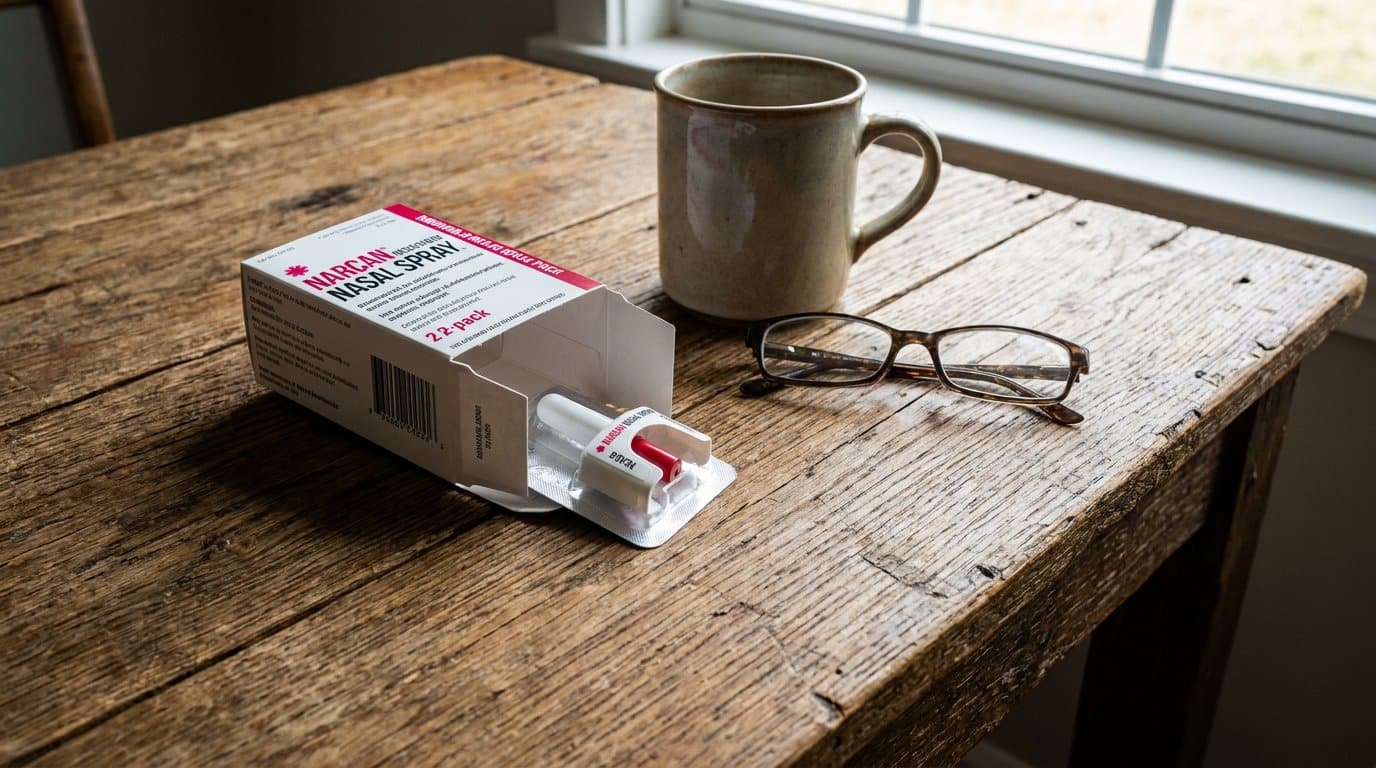
Narcan (naloxone) is an opioid antagonist, a medication that attaches directly to opioid receptors in the brain and displaces opioid molecules already bound to them. This naloxone mechanism reverses life-threatening respiratory depression within 2 to 3 minutes of administration.
When you’re witnessing an opioid overdose, understanding this process matters. Naloxone competes for the same receptor sites occupied by heroin, fentanyl, oxycodone, and morphine. By knocking these drugs off receptors, it restores normal breathing before fatal oxygen deprivation occurs. Recognizing overdose signs such as unconsciousness, very small pupils, and pale skin or purple lips can help you act quickly and administer naloxone before it’s too late.
However, naloxone’s effects last only 30 to 90 minutes. Since many opioids outlast this window, you must call emergency services immediately, re-overdose remains a critical risk, especially with potent synthetic opioids like fentanyl that may require multiple doses.
Does Narcan Work on a Cocaine Overdose?
When someone overdoses on cocaine, can Narcan reverse it? The direct answer is no. If you’re asking does Narcan work on a cocaine overdose, understand that naloxone targets opioid receptors exclusively. Cocaine stimulates excitatory receptors that naloxone can’t bind to, making it therapeutically ineffective against stimulant overdose symptoms.
No medication currently reverses cocaine overdose. Instead, emergency teams use benzodiazepines to manage abnormal heart rhythms, seizures, and dangerously elevated blood pressure. Other interventions include calcium channel blockers for chest pain and alpha-1 blockers to help manage hypertension caused by cocaine toxicity.
However, you shouldn’t hesitate to administer Narcan during an uncertain overdose. Nearly 80% of cocaine-related overdose deaths in Ohio also involve fentanyl. If someone loses consciousness or stops breathing after using cocaine, opioid contamination is likely. Narcan won’t cause harm and could save a life when hidden opioids are involved. Always call 911 immediately.
Why Fentanyl-Laced Cocaine Makes Narcan Critical
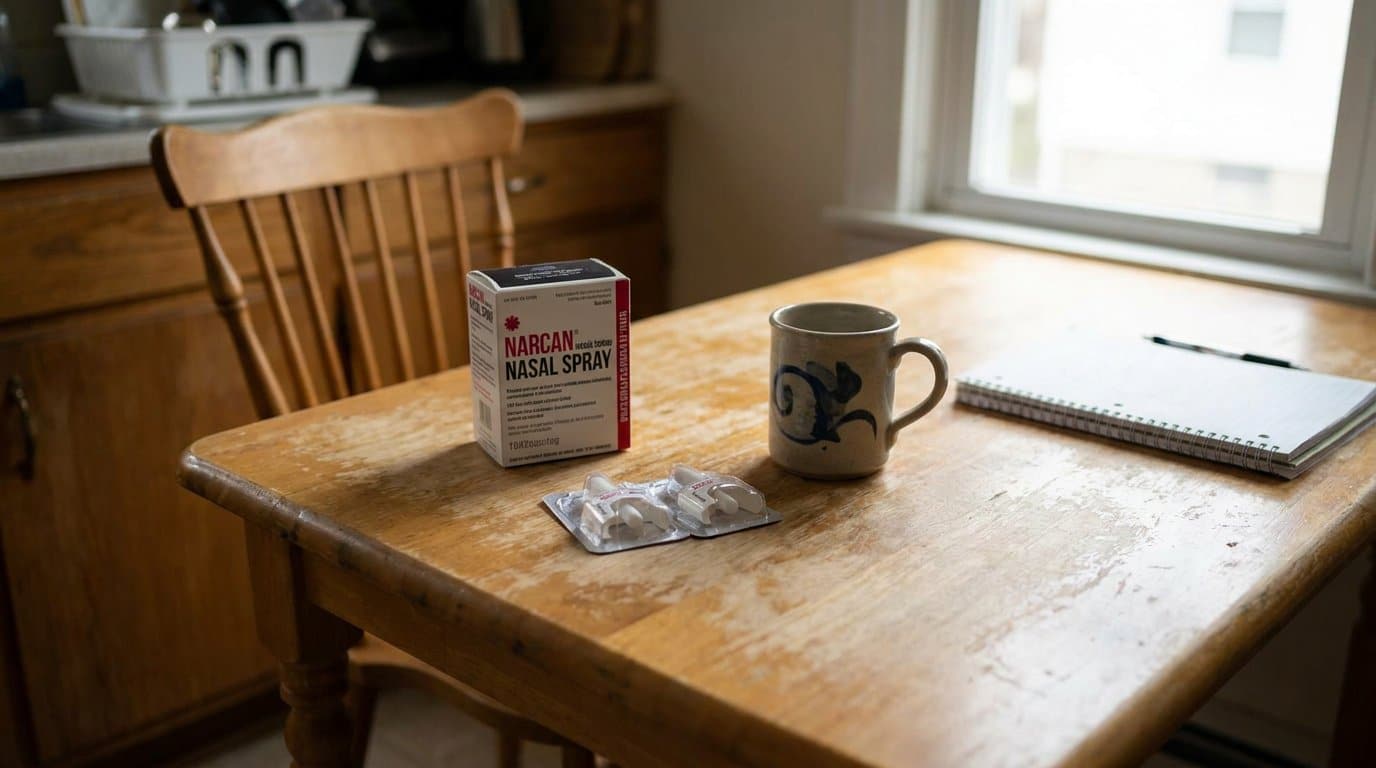
Because fentanyl has infiltrated the cocaine supply at alarming rates, every suspected cocaine overdose now carries potential opioid risk. You can’t visually detect fentanyl in cocaine, and users often have no idea their supply is contaminated. This hidden contamination creates unpredictable potency levels that greatly amplify overdose danger.
Naloxone directly counters fentanyl by competing for opioid receptor binding, restoring normal breathing within minutes. However, fentanyl’s potency may require multiple doses since naloxone‘s effects last only 30 to 90 minutes while fentanyl persists longer in your body. Even two milligrams of fentanyl mixed into cocaine can be enough to cause a fatal overdose.
If you witness a suspected cocaine overdose, call 911 immediately and administer naloxone every two minutes if available. Stay with the person, maintain the recovery position, and monitor for recurrence until paramedics arrive. Prompt action considerably increases survival rates.
When to Give Narcan During a Cocaine Overdose
If someone loses consciousness after using cocaine, act immediately. Loss of consciousness isn’t a typical cocaine response, it signals potential opioid involvement. Among critical naloxone uses, this scenario ranks highest because slowed breathing, unresponsiveness, and pale or blue skin indicate the opioid overdose triad. Cocaine and alcohol sobriety explained can help individuals understand the dangerous interactions between these substances. It is crucial to educate those at risk about the symptoms of overdose and the necessary precautions to take.
Don’t wait for confirmation. Administer naloxone, call 911, and observe for two to three minutes. If breathing doesn’t normalize, give a second dose and begin rescue breathing. Position the person on their side to prevent aspiration.
How to Respond to a Cocaine Overdose

Recognizing a cocaine overdose demands swift, decisive action, every second counts. Call 911 immediately, providing your location, observed symptoms, and any suspected substances. Stay on the line, dispatchers guide your emergency overdose treatment in real time.
If the person’s unresponsive and pulseless, begin CPR. Position a conscious person on their side to protect their airway from vomit aspiration.
While Narcan targets opioids specifically, paramedics may still administer it since cocaine is frequently laced with fentanyl. Don’t assume you know exactly what’s involved.
Keep the environment calm. Apply cool cloths if body temperature spikes. Monitor breathing, consciousness, and seizure activity continuously.
At the hospital, clinicians use benzodiazepines, anticonvulsants, oxygen therapy, and cardiac medications to stabilize heart rhythm and blood pressure, interventions you can’t replicate at home.
Cocaine Overdose Symptoms That Need Emergency Care
If you suspect a cocaine overdose, you need to recognize three critical warning signs that demand immediate emergency care. A dangerously elevated body temperature exceeding 104°F, seizures accompanied by chest pain, and loss of consciousness each indicate life-threatening complications that can rapidly progress to cardiac arrest, stroke, or irreversible brain damage. Because Narcan won’t reverse cocaine’s effects, calling 911 immediately guarantees you get the supportive emergency interventions that can actually save a life.
Elevated Body Temperature Signs
Because cocaine disrupts the body’s thermoregulatory system, dangerous elevations in core body temperature can develop within minutes to hours of excessive use, reaching as high as 45°C (113°F). Since Narcan is not effective for stimulant overdose, recognizing hyperthermia early is critical for initiating appropriate emergency care.
You should watch for these warning signs:
- Dizziness or heat exhaustion progressing rapidly to heat stroke
- Excessive sweating paired with severe dehydration from fluid loss
- Flushed or bluish skin indicating impaired oxygen circulation
- Loss of consciousness or encephalopathy from brain dysfunction
- Rapid heart rate and elevated blood pressure compounding cardiovascular strain
Hyperthermia signals poor prognosis and can trigger rhabdomyolysis, organ failure, and disseminated intravascular coagulation. You must seek immediate medical intervention, early recognition directly correlates with survival.
Seizures And Chest Pain
While Narcan can’t reverse cocaine’s effects, two of the most dangerous symptoms you need to recognize immediately are seizures and chest pain, both signal life-threatening complications that demand emergency intervention. Injected cocaine can trigger seizures instantly, and death may result directly from seizure activity. Chest pain affects 40% of emergency presentations, with myocardial infarction occurring in 31% of those cases. Mixing cocaine and alcohol greatly increases the risk of overdose, as both substances depress the central nervous system. This combination can mask the effects of each drug, leading users to consume more than they normally would.
Since narcan for cocaine overdose won’t address these symptoms, emergency teams focus on targeted interventions. Benzodiazepines relieve chest pain while providing cardiac hemodynamic benefits. Doctors order ECGs, chest X-rays, and CT scans to assess damage, only 32% of patients show normal ECG findings. Aggressive sedation manages hyperactive delirium accompanying seizure risk, and controlling neuropsychiatric symptoms favorably impacts cardiac complications. You shouldn’t delay calling 911.
Loss Of Consciousness
Because polysubstance use is common, paramedics may evaluate narcan use opioid overdose protocols when the cause of unconsciousness is unclear.
- Cocaine-induced vasospasm reduces cerebral blood flow, triggering unconsciousness
- Status epilepticus can cause metabolic shutdown and permanent brain injury
- Every second of delay compounds oxygen deprivation to your heart and brain
- Recovery position prevents airway obstruction in unconscious individuals still breathing
- Emergency departments monitor essential signs continuously and administer sedatives to control seizures
What Doctors Use to Treat a Cocaine Overdose
When you arrive at an emergency department with a cocaine overdose, doctors typically administer benzodiazepines like lorazepam as the first-line treatment to lower your heart rate, reduce dangerous blood pressure spikes, and decrease your risk of heart attack or stroke. If your body temperature climbs to dangerous levels, medical teams apply external cooling measures such as tepid water misting with fan-assisted convection to prevent organ damage. Beyond these targeted interventions, emergency supportive care, including oxygen therapy, IV fluids, and continuous essential sign monitoring, keeps your body stable while the cocaine’s effects diminish.
Benzodiazepines For Heart Rate
Doctors treat cocaine overdose with benzodiazepines as the first-line intervention because these medications reduce the central nervous system’s sympathetic outflow, which directly lowers dangerous cardiovascular effects like rapid heart rate and elevated blood pressure. Unlike Narcan as an overdose reversal medication for opioids, benzodiazepines target GABA receptors to counteract cocaine’s stimulant toxicity.
- Lorazepam decreases heart rate and blood pressure within 60 minutes in cocaine-toxic patients
- Multiple intravenous doses are often required because single doses may not reliably control tachycardia
- Combining benzodiazepines with antipsychotics like olanzapine produces more effective outcomes than monotherapy
- Labetalol addresses persistent hypertension and tachycardia when benzodiazepines alone prove insufficient
- Over-sedation and respiratory depression remain critical risks requiring continuous essential sign monitoring
Body Temperature Reduction
Cocaine-induced hyperthermia can escalate to fatal levels rapidly, making aggressive body temperature reduction a critical priority in emergency treatment. When your core temperature spikes above 104°F, the risk of organ failure, rhabdomyolysis, and death increases considerably.
Emergency teams typically initiate body temperature reduction through external cooling methods, including ice packs applied to your groin, axillae, and neck. Evaporative cooling using misted water and fans may also be employed. In severe cases, clinicians may use cold intravenous fluids or internal cooling devices to lower your temperature quickly.
Benzodiazepines, discussed previously, also support body temperature reduction by decreasing muscle hyperactivity and agitation that generate excess heat. You should understand that Narcan plays no role here, it targets opioid receptors, not the thermoregulatory dysfunction cocaine causes.
Emergency Supportive Care
Because cocaine overdose lacks a direct pharmacological antidote like Narcan provides for opioids, emergency physicians rely entirely on aggressive supportive care to stabilize your body’s critical systems. Understanding what does Narcan treat clarifies why it won’t reverse cocaine’s stimulant effects. Instead, your medical team focuses on controlling dangerous symptoms through targeted interventions.
Emergency supportive care for cocaine overdose typically includes:
- Benzodiazepines to manage seizures, severe agitation, and dangerously elevated blood pressure
- Continuous cardiac monitoring with ECGs to detect dysrhythmias and signs of myocardial ischemia
- IV fluid administration to combat dehydration and support cardiovascular function
- Mechanical ventilation when respiratory compromise requires immediate airway intervention
- Oxygen therapy and nitroglycerin for cocaine-related chest pain suggesting acute coronary syndrome
Your treatment intensity depends directly on symptom severity and organ involvement.
Begin Your Path to a Healthier Tomorrow
Alcohol addiction can deeply impact your physical and emotional health, but lasting recovery is always within reach. At Pinnacle Detox & Recovery in Pasadena, we offer reliable Alcohol Addiction Treatment designed to guide you safely into a healthier, stronger future. Call (626) 323-8629 today and take the first step toward lasting recovery.
Frequently Asked Questions
Can Narcan Be Harmful if Given to Someone Who Only Used Alcohol?
No, Narcan won’t harm you if you’ve only consumed alcohol. Since naloxone specifically targets opioid receptors, it simply has nothing to bind to when opioids aren’t present in your system. You won’t experience adverse reactions, intoxication, or complications. However, you should know that Narcan won’t reverse alcohol overdose either. If you suspect alcohol poisoning, call 911 immediately, you’ll need supportive care like airway management and essential sign monitoring.
Does Narcan Reverse an Overdose Caused by Mixing Cocaine and Alcohol Together?
No, Narcan won’t reverse an overdose from mixing cocaine and alcohol alone, since neither substance acts on opioid receptors. However, you shouldn’t assume opioids aren’t involved, today’s cocaine supply is frequently contaminated with fentanyl, with nearly 80% of cocaine-related overdose deaths in Ohio involving fentanyl. If someone’s unresponsive with slowed breathing, you should administer Narcan immediately, call 911, and provide supportive care while awaiting emergency responders.
How Long Does Narcan Stay Effective in the Body After Administration?
Narcan typically stays effective in your body for 30 to 90 minutes after administration. That’s shorter than most opioids last, which means you’re at risk of returning to overdose once Narcan wears off. You shouldn’t assume you’re safe after one dose. If symptoms return, you’ll need additional doses. Always call 911 immediately, even after administering Narcan, because you’ll require professional monitoring until the opioid fully clears your system.
Is There an FDA-Approved Medication That Specifically Reverses Cocaine Overdose Effects?
No, there’s currently no FDA-approved medication that specifically reverses cocaine overdose effects. Unlike opioid overdoses where you can administer Narcan, cocaine overdoses lack a pharmaceutical reversal agent. If you’re witnessing a cocaine overdose, you should call 911 immediately. Emergency medical teams will provide symptomatic treatment, potentially using benzodiazepines like midazolam or lorazepam to manage seizures and abnormal heart rates while monitoring your essential signs.
Can a Sober Person Experience Any Side Effects From Receiving Narcan Accidentally?
No, you won’t experience harmful side effects if you accidentally receive Narcan while sober. Since naloxone works exclusively by displacing opioids from receptors, it doesn’t activate when no opioids are present in your body. You won’t feel intoxication, sedation, or cognitive changes. That’s precisely why emergency responders confidently administer it even when they’re uncertain about substance involvement. Its established safety profile supports over-the-counter availability for public use.