No, cocaine doesn’t sober you up from alcohol. It floods your brain with dopamine and norepinephrine, creating an artificial sense of alertness that masks alcohol’s sedative effects. Your blood alcohol concentration remains completely unchanged. Worse, cocaine actually slows alcohol metabolism, prolonging your intoxication. When your liver processes both substances together, it produces cocaethylene, a toxic metabolite that increases cardiovascular strain and overdose risk. Understanding exactly how these substances interact reveals why this combination can turn fatal. Crack vs alcohol risk explained highlights the dangers of mixing substances. The combination not only intensifies the effects of both drugs but also increases the likelihood of severe health complications.
Does Cocaine Actually Sober You Up?

How effectively does cocaine counteract alcohol’s impairing effects? The short answer is it doesn’t. When you ask does cocaine actually sober you up, you’re confronting a dangerous misconception. Cocaine stimulates your central nervous system, temporarily masking alcohol’s sedative effects by elevating dopamine and norepinephrine levels. You feel more alert, but your blood alcohol concentration remains unchanged.
Your cognitive function, coordination, and reaction time stay markedly compromised despite this perceived sobriety. No medical mechanism exists by which cocaine reverses alcohol intoxication. Cocaine actually slows alcohol metabolism, prolonging and intensifying intoxication. Once cocaine’s effects wear off within 15 to 30 minutes, alcohol’s full depressant impact resurfaces, often leaving you more impaired than before. The sensation of sobriety is purely subjective. Because cocaine’s effects are short-lived, continued drinking during use can dramatically intensify drunkenness once the stimulant wears off.
Why Cocaine Makes You Feel Sober When You’re Not
When cocaine enters your bloodstream alongside alcohol, it floods your brain’s nucleus accumbens with dopamine and norepinephrine, creating a powerful artificial sense of alertness that directly overpowers alcohol’s depressant effects. This neurochemical surge produces subjective feelings of clarity, sharpness, and restored coordination, none of which reflect your actual impairment level.
Your limbic system memorizes this cocaine-pleasure association, overriding natural feedback mechanisms that would normally signal intoxication. You’ll perceive improved speech and reflexes while external observers note continued slurring and impaired coordination. The cocaine alcohol myth that stimulants restore sobriety persists because cocaethylene, a third substance formed when both drugs combine, intensifies euphoria beyond cocaine alone. This compounded masking effect convinces you you’re sober while blood alcohol concentration remains dangerously unchanged. Cocaethylene is highly toxic to the liver, brain, and heart, making this false sense of sobriety not just misleading but potentially life-threatening.
Your Blood Alcohol Level Stays the Same on Cocaine
Despite cocaine’s ability to make you feel alert and clearheaded, your blood alcohol concentration doesn’t drop by a single milligram per deciliter. Your blood alcohol level stays the same on cocaine because stimulants don’t accelerate ethanol metabolism. In fact, cocaine slows alcohol processing in the liver, prolonging its presence in your bloodstream.
So does cocaine cancel alcohol? No. Cocaine actually extends alcohol’s detectable window while cocaethylene accumulates as an additional toxic byproduct. Your alcohol metabolites clear more slowly, meaning intoxication persists longer than with alcohol alone. This cocaethylene is 30% more toxic than cocaine alone, compounding the danger to your cardiovascular system and organs.
Blood alcohol measurements confirm identical concentrations whether cocaine is present or not. The only variable that changes is your subjective perception. Your liver processes alcohol at the same fixed rate regardless of stimulant intake.
How Cocaine Slows Down Alcohol Metabolism
Because cocaine and alcohol compete for the same hepatic enzymes, your liver can’t process either substance at its normal rate. Hepatic carboxylesterase activity becomes distributed across multiple metabolic demands, reducing overall clearance capacity by approximately 20%. This enzymatic saturation means alcohol remains in your bloodstream considerably longer than it would otherwise.
Cocaine’s presence redirects your liver’s standard hydrolysis process, interrupting efficient alcohol breakdown at the hepatic level. Your kidneys also experience reduced filtration capacity, retaining toxic metabolites longer in circulation. The mixing stimulants and alcohol effects compound further as cocaine’s own half-life doubles under these conditions. The dangers of mixing cocaine and alcohol can lead to severe long-term health consequences. Users often underestimate how these substances interact, resulting in unpredictable effects on both physical and mental health.
This prolonged metabolite circulation intensifies cardiovascular and neurological stress, elevating your risk for alcohol poisoning despite feeling less impaired.
What Is Cocaethylene and Why Is It So Dangerous?
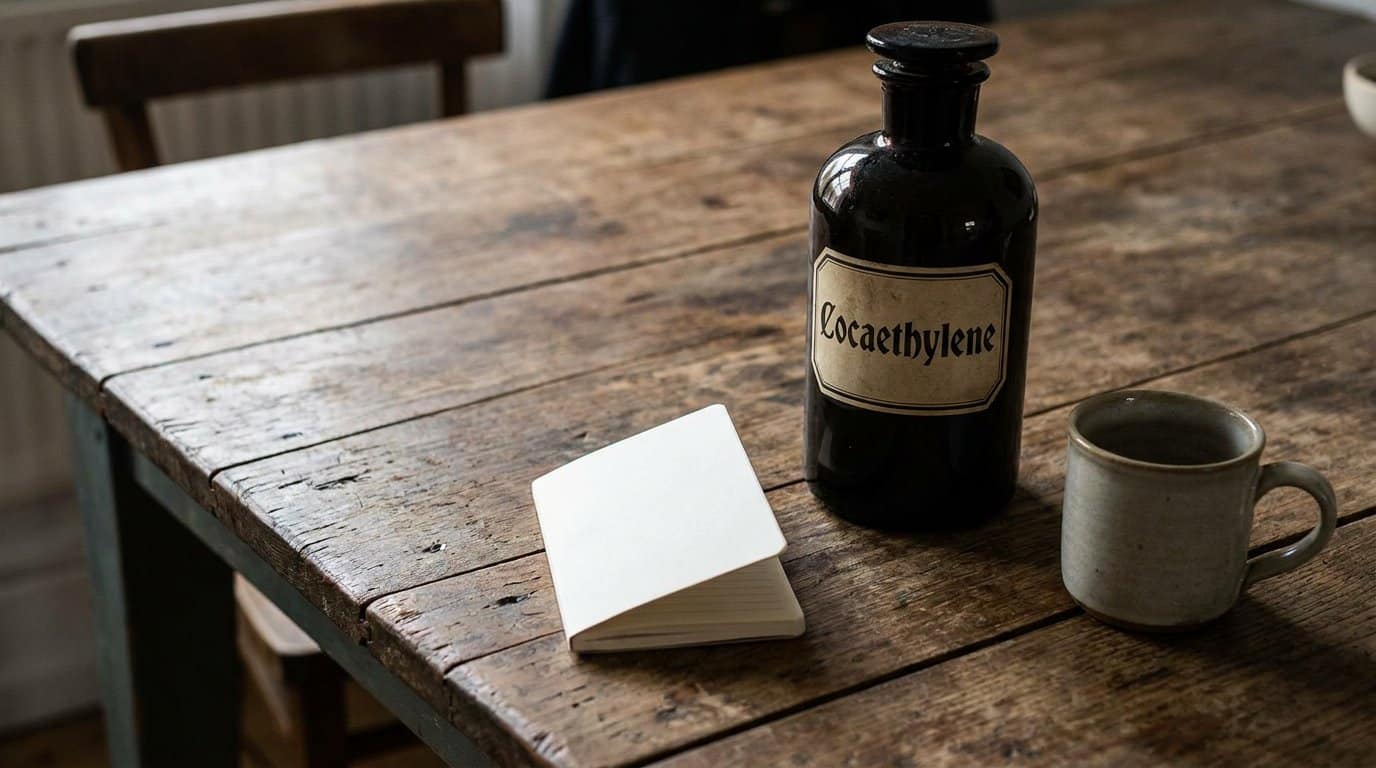
Unlike any other drug interaction in pharmacology, the simultaneous presence of cocaine and ethanol in your liver triggers a unique metabolic reaction called transesterification. Instead of breaking cocaine into inactive metabolites, your liver produces cocaethylene, the only known psychoactive substance formed entirely within the human body during metabolism.
| Property | Cocaine | Cocaethylene |
|---|---|---|
| Half-life | ~1 hour | ~2 hours |
| Dopamine transporter affinity | High | Higher |
| Cardiovascular toxicity | Significant | More severe |
| Duration of effects | Shorter | 3-5x longer |
| Overdose risk | Elevated | Dramatically increased |
Cocaethylene blocks dopamine reuptake more effectively than cocaine, intensifying euphoria while compounding cardiovascular and hepatic strain. A 2019 coroner investigation linked the alcohol-cocaine combination to a 16-fold increase in suicide risk, underscoring cocaethylene’s unpredictable danger profile.
Why the Crash Makes You Feel Even Drunker
When cocaine’s stimulant effects wear off, your brain enters a dopamine deficit state that amplifies alcohol’s depressant impact far beyond what you’d experience from drinking alone. Both substances trigger dopamine release followed by sharp depletion, creating a synergistic central nervous system depression during the crash.
During active use, stimulant masking alcohol effects prevents you from recognizing true intoxication levels. You consume more of both substances without realizing actual quantities ingested. Once cocaine’s alertness dissipates, you experience the full impact of excessive consumption simultaneously.
This produces overwhelming psychomotor retardation, profound exhaustion, and severe emotional dysregulation. The rebound fatigue from cocaine suppression combines with alcohol’s sedation, leaving you physically incapacitated. You don’t just feel drunk, you feel disproportionately impaired because dual dopamine depletion intensifies every depressant symptom beyond what either substance produces independently.
How Long Cocaine and Alcohol Actually Last
Though cocaine’s subjective effects fade within 30 to 60 minutes, its metabolites persist in your body far longer, and alcohol considerably extends that timeline. Cocaine’s half-life ranges from 0.7 to 1.5 hours, but benzoylecgonine remains detectable in urine for up to two weeks in heavy users.
When you combine both substances, your liver produces cocaethylene, a metabolite with a half-life three to five times longer than cocaine’s. Alcohol slows kidney elimination of cocaine byproducts, raising peak cocaine blood concentrations by approximately 20%. This extended metabolite presence increases cardiovascular and hepatic strain well beyond the perceived high.
Understanding these timelines reinforces why the answer to does cocaine sober you up from alcohol is definitively no, it prolongs toxic exposure while masking impairment you can’t accurately self-assess.
Why Mixing Cocaine and Alcohol Can Be Fatal
The prolonged toxic exposure described above doesn’t just extend discomfort, it can kill you. Your liver produces cocaethylene, a metabolite up to 30% more toxic than cocaine alone. This compound intensifies cardiovascular strain and accumulates in your system for days, triggering delayed overdose events. The impaired judgment combination creates drives dangerous decision-making, increasing fatal accident risk. Is narcan used to treat cocaine or alcohol overdose. While narcan is primarily designed to reverse the effects of opioid overdoses, its role in managing other types of overdoses is still under research.
| Risk Factor | Clinical Consequence |
|---|---|
| Cocaethylene production | Cardiac sudden death risk increases 18x |
| Masked intoxication | Overconsumption of both substances |
| Cardiovascular constriction | Heart attack, stroke, brain hemorrhage |
| Liver toxicity | Organ failure requiring ICU admission |
| Behavioral disinhibition | Fatal accidents, violence, self-harm |
Cocaethylene’s cardiotoxic effects make this combination uniquely lethal.
Signs You’re More Intoxicated Than You Think
When cocaine masks alcohol’s sedating effects, you may feel alert and coordinated while your blood alcohol concentration continues to rise unchecked. Hidden impairment indicators, such as slurred speech, poor peripheral vision, memory gaps, and impaired judgment, persist even when stimulant effects create a misleading sense of sobriety. Recognizing these signs is critical because your perceived level of intoxication doesn’t reflect the actual cognitive, motor, and sensory deficits your body is experiencing.
Hidden Impairment Indicators
Because cocaine stimulates alertness and energy, it creates a dangerous illusion, you feel functional while your blood alcohol concentration continues to climb. Below 0.15% BAC, reliable visible signs of intoxication aren’t consistently present, meaning your perceived sobriety cocaine produces is doubly deceptive.
Your cognitive function deteriorates before motor skills do. Judgment impairment, reduced inhibition, and memory deficits emerge during moderate intoxication (0.06%, 0.15% BAC) while you still appear relatively normal. You’ll lose cautiousness and engage in risky activities before you stumble or slur words.
Tolerance compounds this problem. If you’re a regular drinker, compensatory behaviors mask behavioral cues without reducing actual impairment. Your reaction time and coordination remain equally compromised regardless of how sober you look. Pain threshold elevation further obscures injury awareness, creating conditions where serious harm goes unrecognized.
Misleading Sobriety Cues
Although cocaine may convince you that you’ve regained control, specific physiological and cognitive signs reveal the truth, your body remains deeply impaired. Cocaine elevates dopamine and norepinephrine, creating alertness that masks alcohol’s depressant effects. These misleading sobriety cues distort your self-assessment, making you feel functional while coordination, reaction time, and judgment remain compromised.
You may notice you’re speaking clearly yet struggle with fine motor tasks. You might feel mentally sharp but fail to track conversations accurately. Your perceived sobriety doesn’t reflect your blood alcohol concentration, which continues rising regardless of stimulant intake. This disconnect drives increased alcohol consumption, elevating overdose risk. If you experience confusion, poor coordination, or difficulty gauging your own intoxication, recognize these as indicators that impairment persists beneath the stimulant’s superficial effects.
Only Time Actually Sobers You Up
Despite widespread belief in quick fixes, only time allows your body to metabolize cocaine and alcohol, no shortcut, remedy, or stimulant can accelerate this process. The central nervous system interaction between these substances actually slows alcohol metabolism, extending impairment beyond what you’d experience from alcohol alone. Cocaethylene’s longer half-life further prolongs this timeline.
| Myth | Reality |
|---|---|
| Coffee sobers you up | Creates false alertness without lowering blood alcohol levels |
| Cocaine counteracts alcohol | Masks sedation while impairment remains unchanged |
| Cold showers accelerate recovery | Worsen comedown symptoms without metabolic benefit |
| Detox drinks speed clearance | No scientific evidence supports accelerated sobering |
Your liver and kidneys require adequate hydration, rest, and time, not intervention, to fully clear these substances.
Call Today and Break Free From Addiction
Combining cocaine and alcohol can create serious health risks, but with the right team beside you, true healing becomes possible. At Pinnacle Detox & Recovery in Pasadena, our trusted Addiction Treatment Services are here to support you in moving safely toward a stronger, brighter future. Call (626) 323-8629 today and take the first step toward lasting recovery.
Frequently Asked Questions
Can Drinking Coffee or Water Speed up Sobriety After Using Both Substances?
No, drinking coffee or water won’t speed up your sobriety after using cocaine and alcohol together. Coffee simply adds another stimulant, worsening anxiety and restlessness during your comedown without changing how fast your liver processes either substance. Water supports hydration but doesn’t accelerate elimination. Your body metabolizes these substances at its own pace, there’s no shortcut. Time remains the only reliable factor that allows complete processing and genuine sobriety.
Does Cocaine Affect How Accurately a Breathalyzer Reads Your Alcohol Level?
Cocaine doesn’t affect your breathalyzer reading. Standard breathalyzers use fuel-cell technology specifically engineered to detect ethyl alcohol in your breath, and they can’t identify cocaine or its metabolites. Your blood alcohol concentration registers independently of cocaine’s presence in your system. However, cocaine’s masking effect may lead you to underestimate your actual intoxication level, meaning you’re likely more impaired than you feel when you encounter testing.
Is Cocaethylene Produced Every Time Someone Combines Cocaine and Alcohol Together?
Yes, your liver produces cocaethylene every time cocaine and alcohol are simultaneously present in your bloodstream. The enzyme carboxylesterase automatically catalyzes this reaction without exception. There’s no physiological variation that prevents it, it occurs consistently regardless of your tolerance, dosage, or how you’ve consumed either substance. This makes cocaethylene the only known psychoactive compound your body creates entirely through internal metabolism of two co-ingested substances.
Can Mixing Cocaine and Alcohol Cause Long-Term Permanent Brain Damage?
Yes, mixing cocaine and alcohol can cause long-term permanent brain damage. The combination produces cocaethylene, which increases neurotoxicity and cardiovascular stress on your brain. You’re exposing yourself to heightened risks of stroke, oxygen deprivation, and chronic impairment to cognitive function, memory, and decision-making. While current research continues to expand, existing evidence confirms that repeated co-use damages brain structure and function in ways that may not fully reverse.
Are Certain People Genetically More at Risk From Combining Cocaine and Alcohol?
Yes, you’re likely at greater risk if you carry genetic variations affecting how your body metabolizes these substances. Differences in cytochrome P450 enzymes and carboxylesterase activity can influence how efficiently you process cocaine, alcohol, and cocaethylene. If your metabolism clears these substances more slowly, you’ll experience prolonged cardiovascular stress and toxicity. While research in this area is still developing, your individual genetic makeup does play a meaningful role in determining your vulnerability.