Most oncologists recommend you avoid or strictly limit alcohol during radiation therapy. Alcohol worsens common side effects like fatigue, dehydration, and tissue irritation at treatment sites. It also suppresses your immune function, slows healing, and can interfere with medications you’re taking for pain or nausea. Research shows alcohol consumption during radiotherapy is linked to a doubled risk of cancer recurrence (HR: 2.05). Understanding how alcohol impacts each stage of your treatment can help you make safer, more informed choices.
Can You Drink Alcohol During Radiation Therapy?
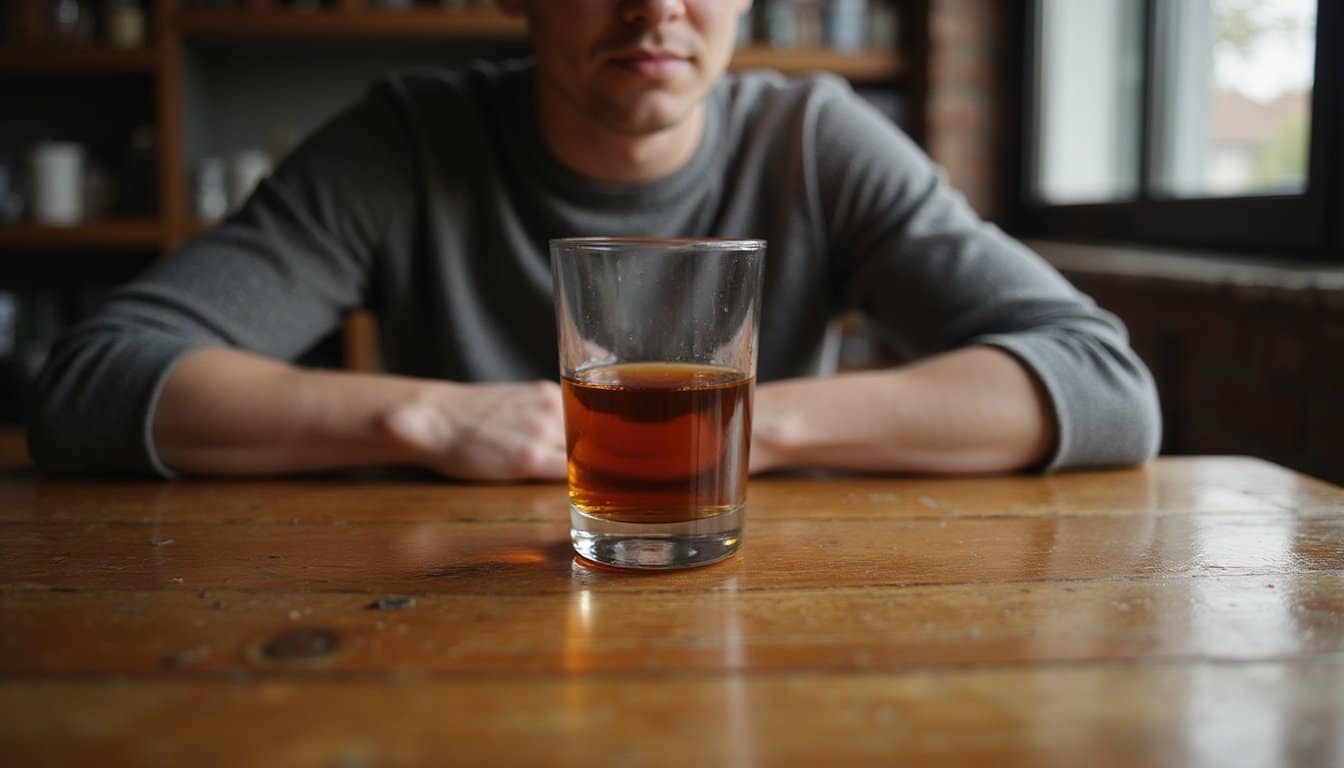
Whether you can safely drink alcohol during radiation therapy depends on several factors, including the type and location of your cancer, the intensity of treatment, and your overall health. Medical consensus generally recommends limiting or avoiding alcohol to optimize outcomes.
Research shows that alcohol effects radiation therapy results markedly. A meta-analysis found that drinking during radiotherapy was associated with worse disease-free survival (pooled HR: 2.05; 95% CI: 1.09, 3.89), regardless of concomitant chemotherapy. Your treatment tolerance alcohol capacity decreases as radiation weakens immune function and impairs tissue healing. Additionally, alcohol can lower energy levels and disrupt sleep patterns, further compromising your body’s ability to recover during treatment.
If you’re wondering can you drink alcohol during radiation therapy, discuss this directly with your oncologist. They’ll provide personalized guidance based on your specific treatment plan and recovery needs.
Why Most Oncologists Advise Against Alcohol During Radiation
When you drink alcohol during radiation therapy, you’re likely to experience more severe side effects, including heightened fatigue, increased tissue irritation at the treatment site, and worsened dehydration that can compound the discomfort radiation already causes. Alcohol also suppresses your immune function and impairs your body’s ability to repair radiation-damaged tissues, which can slow healing and increase your risk of infection during a time when your body needs every advantage. Research supports these concerns, a meta-analysis of 38 studies found that alcohol consumption during radiotherapy was associated with 2.05 times worse disease-free survival outcomes, giving your oncologist strong clinical reasons to recommend avoiding it. Additionally, alcohol can worsen mouth or throat soreness caused by radiation, making it even harder to eat and drink adequately during treatment.
Worsened Treatment Side Effects
The immune system impact alcohol produces is particularly concerning during active treatment. Alcohol limits nutrient absorption, strains liver function, and reduces tissue repair capacity. Research shows alcohol consumption during radiotherapy correlates with worse disease-free survival outcomes, with a pooled hazard ratio of 2.05. A registry-based study of breast cancer survivors found that ever-smokers who received radiotherapy had a significantly higher risk of second primary cancer compared to never-smokers, highlighting how lifestyle factors can compound treatment-related risks.
Impaired Healing and Immunity
Because radiation therapy already strains your immune system by targeting rapidly dividing cells, including some healthy ones, adding alcohol to the equation compounds the damage. Alcohol further suppresses immunity by reducing white blood cell production, leaving you more vulnerable to infections during treatment.
This immune system suppression also undermines your body’s capacity for tissue repair. Alcohol interferes with healthy blood cell production and places additional strain on bone marrow function, slowing recovery from radiation-induced cellular damage. Research shows that alcohol consumption causes genomic alterations that can contribute to treatment resistance, directly compromising radiotherapy’s effectiveness.
Your liver, already processing radiation byproducts, faces increased metabolic burden when filtering alcohol simultaneously. This combination limits nutrient absorption essential for healing, extends recovery time, and increases your risk of treatment-related complications.
How Alcohol Worsens Radiation Side Effects Like Fatigue and Nausea

Radiation therapy already places considerable metabolic demands on your body, and adding alcohol to the equation compounds several side effects, most importantly fatigue and nausea. Alcohol strains your liver, which is already working to process treatment byproducts and support immune recovery. This creates prolonged, compounded exhaustion that’s difficult to manage. Studies indicate alcohol consumption may negatively impact disease-free survival during radiotherapy.
Dehydration is another critical concern. Alcohol increases fluid loss through urination, directly counteracting medical guidance to stay well-hydrated during treatment. This dehydration worsens nausea and intensifies fatigue perception, particularly if you’re receiving radiation to the head, neck, or pelvic regions. Combined with immune system suppression from both radiation and alcohol, your body’s capacity for recovery diminishes considerably. Even moderate consumption can amplify these interconnected side effects.
What Alcohol Does to Mouth Sores and Dry Mouth During Radiation
Beyond systemic effects like fatigue and nausea, alcohol targets a particularly vulnerable area during head and neck radiation: your mouth. Radiation damages the epithelial cells lining your oral cavity, and alcohol directly irritates these compromised membranes. This combination intensifies mouth sores, increasing their severity and pain while delaying tissue repair.
When considering alcohol safety during radiation, understand that ethanol also worsens dry mouth complications markedly. Radiation reduces saliva production, and alcohol accelerates dehydration through increased fluid loss. This further depletes the moisture your oral tissues need for protection and healing.
These compounding effects create conditions where mouth sores become prone to infection, swallowing grows more difficult, and recovery stalls. If you’re receiving head or neck radiation, avoiding alcohol helps preserve your mouth’s ability to heal effectively.
Does Alcohol During Radiation Increase Cancer Recurrence Risk?
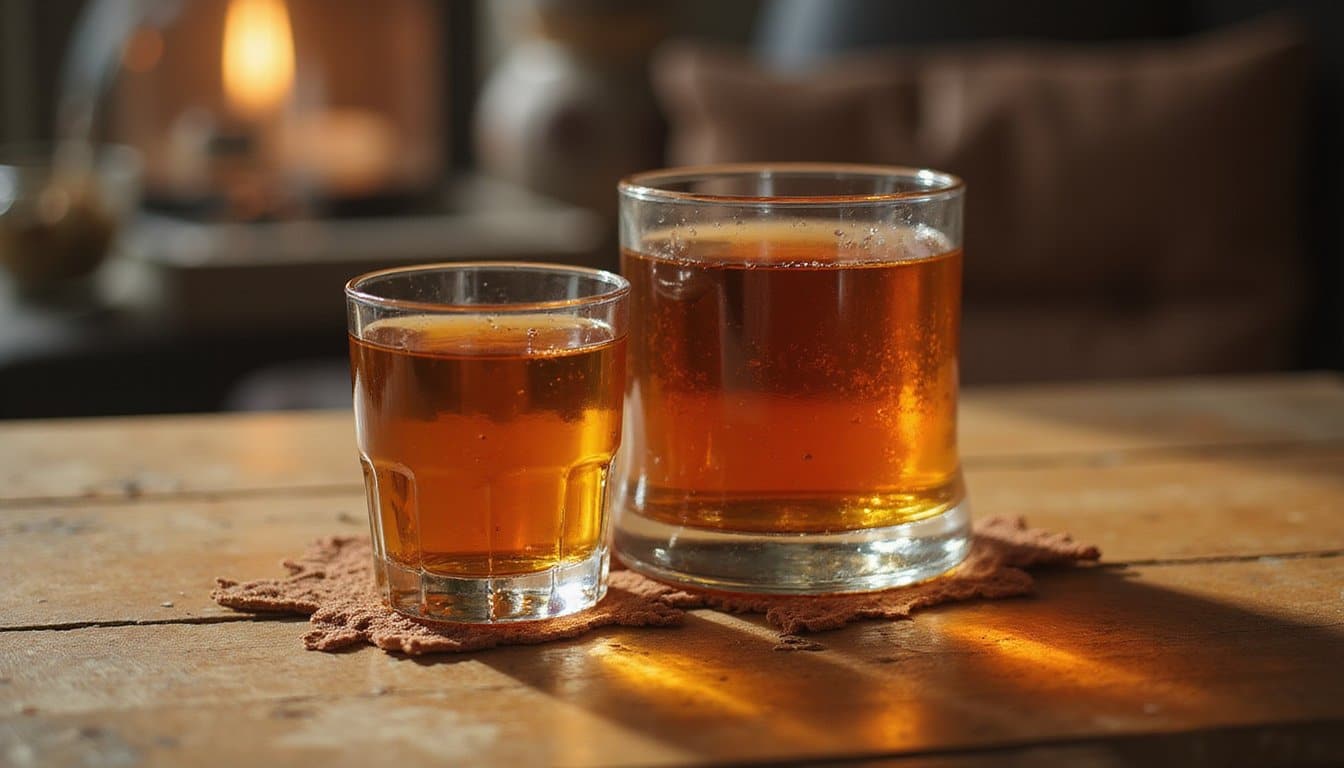
How greatly does alcohol affect your chances of staying cancer-free after radiation? A systematic review of 38 studies found a pooled hazard ratio of 2.05 for worse disease-free survival among patients who consumed alcohol during radiotherapy. This means your recurrence risk roughly doubles compared to abstaining.
When considering can you drink during cancer treatment, understand that dose matters. Heavy drinking carries greater recurrence and death risk than moderate consumption. The American Society of Clinical Oncology identifies alcohol as a definite cancer risk factor, reinforcing strict oncology treatment guidelines alcohol recommendations.
Cancer treatment alcohol safety concerns extend to specific cancers. Alcohol raises estrogen levels, potentially increasing breast cancer recurrence, while head and neck cancer patients face heightened osteoradionecrosis risk. Discuss your consumption honestly with your oncologist.
How Alcohol Strains Your Liver and Immune System During Radiation
When you drink alcohol during radiation therapy, your liver faces the dual burden of processing ethanol while managing radiation-induced oxidative stress, which can trigger hepatic inflammation and reduce your body’s ability to break down medications efficiently. This metabolic strain compounds immune suppression by inhibiting white blood cell production and reducing T-cell activity, leaving you more vulnerable to infections at a time when your defenses are already compromised. Understanding how alcohol weakens both your liver function and immune response can help you make informed decisions that protect your body’s ability to heal and respond to treatment.
Liver Under Double Stress
Although your liver is remarkably resilient, it can’t efficiently process alcohol and manage the metabolic demands of radiation therapy at the same time. When you drink, your liver faces dual processing burdens that compromise its detoxification capacity. Understanding whether is alcohol safe during radiation requires recognizing this hepatic strain.
Alcohol creates compounding liver stress through four key mechanisms:
- Dual metabolic demand increases hepatic workload when processing both alcohol and treatment byproducts simultaneously.
- Oxidative stress amplification from ethanol metabolism compounds radiation-induced cellular injury in hepatocytes.
- Inflammatory response from alcohol processing impairs your liver’s ability to break down therapeutic agents effectively.
- Nutritional deterioration reduces your liver’s nutrient metabolism capacity.
Among critical radiation therapy lifestyle restrictions, limiting alcohol intake directly protects hepatic function during treatment.
Weakened Immune Defense
Your liver isn’t the only system under siege, alcohol also dismantles the immune defenses you need most during radiation therapy. Alcohol suppresses T-cell activity, the very cells responsible for identifying and destroying cancer cells. Since radiation already compromises your immune function, adding alcohol creates a compounded immunosuppressive effect that leaves you highly vulnerable to infections.
Alcohol also confuses your immune system, triggering inflammatory responses that attack healthy tissue. This misidentification worsens radiation-induced tissue damage and delays recovery. Both acute and chronic alcohol exposure inhibit your body’s tumor surveillance mechanisms, reducing its ability to detect and eliminate remaining cancer cells.
Additionally, alcohol deteriorates your nutritional status, impairing white blood cell production. These cumulative effects can interrupt treatment schedules and contribute to disease progression when your body can least afford setbacks.
Impaired Blood Cell Production
Beyond immune suppression, alcohol directly attacks your bone marrow, the factory responsible for producing every blood cell your body needs to survive radiation therapy. When you drink during treatment, you compound radiation’s marrow-suppressive effects, greatly reducing blood cell production capacity.
This dual assault creates measurable clinical consequences:
- Decreased red blood cells, increasing your anemia risk and worsening treatment-related fatigue
- Reduced white blood cells, impairing your body’s defense against infections during vulnerable treatment periods
- Lower platelet counts, elevating your risk of bleeding complications throughout your radiation course
- Prolonged recovery time, extending the period your marrow needs to restore normal hematopoietic function
Ethanol’s immunosuppressive effects specifically reduce T-cell activity essential for hematopoietic recovery, leaving you more susceptible to treatment-related infections that can delay or interrupt your radiation schedule.
Alcohol Risks for Head, Neck, and Esophageal Cancer Patients
Because radiation to the head, neck, and esophagus directly damages the delicate mucous membranes lining these areas, alcohol consumption during treatment creates a compounding effect that markedly worsens tissue irritation and delays healing. Alcohol irritates these compromised membranes, intensifying mouth sores, dry mouth, throat inflammation, and difficulty swallowing.
Your risk of osteoradionecrosis increases considerably with high alcohol consumption during head and neck radiotherapy. Research indicates that drinking during and after treatment can decrease survival rates and elevate recurrence risk in head and neck cancer patients. Hazardous alcohol use has also been associated with secondary cancers in this population.
If you’re receiving radiation to these areas, you should know that continued alcohol intake correlates with lower quality of life scores and poorer long-term treatment outcomes.
Why Alcohol and Pain Medications Don’t Mix During Radiation
When you combine alcohol with opioid pain medications prescribed during radiation therapy, you’re stacking two central nervous system depressants that create dangerously amplified sedation and respiratory depression. Your liver already works harder to process medications alongside the physiological demands of radiation treatment, and adding alcohol strains hepatic function further, increasing the risk of drug accumulation and toxicity. Because no safe threshold exists for alcohol consumption while taking opioids, you should discuss all substance use with your treatment team to protect both your safety and your pain management outcomes.
Dangerous Sedative Effect Risks
Radiation therapy often requires pain medications to manage treatment-related discomfort, yet combining these drugs with alcohol creates a dangerous sedative effect that can threaten your life. Both substances depress your central nervous system through different pathways, producing a synergistic effect that amplifies risks beyond what either causes alone.
When you mix alcohol with pain medications during radiation treatment, you face these critical dangers:
- Profound respiratory depression, opioids slow your breathing, and alcohol intensifies this effect to potentially fatal levels.
- Severe motor impairment, compounded sedation increases your risk of falls and injuries.
- Loss of consciousness, combinations can produce comatose states requiring emergency intervention.
- Impaired dosage judgment, cognitive disruption prevents you from accurately evaluating how much medication you’ve taken.
Opioid Interaction Safety Concerns
Although your oncologist may prescribe opioids like morphine, oxycodone, hydrocodone, or fentanyl to manage radiation-related pain, adding alcohol to the equation creates a potentially lethal combination. Both substances are central nervous system depressants, and their combined effects aren’t merely additive, they’re synergistic and unpredictable. This compounding can slow your breathing to dangerous levels, even at doses individually considered safe.
Data from 2017 indicates roughly 1 in 7 opioid-related deaths involved alcohol consumption within hours of opioid use. During radiation therapy, you’re already managing fatigue and compromised immunity. Alcohol intensifies sedation, impairs motor control, and increases your risk of anoxic brain injury from oxygen deprivation. You should discuss all alcohol use openly with your treatment team to prevent life-threatening respiratory depression.
When Is It Safe to Drink Alcohol After Radiation Ends?
Once your radiation therapy ends, your body still needs time to recover before you can safely reintroduce alcohol. There’s no universal timeline, as recovery depends on several individual factors. You should consult your oncologist before consuming any alcohol post-treatment.
Key considerations for safely reintroducing alcohol include:
- Treatment location, organs like the liver require longer recovery periods before processing alcohol safely.
- Severity of side effects, persistent mucosal irritation or tissue damage must resolve first.
- Overall recovery status, your immune function and hydration levels should stabilize.
- Cancer recurrence risk, alcohol consumption may influence long-term outcomes, making ongoing moderation advisable.
Medical guidance generally recommends limiting alcohol before, during, and after cancer treatment. Don’t reintroduce alcohol without your provider’s explicit approval.
What to Ask Your Oncologist About Alcohol During Radiation
How effectively your body handles alcohol during radiation depends on factors only your oncologist can fully assess, making an informed conversation with your care team essential before you consider drinking.
Ask your oncologist these specific questions:
- Does my treatment area carry heightened alcohol risks? Head and neck, esophageal, and pelvic cancers have distinct alcohol considerations based on tissue sensitivity.
- Will alcohol interact with my current medications? Disclose all prescriptions, including opioid pain management, to evaluate potential interactions.
- How’s my liver function handling treatment demands? Your liver’s processing capacity may already be stressed from cancer therapy.
- What does research show for my cancer type? Studies indicate worse disease-free survival with alcohol use during radiotherapy, with a pooled hazard ratio of 2.05 for locoregional recurrence.
Begin Your Path to a Healthier Tomorrow
Alcohol addiction can deeply impact your physical and emotional health, but lasting recovery is always within reach. At Pinnacle Detox & Recovery in Pasadena, we offer reliable Alcohol Addiction Treatment designed to guide you safely into a healthier, stronger future. Call (626) 323-8629 today and take the first step toward lasting recovery.
Frequently Asked Questions
Can One Glass of Wine Weekly Affect Radiation Therapy Treatment Effectiveness?
Current research hasn’t specifically measured how one glass of wine weekly affects your radiation therapy’s effectiveness. However, studies show alcohol during radiotherapy correlates with worse disease-free survival. Even minimal consumption contributes to cumulative liver stress, immunosuppression, and dehydration, factors that can undermine your treatment outcomes. While some providers consider small amounts acceptable, there’s no established “safe” threshold. You should discuss your specific situation with your oncologist to optimize your treatment results.
Does Alcohol-Free Beer Still Pose Risks During Radiation Therapy?
Alcohol-free beer generally poses fewer risks than alcoholic beer during radiation therapy, but you shouldn’t assume it’s completely risk-free. It may still contain trace amounts of alcohol (up to 0.5% ABV), and its carbonation and other compounds could irritate sensitive tissues, particularly if you’re receiving head and neck radiation. You should discuss any beverage choices with your oncologist, as they’ll provide personalized guidance based on your specific treatment plan.
How Long After Each Radiation Session Should You Avoid Drinking Alcohol?
You should avoid alcohol for at least 24 to 48 hours after each radiation session, as your body needs this time to begin healing irradiated tissues. During this window, you’re most vulnerable to dehydration, fatigue, and immune suppression, alcohol worsens all three. Research shows alcohol during radiotherapy considerably reduces disease-free survival (HR: 2.05), so prioritizing recovery between sessions matters. Discuss your specific timeline with your radiation oncologist for personalized guidance.
Can Alcohol Consumption Before Starting Radiation Therapy Affect Future Treatment Outcomes?
Yes, your alcohol consumption before starting radiation therapy can affect your treatment outcomes. Research shows alcohol may make tumors more biologically aggressive and radioresistant, potentially reducing radiation’s effectiveness. It can also compromise your nutritional status, weaken your immune function, and impair your body’s healing capacity during treatment. However, some studies suggest moderate wine consumption may reduce certain side effects. You should discuss your pre-treatment drinking history with your oncologist for personalized guidance.
Does the Type of Alcohol Matter When Undergoing Pelvic Radiation Treatment?
No, the type of alcohol doesn’t matter when you’re undergoing pelvic radiation treatment. Current clinical evidence doesn’t differentiate risk between beer, wine, or spirits during pelvic radiotherapy. All alcohol increases fluid loss through urination, worsening dehydration that’s already a significant concern with pelvic radiation. It also irritates your bladder and gastrointestinal tract, tissues directly affected by treatment. You should consult your healthcare provider before consuming any alcohol during pelvic radiotherapy.