Long-term fentanyl use systematically damages your heart, lungs, gut, and endocrine system while suppressing your immune response. You’ll likely experience chronic constipation, hormonal imbalances, and cardiovascular complications like high blood pressure and cardiomyopathy. Your brain’s dopamine signaling and natural endorphin production decline, impairing memory, decision-making, and emotional regulation. Tolerance buildup also accelerates your overdose risk markedly. However, supervised recovery can restore many of these functions, and understanding each area of damage is the first step.
How Fentanyl Damages Your Heart and Lungs Over Time

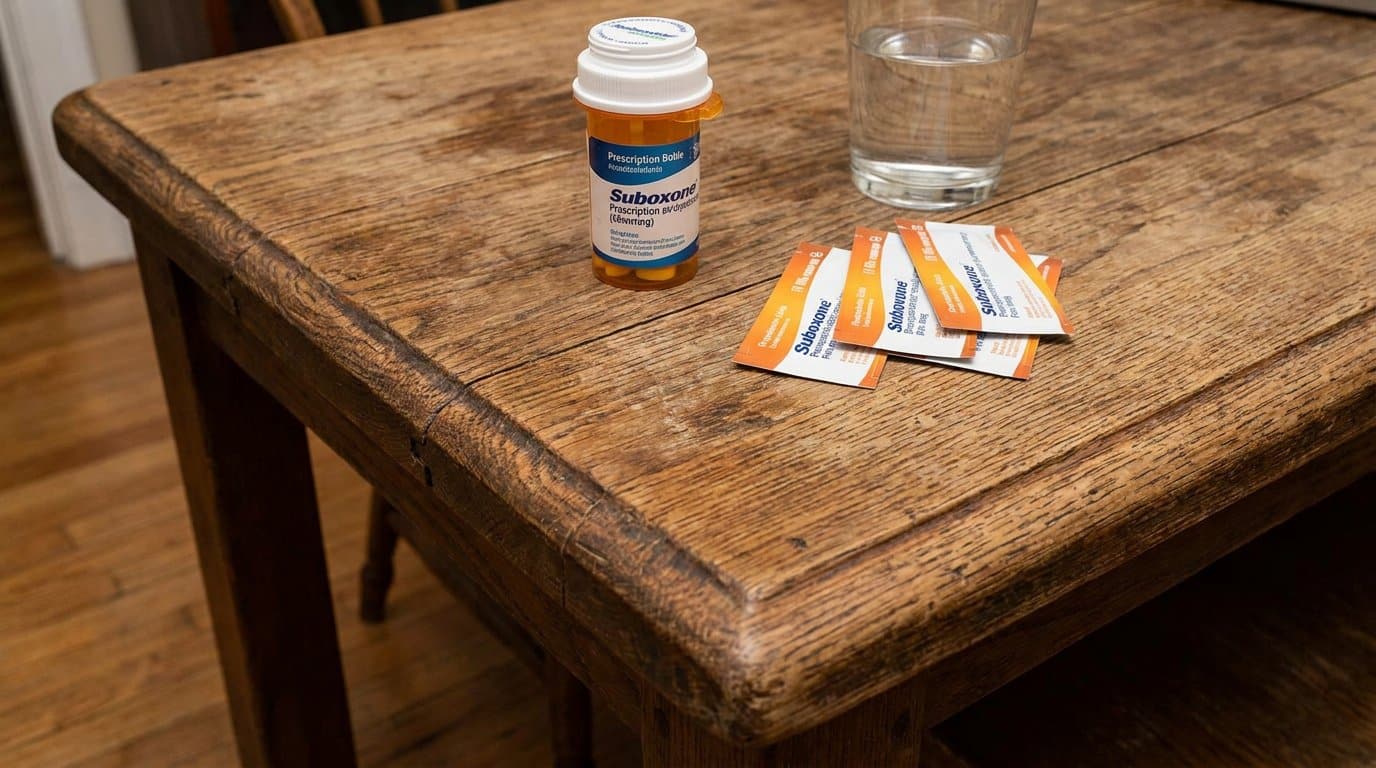
Fentanyl doesn’t just affect the brain, it places serious, lasting strain on two of your body’s most essential systems: the heart and lungs. Over time, chronic use suppresses your breathing, reduces oxygen levels in your blood, and forces your heart to compensate by working harder. How suboxone blocks fentanyl is crucial for understanding its role in addiction treatment. By attaching to the same receptors in the brain, suboxone can diminish the effects of fentanyl and prevent withdrawal symptoms.
The long term fentanyl use effects on your cardiovascular system include irregular heartbeats, high blood pressure, and increased risk of heart attack or stroke. Fentanyl-induced cardiomyopathy can develop even without prior cardiac disease, reducing your heart’s pumping ability to dangerously low levels. Research has shown that fentanyl overdose causes severe bradycardia and reduced contractility, further compounding the damage to an already weakened heart.
Your lungs face permanent damage too. Chronic respiratory suppression leads to frequent infections, persistent coughing, and pulmonary edema. These breathing problems often continue even after you stop using fentanyl.
What Fentanyl Does to Your Gut, Hormones, and Immune System
Fentanyl’s activation of opioid receptors throughout your gastrointestinal tract slows gut motility, causing chronic constipation that unlike most opioid side effects never develops tolerance and can progress to bowel obstruction requiring emergency intervention. Beyond your digestive system, prolonged use disrupts your endocrine function, leading to hormonal imbalances that affect sexual health, fertility, and menstrual regularity. These systemic effects also extend to your immune system, where chronic opioid exposure suppresses immune defenses and leaves you markedly more vulnerable to infections and illness. Because fentanyl is 50 to 100 times stronger than morphine, even small increases in dosage to overcome tolerance can dramatically amplify these long-term health consequences.
Gut Motility and Obstruction
Because mu-opioid receptors line the entire gastrointestinal tract, chronic fentanyl use doesn’t just affect the brain, it directly suppresses neural activity in your gut. This inhibition blocks acetylcholine and other neurotransmitters that normally drive gut motility, increasing muscle tone while reducing propulsive contractions. These receptors function through G-protein coupled mechanisms that decrease intracellular cAMP, ultimately leading to membrane hyperpolarization and calcium channel inhibition that silence the neurons responsible for coordinated digestion.
The result is opioid-induced constipation, which affects up to 60% of long-term users and doesn’t resolve with continued use. Unlike other opioid side effects, your colon doesn’t develop tolerance because receptor recycling persists there. Delayed colonic transit extends water absorption, producing hard, dry stool that further reduces motility by failing to activate mechanoreceptors.
In severe cases, constipation progresses to dangerous bowel obstruction requiring emergency intervention. You may also develop narcotic bowel syndrome, chronic abdominal pain, nausea, and vomiting that worsens with prolonged use.
Hormonal and Immune Disruption
Beyond its grip on the gut, chronic fentanyl use profoundly disrupts your endocrine system, the network of glands that regulate hormones throughout your body. Opioids suppress gonadotropin-releasing hormone in your hypothalamus, triggering a cascade of hormonal imbalance opioids research continues to illuminate. These disruptions can persist months or years after you stop using.
- In men, you may experience hypogonadism, gynecomastia, muscle loss, reduced libido, and infertility from suppressed testosterone production.
- In women, chronic use can cause irregular or absent periods, reduced estrogen, accelerated menopause onset, bone density loss, and fertility complications.
- Your immune system also suffers, Johns Hopkins research shows chronic opioid use creates immunosuppressive effects, reducing vaccine effectiveness, slowing wound healing, and increasing your vulnerability to infections and certain cancers.
What Does Fentanyl Do to Your Brain and Mental Health?

Long-term fentanyl use disrupts your brain’s neurochemistry, reducing natural endorphin production and altering dopamine signaling in ways that impair cognitive function, including attention, memory, and decision-making. These neurological changes also destabilize your emotional regulation, increasing your risk of depression, anxiety, hallucinations, and suicidal thoughts that can persist even after you stop using. As your brain’s reward and impulse-control systems weaken, behavioral changes emerge, you may find it increasingly difficult to manage impulsive actions or maintain motivation without the drug.
Cognitive Function Impairment
Fentanyl doesn’t just affect your body, it fundamentally reshapes how your brain processes information, stores memories, and makes decisions. Research confirms that chronic fentanyl exposure causes measurable cognitive function impairment across multiple domains, including verbal fluency, spatial working memory, and visual pattern recognition. Fentanyl’s effect on the brain can lead to significant challenges in daily functioning. Individuals may struggle with tasks that require concentration and quick thinking, which can further complicate social interactions and professional responsibilities.
You may experience:
- Memory deterioration: Short-term memory formation becomes considerably impaired, with recall deficits persisting even after cessation
- Slowed processing speed: Concentration and information processing decline, making daily functioning increasingly difficult
- Impaired decision-making: Cognitive impulsivity and risk-taking behavior increase as executive function weakens
These deficits correlate directly with lifetime quantity of use. However, sustained abstinence combined with medication-assisted treatment can support cognitive recovery, particularly when intervention begins early before permanent damage occurs.
Emotional Dysregulation Effects
Because fentanyl hijacks the brain’s dopamine and serotonin systems, prolonged use fundamentally dismantles your ability to regulate emotions on your own. Your brain stops producing mood-stabilizing chemicals naturally, making emotional well-being entirely dependent on the drug’s presence. This neurochemical disruption drives significant emotional dysregulation effects, including unpredictable mood swings, anxiety, depression, and paranoia.
The mental health effects opioid use produces extend beyond mood instability. If you have co-occurring conditions like PTSD or bipolar disorder, fentanyl use severely worsens symptoms. Natural pleasurable activities lose their emotional impact as your reward system becomes nonfunctional without the drug. During abstinence, withdrawal-driven mood disturbances create a cycle that reinforces dependence, representing one of the most significant barriers to sustained recovery.
Behavioral Changes Emerge
Beyond the emotional turmoil fentanyl creates, the drug progressively reshapes how you think, act, and make decisions, producing observable behavioral changes that signal deepening neurological damage.
- Cognitive decline accelerates: You’ll experience impaired short-term memory, slowed thinking, and difficulty concentrating as long term opioid effects compromise your brain’s processing capacity.
- Compulsive patterns replace purposeful action: Your brain’s reward system rewiring drives habitual drug-seeking behavior, overriding goal-directed decision-making and weakening impulse control.
- Visible warning signs emerge: Extreme drowsiness, erratic mood swings, poor coordination, constricted pupils, and unexplained weight loss become increasingly apparent to those around you.
These behavioral shifts reflect functional reorganization of frontal-striatal circuitry. Your prefrontal cortex loses its ability to regulate responses effectively, making risk evaluation and reinforcement learning progressively unreliable.
How Fentanyl Weakens Your Bones, Kidneys, and Teeth

While most people associate fentanyl’s dangers with overdose and addiction, chronic use also quietly damages your bones, kidneys, and teeth. These long term opioid complications develop gradually, often going unnoticed until significant harm occurs. How fentanyl Effects the body is a critical concern for long-term users. Many are unaware of its impact on vital organs, which can lead to irreversible damage. Understanding these effects is essential for making informed decisions about opioid use and seeking help when needed.
Fentanyl disrupts your endocrine system, reducing hormone levels that regulate bone density. This leads to weakened bones and a higher fracture risk over time.
Your kidneys also suffer. Chronic use reduces blood flow to the kidneys, lowers your glomerular filtration rate, and can progress to chronic kidney disease. Dehydration compounds this damage further.
Additionally, fentanyl causes xerostomia, persistent dry mouth that accelerates tooth decay and gum disease. Without adequate saliva production, your oral health deteriorates steadily with continued exposure.
Why Fentanyl Tolerance Makes Overdose Risk Skyrocket
As your body adapts to repeated fentanyl exposure, tolerance forces a dangerous cycle of dose escalation that dramatically increases your overdose risk. Because fentanyl is 50 to 100 times stronger than morphine, even minor dosing miscalculations become fatal. Tolerance development opioid users experience simultaneously reduces your protective respiratory responses, eliminating the safety margin between an effective dose and a lethal one.
- Lost tolerance after abstinence, If you relapse after detox, previously tolerated doses become immediately life-threatening because your brain has readapted to opioid absence
- Accelerated tolerance cycling, Fentanyl’s short duration of action pressures more frequent dosing, speeding dependence
- Unpredictable street purity, Small variations in fentanyl concentration can shift a dose from survivable to fatal without warning
Can Your Body Recover From Long-Term Fentanyl Damage?
The toll fentanyl takes on your body raises an urgent question: once the damage is done, can your systems actually heal? Recovery depends on which systems were affected and how long you used.
| Body System | Recovery Potential | Timeline |
|---|---|---|
| Gastrointestinal | High, bowel function typically restores | Weeks to months |
| Respiratory | Moderate, depends on depression severity | Unclear; varies |
| Neurological | Limited, some cognitive gains with abstinence | Months to years |
Your immune and hormonal systems can gradually normalize, but organ damage to your liver or kidneys may show limited reversibility. The long term effects of fentanyl aren’t fully understood due to research gaps, making medically supervised recovery and individualized treatment essential for the best outcomes.
Call Today and Step Into Recovery
Long-term fentanyl use can lead to dangerous effects on multiple parts of the body, but compassionate care can pave the way to lasting healing. At Pinnacle Detox & Recovery in Pasadena, we provide reliable Fentanyl Addiction Treatment created to support you in moving safely toward a healthier, more hopeful future. Call (626) 323-8629 today and start building a brighter tomorrow.
Frequently Asked Questions
How Long Does Fentanyl Stay Detectable in Your System After Stopping?
Fentanyl typically stays detectable in your urine for 24 to 72 hours after your last dose, though heavy or prolonged use can extend this window. Blood tests can detect it for up to 12 hours, while hair tests may show use for up to 90 days. Your metabolism, body fat, and duration of use all influence detection times. If you’re concerned about testing, consult your healthcare provider for personalized guidance.
Can Fentanyl Cause Permanent Changes to Your DNA or Genes?
Current research hasn’t established that fentanyl causes permanent changes to your DNA or genes. However, studies suggest chronic opioid use can trigger epigenetic modifications, changes in how your genes are expressed without altering the DNA sequence itself. These modifications may affect stress response, reward pathways, and immune function. Scientists are still investigating whether these changes are fully reversible. If you’re concerned about long-term effects, you should discuss monitoring options with your healthcare provider.
Does Fentanyl Use During Pregnancy Cause Long-Term Effects on Children?
Yes, fentanyl use during pregnancy can cause long-term effects on children. Research links prenatal exposure to physical abnormalities like cleft palate, small head size, and short stature. Newborns often develop neonatal abstinence syndrome, showing trembling, high-pitched crying, and feeding difficulties. Beyond infancy, you’ll find studies associating exposure with altered brain development, behavioral and cognitive impairments, and increased SIDS risk. If you’re pregnant and using fentanyl, seek medical support immediately.
How Does Fentanyl Interact With Other Prescription Medications Long Term?
Long-term fentanyl use alongside other prescription medications can amplify risks you shouldn’t ignore. When you combine fentanyl with benzodiazepines, sedatives, or certain antidepressants, you’re increasing your chances of severe respiratory depression and overdose. Unfortunately, thorough research on long-term drug-drug interactions with fentanyl remains limited. You should always discuss your full medication list with your healthcare provider, who can monitor for compounding effects and adjust your treatment plan accordingly.
Is Fentanyl-Induced Hyperalgesia Reversible After Sustained Abstinence From Opioids?
Research suggests you may reverse fentanyl-induced hyperalgesia through sustained abstinence, though results remain inconclusive. Abstinent patients showed notably improved cold pain thresholds and tolerance compared to those still receiving opioid agonist treatment. However, researchers haven’t established a definitive recovery timeline. Animal studies indicate pain sensitivity changes can persist for days after cessation, and prolonged abstinence appears necessary for meaningful improvement. You should work closely with your healthcare provider to monitor pain sensitivity throughout recovery.