Fentanyl’s onset speed depends entirely on how it enters your body. If it’s injected intravenously, you’ll feel effects within seconds as its extreme lipid solubility, 580 times greater than morphine’s, lets it cross the blood-brain barrier almost instantly. Intranasal delivery takes about five minutes, transmucosal lozenges peak at 20, 40 minutes, and transdermal patches require 12, 72 hours for full effect. Understanding each route’s pharmacokinetics reveals why this drug’s speed creates unique overdose and dependence risks.
How Fast Does Fentanyl Work by Route?
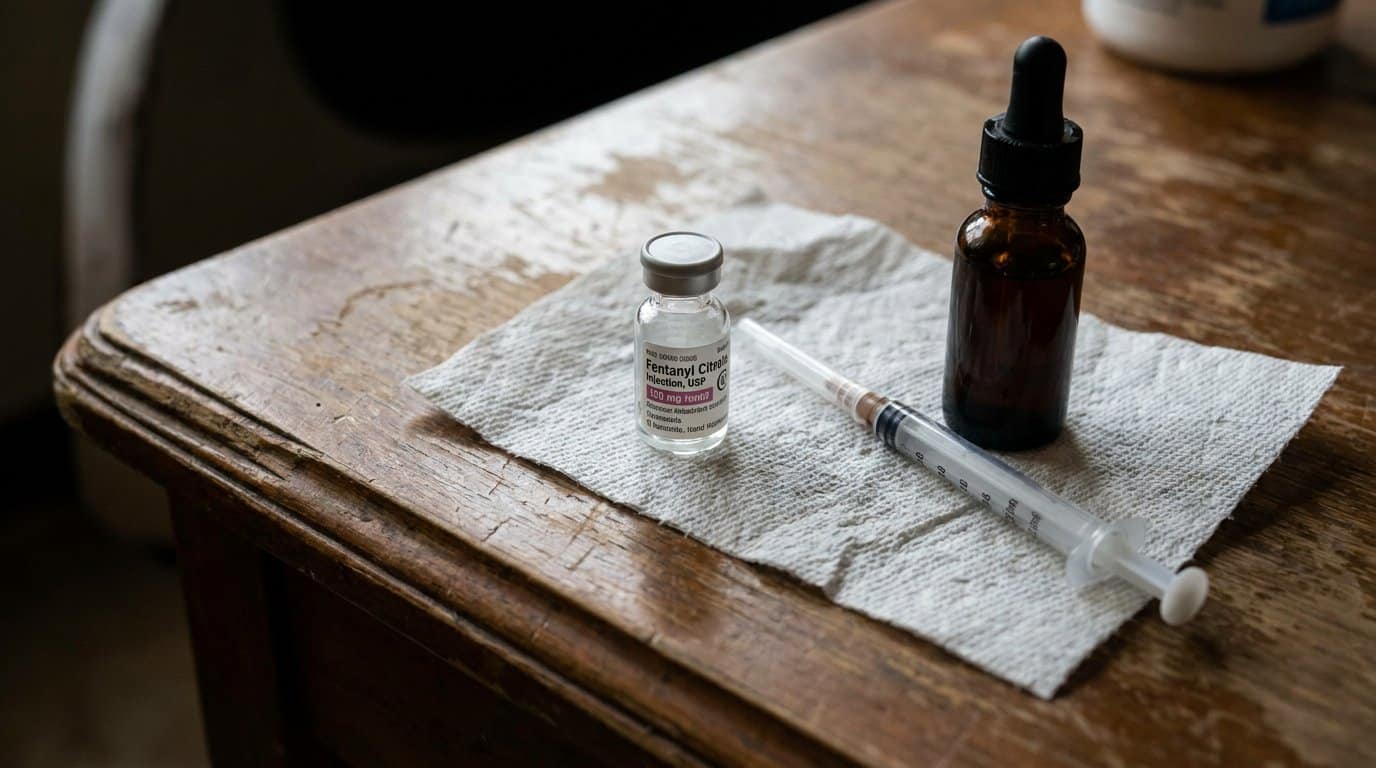
Fentanyl’s onset speed varies dramatically depending on how it enters the body, with each route of administration producing distinct pharmacokinetic profiles that directly affect both efficacy and risk. Understanding how fast does fentanyl work requires examining each delivery method individually.
Intravenous administration produces the fastest response, taking effect within seconds in surgical settings. Intranasal delivery follows, with onset occurring within 5 minutes and duration spanning 30, 60 minutes. For intranasal administration in pediatric settings, a mucosal atomiser device is required to ensure proper delivery and avoid dripping. Transmucosal lozenges reach peak concentration at 20, 40 minutes. Transdermal patches represent the slowest route, requiring 12, 72 hours for full effect, with Cmax of 0.24±0.20 ng/mL at 3.6±1.3 hours. Subcutaneous and intradermal routes similarly demand 12, 48 hours. Each route’s onset directly correlates with its associated risk profile.
Why Fentanyl Acts Faster Than Morphine
Beyond route-dependent differences in onset speed, the molecular properties of fentanyl itself explain why it consistently outpaces morphine in reaching the brain and producing effects. Fentanyl’s high lipid solubility enables rapid blood-brain barrier penetration, while morphine’s hydrophilic structure slows its CNS entry. This pharmacokinetic advantage determines how quickly fentanyl works across all administration routes. Can fentanyl cause brain damage? Research indicates that exposure to high doses over time may lead to neurotoxic effects.
| Property | Fentanyl vs. Morphine |
|---|---|
| Lipid Solubility | 580x higher than morphine |
| Potency | 50, 100x greater |
| IV Onset | 1, 2 min vs. 5, 10 min |
| Peak Effect | 3, 5 min vs. 20, 60 min |
Fentanyl’s synthetic design minimizes histamine release, reducing vasodilation that can delay drug distribution. Its rapid mu-opioid receptor binding produces near-immediate analgesia but simultaneously accelerates respiratory depression risk. This rapid onset also creates strong psychological associations with use, meaning fentanyl’s speed of action contributes to quicker physical dependence compared to slower-acting opioids like morphine.
Fentanyl Patches and the 72-Hour Slow Release
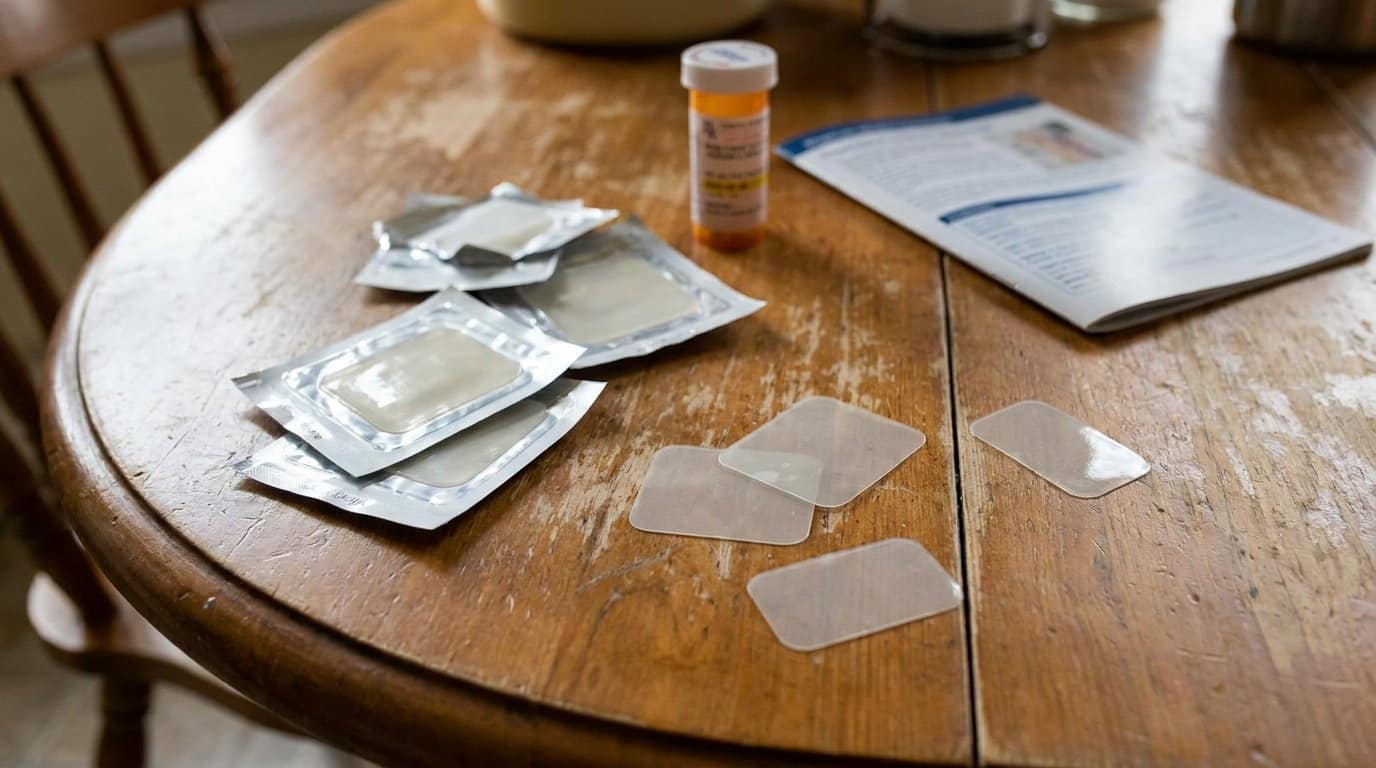
Unlike the near-instantaneous effects of intravenous fentanyl, transdermal patches deliver the drug through a controlled 72-hour slow-release system that fundamentally alters its pharmacokinetic profile.
The fentanyl onset time with patches differs dramatically from other routes:
Transdermal fentanyl follows a uniquely slow absorption timeline, setting it apart from faster delivery methods like intravenous administration.
- Serum detection begins 1-2 hours post-application, but therapeutic levels require 12-16 hours
- Peak plasma concentration occurs 24-72 hours after initial placement
- Steady-state levels stabilize within 12-24 hours
- The stratum corneum creates a skin depot after approximately 24 hours, sustaining drug release
- Bioavailability reaches 90% by bypassing first-pass hepatic metabolism
You’ll find that matrix patches maintain constant delivery rates at doses of 12-100 mcg/hour. After removal, the skin reservoir continues releasing fentanyl, producing an elimination half-life of 13-22 hours, significantly longer than intravenous administration’s 2-4 hour biological half-life. Patients should also be aware that exposure to heat sources can dangerously increase absorption rates, so patches must be applied to clean, intact, dry, and hairless skin avoiding scars and open wounds.
The Deadly Gap Between a Fentanyl Dose and an Overdose
Fentanyl’s 50-to-100-times-greater potency than morphine means you’re working with a therapeutic window so narrow that microscopic dosage differences separate pain relief from fatal overdose. That extreme potency accelerates the overdose timeline, respiratory depression can set in within two minutes of exposure, leaving almost no margin for you to recognize symptoms or administer naloxone before critical organ damage occurs. When you factor in illicit fentanyl’s inconsistent concentration, the gap between a survivable dose and a lethal one effectively disappears.
Narrow Therapeutic Margin
Because fentanyl’s effective analgesic dose sits dangerously close to the dose that triggers fatal respiratory depression, even microgram-level miscalculations can shift a patient from pain relief to overdose. This narrow therapeutic margin means you’re working within an extremely tight dosing window where precision is non-negotiable.
Several pharmacokinetic factors compress this margin further:
- Rapid mu-opioid receptor binding accelerates central nervous system depression before you can detect warning signs
- High lipid solubility drives swift blood-brain barrier penetration, concentrating effects within seconds
- Individual metabolic variability makes standardized dosing unreliable across patients
- Concurrent substance use unpredictably potentiates respiratory suppression
- Tolerance fluctuations alter your effective-to-lethal dose ratio without warning
You can’t reverse what you don’t recognize in time, fentanyl’s speed eliminates the response window most other opioids provide.
Potency Accelerates Overdose
That narrow therapeutic margin becomes even more dangerous when you factor in fentanyl’s raw potency, 80 to 100 times greater than parenteral morphine in opioid-naïve patients. A single-digit microgram dosing error produces pharmacological effects equivalent to multi-milligram morphine miscalculations. When you compare fentanyl onset vs morphine, IV fentanyl reaches peak respiratory depression within 3 to 5 minutes, compressing your intervention window dramatically.
This potency differential means cumulative overdose develops faster through repeated dosing. Clinical protocols permit redosing every 15 minutes at 0.25 to 0.5 micrograms per kilogram, but fentanyl’s 2-to-4-hour elimination half-life creates accumulation potential that outlasts its 30-to-60-minute clinical action. You’re fundamentally stacking doses against a drug that’s still systemically active long after its analgesic effects fade.
Minimal Intervention Time
When you administer fentanyl intravenously, the window between therapeutic effect and life-threatening overdose collapses to minutes, not the hours that slower-onset opioids afford.
Understanding how fast does fentanyl take effect reveals why intervention time is critically limited: Immediate effects of fentanyl can include intense drowsiness, confusion, and respiratory depression. These symptoms can escalate rapidly, making it imperative for medical personnel to act quickly.
- Peak respiratory depression occurs 5, 15 minutes post-IV injection
- Analgesic duration spans only 30, 60 minutes, compressing the acute response window
- Respiratory depression persists beyond analgesia, creating a secondary risk phase
- CO2 sensitivity remains diminished up to 4 hours after a single dose
- The 2, 4 hour elimination half-life demands extended monitoring post-intervention
You’re working against a pharmacokinetic timeline where peak effects arrive within minutes and respiratory compromise outlasts pain relief. This mismatch between analgesic offset and persistent respiratory depression defines fentanyl’s dangerous intervention gap.
How Fentanyl’s Speed Leaves No Time for Rescue
Fentanyl’s rapid crossing of the blood-brain barrier compresses the entire overdose timeline into minutes, effectively eliminating the window bystanders or medical teams need to intervene. Unlike morphine, which reaches peak effect in 20-60 minutes, fentanyl’s rapid acting opioid effects suppress your brain’s respiratory drive before anyone recognizes the emergency. Life-threatening respiratory depression can manifest within two minutes of exposure.
This compressed timeline means you can’t rely on traditional rescue protocols. Naloxone administration demands immediate symptom recognition, yet fentanyl’s speed outpaces most bystander response times. When illicit fentanyl contaminates street drugs, you won’t know you’ve been exposed until respiratory depression has already begun. The pharmacokinetic reality is stark: fentanyl’s 50-100 times greater potency than morphine paired with its rapid onset creates conditions where lethal progression outpaces intervention capacity.
Why Fast-Acting Fentanyl Builds Dependence Quickly
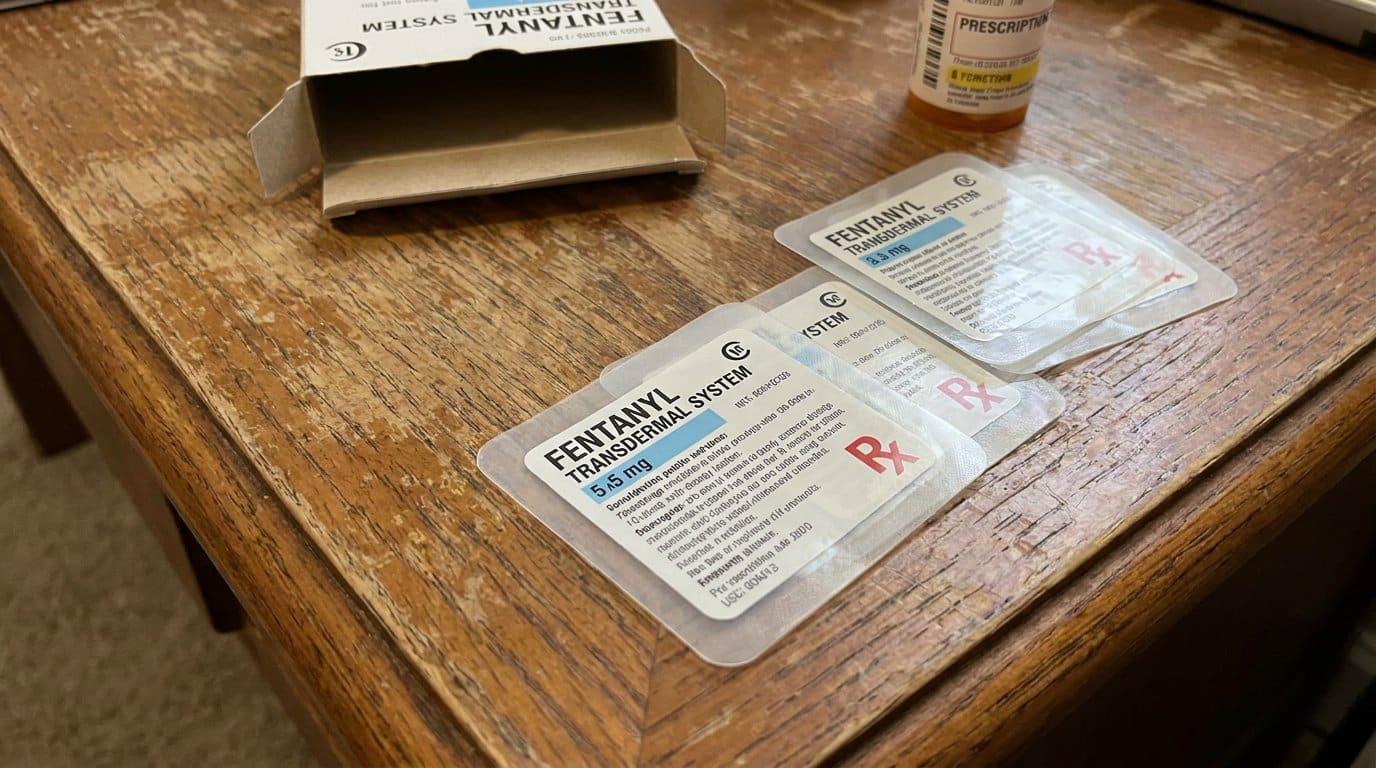
Because fentanyl floods mu-opioid receptors within seconds of exposure, it triggers a dopamine surge that far exceeds what your brain produces naturally, and this speed is precisely what makes it so addictive.
The rapid fentanyl peak time creates a compressed high-crash cycle that accelerates dependence through several mechanisms:
- Tolerance develops within days, requiring escalating doses to reproduce initial effects
- Your brain’s natural dopamine production diminishes as receptors adapt to artificial stimulation
- Short-duration highs prompt repeated dosing, reinforcing compulsive use patterns
- Withdrawal symptoms emerge within hours, driving negative reinforcement cycles
- Physical dependence can establish after just a few exposures, even under medical supervision
This pharmacokinetic profile, rapid onset, intense peak, quick depletion, creates a reinforcement loop fundamentally more aggressive than longer-acting opioids, entrenching dependence at accelerated timelines.
How Long Fentanyl Stays in Your System
Once fentanyl enters your body, its detection window varies considerably by test type, urine screens can identify it for up to 72 hours, blood tests for roughly 12 hours, and hair analysis for up to 90 days. Your liver metabolizes fentanyl into norfentanyl, a metabolite that persists far longer than the parent compound, with mean clearance times extending to approximately 13 days after regular use. Factors like your metabolic rate, body fat percentage, liver and kidney function, and frequency of use directly determine how quickly you’ll eliminate the drug and its metabolites.
Detection Window Timeframes
Although fentanyl’s effects fade quickly, the drug and its metabolites remain detectable in biological samples well beyond the duration of its clinical action. Understanding fentanyl pharmacokinetics helps clarify why detection windows vary notably across testing methods.
- Urine: Detectable for approximately 72 hours in acute use; chronic users may test positive for up to 26, 28 days due to lipophilic accumulation in adipocytes.
- Blood: Identifiable within minutes but clears within 12, 24 hours, reflecting fentanyl’s 2, 4 hour intravenous half-life.
- Saliva: Provides a 24, 48 hour detection window, though not all panels screen for synthetic opioids.
- Hair: Offers the longest window, up to 90 days, capturing repeated exposure patterns.
- Key variable: Chronic use extends norfentanyl clearance to a mean of 13 days.
Metabolism and Elimination
After fentanyl crosses the blood-brain barrier and produces its rapid effects, the liver’s cytochrome P450 3A4 enzyme begins breaking it down through N-dealkylation, a process that converts fentanyl into its primary inactive metabolite, norfentanyl. Your intestinal microsomes also catalyze this conversion at roughly half the hepatic rate, contributing to overall metabolism and elimination. Fentanyl’s effects on digestive health can be significant, as its metabolites may impact gut function and motility. Additionally, changes in the gut microbiome due to fentanyl use could further complicate digestive processes.
| Pathway | Metabolite | Significance |
|---|---|---|
| N-dealkylation | Norfentanyl | Primary route |
| Amide hydrolysis | Despropionylfentanyl | Minor pathway |
| Alkyl hydroxylation | Hydroxyfentanyl | Minor pathway |
Your kidneys excrete these inactive metabolites alongside approximately 10% of unchanged fentanyl. Because fentanyl accumulates in fatty tissues, it undergoes slow redistribution, producing a documented secondary peaking phenomenon. Impaired renal function directly slows metabolite clearance, extending your system’s exposure timeline.
Factors Affecting Duration
Because fentanyl’s elimination timeline varies dramatically based on multiple interacting variables, predicting exactly how long it stays in your system requires examining each factor individually.
Five primary determinants influence fentanyl’s duration beyond its rapid onset:
- Route of administration: IV injection clears within 24 hours, while transdermal patches remain detectable approximately 5 days post-removal
- Dosage and frequency: Chronic use extends mean clearance to approximately 2 weeks versus 1, 3 days for single-dose administration
- Metabolic rate and body composition: Higher body fat percentages sequester lipophilic fentanyl, prolonging elimination
- Organ function: Compromised liver or kidney health directly impairs metabolite clearance
- Detection method: Hair testing identifies fentanyl traces up to 90 days, while blood testing captures a 12, 48 hour window
Each variable compounds the others, creating individualized pharmacokinetic profiles.
Call Today and Step Into Recovery
Long-term fentanyl use can lead to dangerous effects on multiple parts of the body, but compassionate care can pave the way to lasting healing. At Pinnacle Detox & Recovery in Pasadena, we provide reliable Fentanyl Addiction Treatment created to support you in moving safely toward a healthier, more hopeful future. Call (626) 323-8629 today and start building a brighter tomorrow.
Frequently Asked Questions
Can Naloxone Reverse Fentanyl Effects as Quickly as the Drug Takes Hold?
Naloxone can’t always reverse fentanyl’s effects as quickly as the drug takes hold. You’re dealing with a highly lipophilic opioid that binds mu-receptors within seconds of IV administration. While naloxone works within 1, 3 minutes intravenously, fentanyl’s receptor affinity and potency often demand repeated or higher doses. You may need multiple naloxone administrations because its duration of action is shorter than fentanyl’s, risking re-sedation and recurring respiratory depression.
Does Body Weight or Metabolism Affect How Fast Fentanyl Kicks In?
Your body weight and metabolism don’t greatly alter how fast fentanyl kicks in. Because fentanyl’s high lipid solubility drives its rapid crossing of the blood-brain barrier, you’ll experience onset within 1-2 minutes of IV administration regardless of weight classification. However, your body composition does affect what happens next, fatty tissue stores fentanyl, extending its elimination half-life to 2-4 hours and influencing how long effects persist rather than how quickly they begin.
Is Fentanyl Onset Speed Different for Opioid-Tolerant Versus Opioid-Naive Patients?
Current evidence doesn’t show a significant difference in fentanyl’s onset speed between opioid-tolerant and opioid-naive patients. You’ll experience the same rapid blood-brain barrier crossing regardless of your tolerance status because onset depends on fentanyl’s lipophilicity and receptor-binding kinetics, not your receptor sensitivity. However, if you’re opioid-naive, you’ll feel stronger effects at lower doses since tolerance alters your response intensity, not how quickly fentanyl reaches your brain.
Can You Feel Fentanyl Working Before Dangerous Respiratory Depression Begins?
You can feel fentanyl’s euphoric rush before you recognize respiratory depression, but that doesn’t mean you’re safe. Fentanyl’s rapid mu-opioid receptor binding produces pleasurable sensations and life-threatening breathing suppression almost simultaneously. You’ll perceive the euphoria and calm while respiratory depression has already begun, you just can’t detect it. This perceptual lag means you won’t reliably sense danger before breathing slows to critical levels, especially outside medical monitoring.
Does Mixing Fentanyl With Alcohol or Benzodiazepines Accelerate Its Onset Speed?
Mixing fentanyl with alcohol or benzodiazepines doesn’t necessarily accelerate its onset speed, but it dramatically amplifies its effects. These substances act on overlapping CNS pathways, compounding respiratory depression before you can recognize danger. Alcohol enhances absorption in some formulations, while benzodiazepines potentiate sedation through GABA receptor activity. You’re not speeding up fentanyl’s action, you’re narrowing the margin between therapeutic effect and fatal overdose, making emergency intervention far more critical.