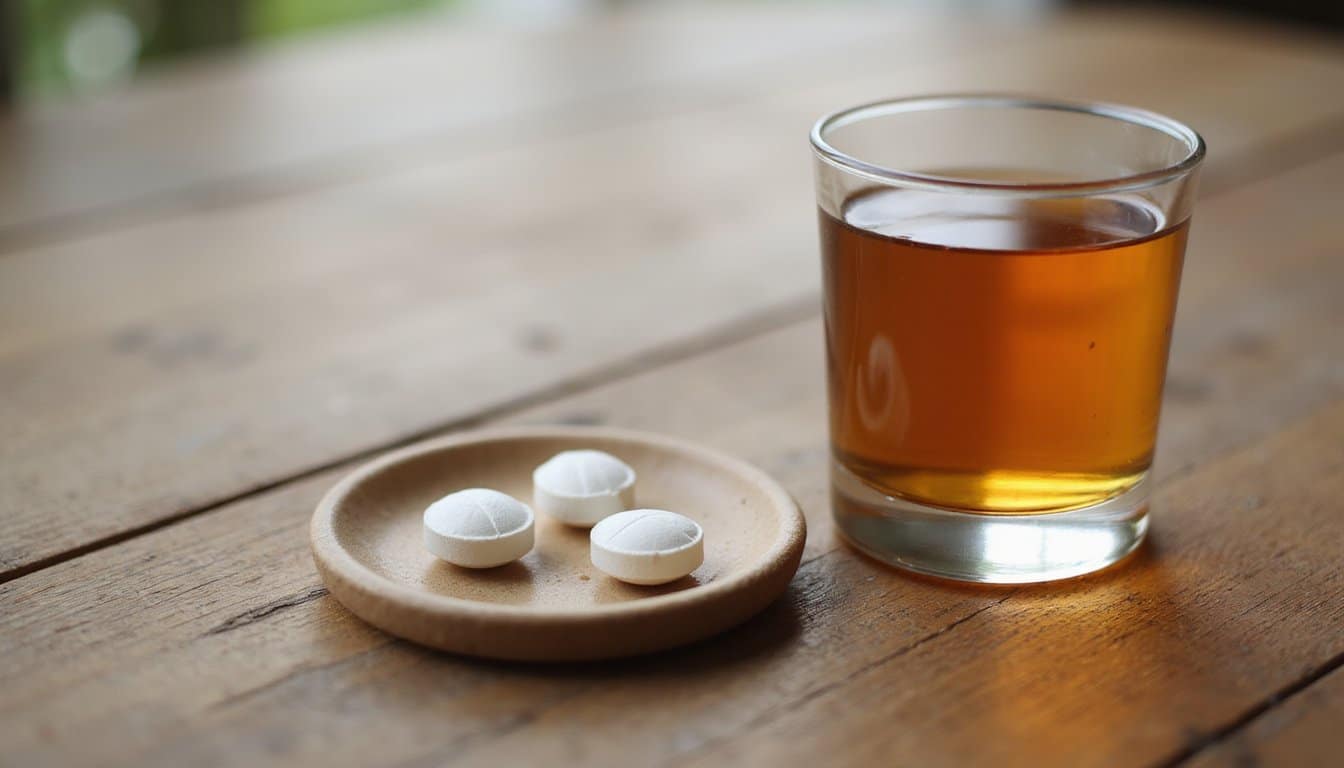
Mixing Lexapro and alcohol isn’t safe because both substances affect your
central nervous system and
serotonin pathways in conflicting ways. You’ll likely experience intensified drowsiness, impaired coordination, and worsened depression or anxiety symptoms. The combination strains your liver, undermines your medication’s effectiveness, and increases your risk of
serotonin syndrome. Even moderate drinking can destabilize your treatment progress. Understanding the specific dangers and safer alternatives can help you protect your
mental health journey.
is one drink ok on lexapro raises important questions about how alcohol interacts with your medication. If you’re considering having a drink, it’s crucial to consult your healthcare provider to discuss the potential risks. They can offer guidance tailored to your unique situation and help you navigate any concerns regarding your treatment.
Is It Safe to Mix Lexapro and Alcohol?
Why do doctors consistently advise against combining
Lexapro with alcohol? The answer lies in how these substances interact within your
central nervous system. Both affect serotonin levels and brain function, creating
unpredictable and potentially dangerous outcomes. When you mix this medication with alcohol, you’re amplifying side effects like drowsiness, dizziness, and impaired coordination. The FDA, Mayo Clinic, and WebMD all warn that alcohol stops escitalopram’s effectiveness,
undermining your therapeutic impact. Your health risks extend beyond discomfort. The combination can worsen depression and anxiety symptoms, increase suicidal thoughts, and in rare cases trigger
serotonin syndrome. Since both Lexapro and alcohol are processed by the liver, chronic combined use can cause
undue strain on the liver with serious health consequences. There’s no established safe amount, even one drink poses safety concerns including nausea and mood changes. You should always
consult your healthcare provider for personalized guidance on these interactions.
What Happens When You Drink on Lexapro
Understanding the risks is one thing, knowing exactly what occurs in your body when you combine Lexapro with alcohol clarifies why those warnings exist. When alcohol consumption interferes with serotonin regulation, you’ll experience intensified depression symptoms and anxiety. The alcohol interaction disrupts your brain’s chemical balance, triggering mood swings and emotional instability. Physical impairment worsens considerably, while overdose risk increases as your liver struggles to process both substances. Additionally, combining these substances can
increase suicidal thoughts or tendencies, making the combination particularly dangerous for those already struggling with mental health.
| Effect Category |
What Happens |
| Neurological |
Serotonin pathways scramble, causing emotional dysregulation |
| Physical |
Coordination fails, drowsiness intensifies |
| Mental Health |
Depression and anxiety symptoms worsen |
| Toxicity |
Liver overload amplifies overdose risk |
| Long-term |
Withdrawal effects intensify, therapeutic progress reverses |
Your body retains both substances longer, compounding sedation and judgment impairment while undermining treatment effectiveness.
Common Side Effects of Lexapro and Alcohol Together
When you combine Lexapro and alcohol, you’re likely to experience
intensified drowsiness and
impaired coordination that can profoundly affect your daily functioning and increase your risk of falls or accidents. The sedative effects of alcohol amplify Lexapro-induced sleepiness, while both substances depress your central nervous system, leading to dizziness and poor balance. Beyond these physical symptoms, you may notice
worsened mood and
heightened anxiety, as alcohol undermines your medication’s effectiveness and can trigger emotional instability despite ongoing treatment. Additionally, alcohol may increase the risk of other Lexapro-related side effects, including
nausea, insomnia, dry mouth, and diarrhea.
Drowsiness and Impaired Coordination
Combining Lexapro and alcohol produces two distinct but overlapping effects on your central nervous system that profoundly impair your ability to function safely. The lexapro alcohol interaction intensifies sedative properties, causing severe drowsiness and dizziness that exceed what either substance produces alone. You’ll experience lightheadedness, compromised coordination, and cognitive impairment that directly affect reaction time.
| Effect |
Consequence |
| Drowsiness |
Excessive fatigue, inability to stay alert |
| Dizziness |
Balance problems, vertigo sensations |
| Coordination loss |
Gait disturbances, motor control deficits |
| Impaired judgment |
Poor decision-making capacity |
| Cognitive impairment |
Reduced concentration, confusion |
Your accident risk increases substantially when these effects combine. Falls, vehicle collisions, and injury become more likely as the sedative interaction disrupts your ability to navigate daily activities safely.
Worsened Mood and Anxiety
Alcohol disrupts the same
neurotransmitter systems that
Lexapro targets, serotonin and norepinephrine, while simultaneously acting on
GABA and dopamine pathways. This interference undermines your
neurotransmitter balance, weakening the medication’s therapeutic effects and intensifying depression and anxiety symptoms. When you combine alcohol with Lexapro, you’re likely to experience worsened
emotional regulation, increased mood swings, and
heightened emotional instability. Patients frequently report more frequent panic attacks, elevated heart rate, and dizziness when mixing these substances. The mental health symptoms you’re treating become considerably harder to manage. Depression deepens, anxiety escalates, and
suicide risk increases, particularly dangerous for individuals with elevated baseline risk. Substance abuse patterns compound these effects, creating a cycle where alcohol undermines your treatment progress while worsening the very conditions Lexapro aims to address.
Serious Risks That Make This Mix Dangerous
Though Lexapro effectively manages depression and anxiety for many patients, mixing it with alcohol introduces serious health risks that can’t be ignored. The combination disrupts brain chemistry in unpredictable ways, potentially triggering
serotonin syndrome, a rare but
life-threatening condition marked by agitation, tremors, and severe physical distress. You’ll likely experience
heightened sedation and
impairment, including extreme drowsiness, poor coordination, and compromised judgment that increases risky behaviors. Your mental health symptoms can worsen considerably, with alcohol negating Lexapro’s benefits while intensifying depression, anxiety, and
suicidal thoughts. The liver faces considerable strain processing both substances simultaneously, raising
liver damage risk with continued use. Perhaps most concerning, this pattern fosters addiction and dependency, potentially developing into a
substance use disorder that complicates your recovery and undermines long-term treatment success.
How Long Does Lexapro Stay in Your System?
Understanding how long Lexapro remains in your system is essential when considering alcohol consumption, as the medication’s presence affects interaction risks. Escitalopram has a
half-life of 27 to 32 hours, meaning it takes approximately
five to seven days after your last dose for complete elimination from your body. Several factors, including your age, liver function, dosage, and
genetic metabolism, directly influence how quickly or slowly your system clears the drug.
Lexapro’s Six-Day Timeline
Lexapro (escitalopram) remains in your system for approximately six days after your last dose, a timeline determined by the medication’s half-life of 27 to 32 hours. During this period, your body undergoes
continuous metabolism and elimination of the drug through liver processing and kidney excretion. Your concentration levels decrease predictably:
50% remains after one day, 25% after two days, and less than 3% by day five to seven.
Detection in blood tests is possible for about six days, while urine tests may identify metabolites for up to one week. The washout period of five to seven days is clinically significant. Stopping abruptly can trigger
withdrawal symptoms including irritability and nausea. After this timeline, drug levels become
clinically irrelevant, though you should consult your doctor before
discontinuing treatment.
Factors Affecting Elimination Speed
Several
biological and physiological variables determine how quickly your body eliminates Lexapro, with
individual differences creating considerable variation in clearance timelines. Your age markedly impacts elimination, adults over 65 experience a 50% increase in half-life, potentially requiring 9-10 days for complete clearance instead of 6-7 days.
Liver function plays the most critical role, as hepatic impairment reduces oral clearance by 37% and doubles the half-life, extending elimination up to two weeks.
Kidney function impairment reduces clearance by approximately 17%, adding one to two extra days. Dosage affects detection windows, though half-life remains consistent across doses. Your
metabolism and genetics determine how efficiently enzymes
CYP2C19 and CYP3A4 break down the medication. Poor metabolizers experience prolonged elimination beyond standard timelines, while fast metabolizers clear escitalopram more rapidly.
Can You Have Any Alcohol on Lexapro?
How safe is it to drink while taking Lexapro? The FDA and Mayo Clinic recommend avoiding alcohol entirely when you’re on escitalopram, an SSRI that works by blocking serotonin reuptake in your brain. As a
selective serotonin reuptake inhibitor,
Lexapro alters neurotransmitter activity, and
alcohol, a central nervous system depressant, can impair this process unpredictably. Even moderate drinking poses risks. Alcohol can
heighten drowsiness, worsen depression, and reduce your
medication’s effectiveness. If your healthcare provider approves occasional consumption, stick to strict limits: one drink daily for women, two for men. Never stop taking Lexapro temporarily to drink, as this destabilizes your treatment. You should
consult your prescriber before consuming any alcohol, discussing your medical history and individual risk factors for personalized guidance.
Who Faces the Highest Risk From Lexapro and Alcohol?
While most people taking escitalopram should avoid alcohol, certain groups face greatly elevated dangers when combining these substances. If you have a history of substance use or addiction, you’re at heightened relapse risk. Those managing severe depression or anxiety experience worsened emotional dysregulation and increased suicidal ideation.
| Risk Category |
Primary Concern |
Key Danger |
| Liver disease/organ impairment |
Toxicity accumulation |
Fatal organ damage |
| Elderly patients |
Amplified sedation |
Falls and injuries |
| Initial treatment phases |
Serotonin instability |
Serotonin syndrome |
You’re particularly vulnerable during early Lexapro treatment when your brain chemistry remains unstable. If you have compromised liver function, processing both substances strains your organs immensely. Elderly patients experience amplified sedation, impaired coordination, and reduced judgment, dramatically increasing accident risk.
Questions to Ask Your Doctor About Drinking on Lexapro
When you’re taking
Lexapro and considering
alcohol consumption, preparing specific questions for your
healthcare provider guarantees you receive personalized, evidence-based guidance tailored to your risk profile. Start by discussing your complete
medical history, including any prior alcohol use disorders or liver conditions. Ask your prescribing doctor about specific medication interactions between Lexapro and other substances you’re taking. Request clear safety guidelines regarding drinking limits based on your personal risk assessment. Inquire about expected
side effects if you consume alcohol and establish a symptom monitoring plan. Ask what warning signs require immediate medical attention. Discuss timing considerations, whether occasional drinking is ever appropriate and how long after stopping Lexapro you should wait before consuming alcohol. Finally, explore alternative
coping strategies your provider recommends for stress management.
Alcohol-Free Ways to Relax While Taking Lexapro
Armed with your doctor’s guidance, you can now focus on building a practical toolkit of
alcohol-free relaxation strategies that support your
Lexapro treatment rather than undermine it.
Build your alcohol-free relaxation toolkit to work with your Lexapro treatment, not against it.
Physical activity ranks among the most effective alternatives. Brisk walks, yoga, or cycling produce endorphins that enhance mood and promote stress reduction without compromising your medication’s efficacy. Mindfulness and meditation practices directly calm your nervous system while reducing alcohol cravings. The
STOP technique, stopping, taking deep breaths, and observing your body, builds emotional stability through present-moment awareness. Deep breathing exercises like box breathing or the 4-7-8 pattern quickly lower heart rate and anxiety levels. These techniques offer immediate relaxation when stress triggers arise. Evening rituals matter too. Herbal teas, light stretching, and dimmed lights support
better sleep while replacing alcohol-dependent unwinding habits.
The Right Help Can Change Everything
Struggling with Prescription Drug addiction can feel overwhelming, but with the right care and support, recovery is always possible. At Pinnacle Detox & Recovery, we are dedicated to providing you with the right Prescription Drug Addiction Treatment that fits your needs and puts you on the path to long-term recovery. Call (626) 323-8629 today and make the decision that could change your life forever.
Frequently Asked Questions
Does Lexapro Make You More Intoxicated From Fewer Drinks?
No,
Lexapro doesn’t make you
intoxicated faster or raise your blood alcohol level from fewer drinks. Clinical trials show no significant increase in
alcohol-related cognitive or motor impairments from the medication itself. However, you’ll likely experience amplified side effects, worsened drowsiness, dizziness, and impaired coordination, even with small amounts of alcohol. This compounded central nervous system depression makes you feel more impaired than
alcohol alone would, increasing your risk of injury and poor judgment.
Can I Drink Alcohol After Stopping Lexapro Completely?
You can drink alcohol after stopping Lexapro, but you shouldn’t rush it. Escitalopram has a
half-life of 27-32 hours, meaning full elimination takes approximately
5-7 days depending on your dosage and metabolism. During this period, residual effects may amplify alcohol’s sedative properties, increasing drowsiness and impairing coordination. You’ll want to consult your healthcare provider for a personalized timeline and monitor for
mood changes, as alcohol can trigger anxiety or depression relapse post-discontinuation.
Will One Glass of Wine Interfere With My Lexapro Dose?
Even one glass of wine can interfere with your Lexapro dose. You may experience
heightened drowsiness, dizziness, and impaired coordination from the combined sedative effects. Alcohol can also reduce your medication’s effectiveness and worsen depression or anxiety symptoms. While the FDA hasn’t identified major clinical trial interactions, doctors still recommend avoiding alcohol entirely during treatment. You should consult your prescribing physician before consuming any alcohol to assess your individual risk factors.
Does Drinking Alcohol Cause Lexapro Withdrawal Symptoms?
No, drinking alcohol doesn’t directly trigger
Lexapro withdrawal symptoms. Withdrawal occurs when you stop or markedly reduce your escitalopram dose, not from
alcohol consumption. However,
alcohol withdrawal can mimic some Lexapro discontinuation symptoms, like anxiety, nausea, and dizziness, which may cause confusion. While alcohol won’t cause medication withdrawal, it does reduce Lexapro’s effectiveness and strains your liver, potentially exacerbating your underlying depression and anxiety symptoms over time.
Can Alcohol Trigger Serotonin Syndrome When Taking Lexapro?
Yes,
alcohol can trigger
serotonin syndrome when you’re taking
Lexapro, though it’s rare. Both substances affect
serotonin levels, Lexapro blocks reabsorption while alcohol alters serotonin activity. Case reports document individuals developing full serotonin syndrome symptoms after consuming just one beer while on escitalopram. Watch for warning signs including agitation, tremors, rapid heartbeat, muscle stiffness, and confusion. You should avoid alcohol entirely and seek immediate medical attention if symptoms develop.

 Why do doctors consistently advise against combining Lexapro with alcohol? The answer lies in how these substances interact within your central nervous system. Both affect serotonin levels and brain function, creating unpredictable and potentially dangerous outcomes. When you mix this medication with alcohol, you’re amplifying side effects like drowsiness, dizziness, and impaired coordination. The FDA, Mayo Clinic, and WebMD all warn that alcohol stops escitalopram’s effectiveness, undermining your therapeutic impact. Your health risks extend beyond discomfort. The combination can worsen depression and anxiety symptoms, increase suicidal thoughts, and in rare cases trigger serotonin syndrome. Since both Lexapro and alcohol are processed by the liver, chronic combined use can cause undue strain on the liver with serious health consequences. There’s no established safe amount, even one drink poses safety concerns including nausea and mood changes. You should always consult your healthcare provider for personalized guidance on these interactions.