Addiction changes the brain in ways that affect reward, stress, memory, judgment, and self-control. These changes help explain why substance use can become hard to stop, even when someone sees the harm it is causing. Addiction is not a simple lack of willpower. It involves brain pathways that learn, adapt, and repeat patterns over time.
These changes often build slowly. A person may start using substances for pleasure, relief, curiosity, or escape. As use continues, the brain begins to treat the substance as more important than natural rewards. Cravings become stronger. Withdrawal can make stopping feel painful. Decision-making may also weaken under pressure. In this article, we will discuss how the brain changes over time when a person is addicted.
Addiction Overloads the Brain’s Reward System
The brain has a reward system that helps you recognize what feels good or important. This system is linked to survival, motivation, and learning. It responds to things like food, connection, rest, and achievement.
Addictive substances can create a much stronger reward signal than everyday experiences. The brain notices that signal and starts to remember it. This is why early substance use can leave such a strong impression.
Over time, the brain may begin to connect substance use with certain people, places, moods, or routines. These connections can become triggers later. What started as a choice can become a learned pattern that feels harder to control.
It Rewires Dopamine and Motivation
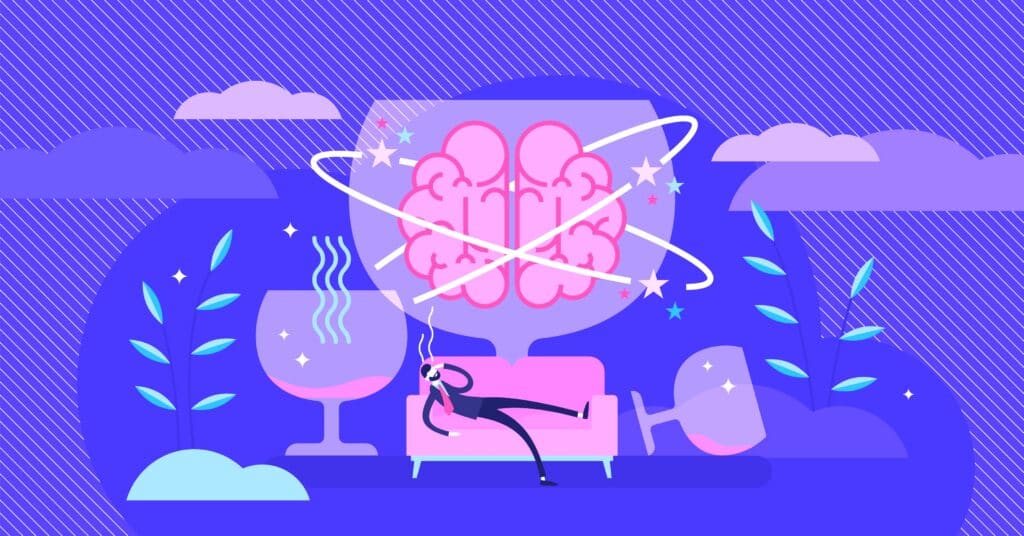
Dopamine is a brain chemical tied to reward, learning, and motivation. It does not only create pleasure. It also teaches the brain what to seek again.
When addictive substances create large dopamine surges, the brain may begin to treat the substance as highly important. This can shift motivation away from normal rewards. Hobbies, relationships, food, rest, and personal goals may start to feel less satisfying.
As addiction develops, the brain can move from liking the substance to wanting it. That wanting can become intense. A person may no longer feel driven by pleasure alone. Instead, the brain starts pushing toward the substance as if it is needed.
Addiction Builds Tolerance and Weakens Natural Pleasure
Tolerance develops when the brain and body adapt to repeated substance use. The same amount no longer creates the same effect. A person may need more of the substance to feel the result they once felt with less.
This happens because the brain is trying to regain balance. Repeated dopamine surges can make reward pathways less sensitive. As a result, the substance may feel less powerful, while everyday pleasures may feel dull.
Tolerance can show up in several ways:
- The same amount no longer feels strong enough.
- Everyday activities feel less rewarding.
- A person uses more often than planned.
- Discomfort appears when the substance wears off.
- Use continues despite clear harm.
Tolerance can deepen dependence. The brain becomes more used to functioning with the substance present. This can make stopping harder and increase the need for professional support.
It Makes Withdrawal Affect Stress and Emotions
Withdrawal happens when the brain and body react to the absence of a substance they have adapted to. This can affect mood, sleep, appetite, energy, and physical comfort. Some forms of withdrawal can be serious and should be medically assessed.
Addiction also affects the brain’s stress system. During withdrawal, the extended amygdala, a brain area involved in fear and stress, can become more active. This may lead to anxiety, irritability, sadness, restlessness, or emotional pain.
At this stage, substance use may no longer feel like a search for pleasure. It may feel like a way to escape discomfort. This is one reason the cycle can continue. The person may use again to feel relief, even when they want to stop.
Addiction Keeps Cravings Active Through Memory and Triggers
Cravings can continue after substance use stops because the brain does not reset right away. Addiction affects reward pathways, stress circuits, and memory systems. These systems may still respond strongly to reminders of past use.
A craving can be triggered by a place, mood, smell, person, song, or time of day. The brain remembers the connection between that cue and the substance. The urge can feel sudden, even when the person has been trying to stay sober.
Cravings are not a sign that recovery is impossible. They show that the brain has learned strong associations. Recovery helps you recognize those cues and practice different responses before the craving takes over.
It Weakens Judgment and Self-Control
Addiction can affect the prefrontal cortex. This part of the brain helps with planning, judgment, impulse control, and decision-making. When this area is under strain, it can become harder to pause and think through consequences.
A person may understand that substance use is harming their health, work, relationships, or future. Still, the urge to use can feel stronger in the moment. This can create shame and confusion, especially when the person truly wants to stop.
This does not mean the person does not care. It means the brain’s control systems are under pressure. The reward system pushes toward use. The stress system seeks relief. The decision-making system may struggle to slow the process down.
Addiction Reshapes Brain Areas Linked to Learning and Emotion
Addiction can change the brain’s structure and communication patterns. It does not only affect behavior. It can reshape pathways involved in memory, learning, emotion, and impulse control.
The hippocampus plays a role in memory. The amygdala helps process fear, stress, and emotion. When addiction affects these areas, the brain may hold strong memories tied to substance use while reacting more intensely to stress.
These changes help explain why recovery requires more than removing the substance. The brain also needs time to unlearn old patterns and build new ones. A stable setting can help reduce pressure while the person begins that process.

It Creates a Cycle That Can Lead Back to Substance Use
Addiction often follows three stages: intoxication, withdrawal, and preoccupation. These stages can repeat over days, weeks, months, or even within the same day.
In the intoxication stage, the substance activates reward pathways. The brain learns that the substance creates a strong effect. In the withdrawal stage, the substance wears off, and emotional or physical discomfort rises.
The preoccupation stage involves cravings and thoughts of using again. The brain starts focusing on relief. Planning, judgment, and impulse control may become harder during this stage.
Relapse risk increases when this cycle is not interrupted. Recovery helps by addressing each part of the cycle with support, structure, and new coping skills.
Recovery Helps the Brain Build Healthier Pathways
The good news is that treatment is possible. With the right addiction recovery program, your brain can begin building healthier patterns again. The brain can change after addiction. This ability is called neuroplasticity. Neuroplasticity means the brain can adapt, form new connections, and strengthen healthier patterns over time.
The same learning process that helped addiction take hold can also support recovery. With sustained abstinence and treatment, the brain can begin to rebuild pathways linked to reward, self-control, and emotional balance.
Healing is not instant. Some changes may improve earlier, while others take longer. Progress can also feel uneven. Cravings, mood shifts, or stress reactions may still happen during recovery.
That does not mean healing is not taking place. It means the brain is adjusting after repeated substance use. Each healthier response gives the brain another chance to practice stability.
Treatment Gives the Brain Structure to Heal
Treatment supports brain healing by creating safety, structure, and steady care. Detox can help the body move through withdrawal with medical oversight when needed. Residential treatment can reduce exposure to triggers and give you space to focus on recovery without daily outside pressure.
Therapy can help you understand cravings, stress responses, and relapse patterns. It can also help you build new coping skills. Recovery is not about forcing change through willpower alone. It is about giving your brain and body the right support to stabilize.
If you need help with addiction, help is within your reach. At Pinnacle Detox & Recovery, we provide detox and residential addiction treatment in a private, supportive setting. Our team offers monitored care, structure, and whole-person support as you begin recovery.