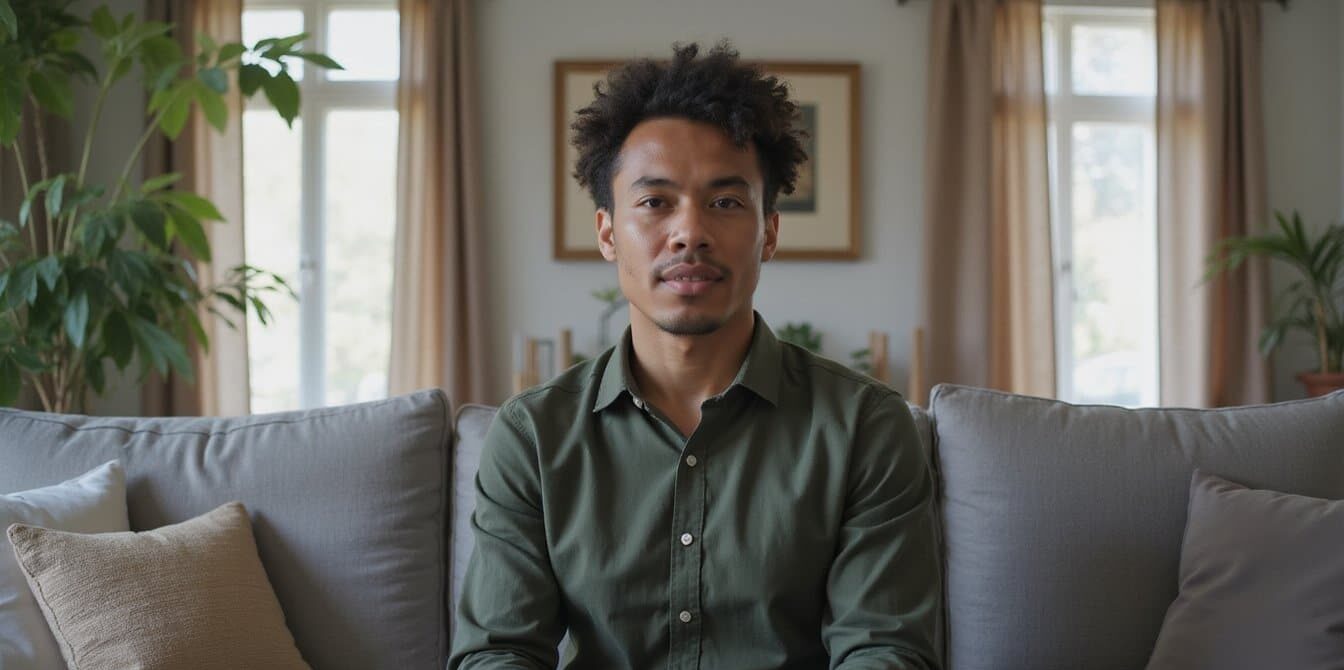
During
one-on-one individual counseling sessions in rehab, you'll work privately with a therapist who focuses entirely on your unique history, triggers, and goals. Your first session typically involves assessments of your
substance use patterns and mental health rather than intensive therapy. As treatment progresses, you'll explore topics like
identifying triggers, releasing resentments, and building healthier
coping strategies. Sessions may occur weekly or more frequently depending on your needs, and the sections below explain exactly what each stage involves.
Why One-on-One Counseling Matters in Rehab
When you sit down with a counselor for one-on-one sessions, you're building something research calls a "therapeutic alliance", and it's more powerful than you might realize. Strong therapeutic relationships formed within the first three to five meetings directly correlate with faster
symptom relief and better
treatment adherence. This bond strengthens through
consistency, respect for autonomy, and transparent communication from your therapist. Individual counseling gives you
customized treatment plans that target your specific triggers, history, and daily struggles. Meta-analyses show significant gains in symptom reduction, treatment retention, and overall wellbeing when clients receive
personalized care. Your therapist can focus on addressing
co occurring disorders while adapting evidence-based techniques like CBT or DBT to your unique situation. This personalized approach is critical given that
only 1.1% of those who need substance use treatment actually receive professional help. The results speak clearly: clients receiving targeted interventions experience a 24% reduction in
relapse rates compared to generic treatment approaches.
What Happens in Your First Rehab Counseling Session?
How do you prepare for something you've never experienced before? Your first rehab counseling session focuses primarily on
initial assessments rather than diving into therapy. You'll spend 45-60 minutes with your counselor, who creates a welcoming, non-judgmental space for you to share your story. During this intake session, your counselor evaluates your
substance use patterns,
medical history, and
mental health. They'll ask about family background, current relationships, and previous recovery attempts. This thorough picture helps shape your
treatment plan. Your counselor will also screen for
co-occurring conditions like depression or anxiety that may influence your recovery journey.
Your counselor pieces together your complete story, substance use, health, relationships, and past recovery efforts, to build your personalized path forward.
Understanding counseling expectations upfront matters. You'll complete consent forms, learn about confidentiality policies, and discuss session logistics. Your counselor explains the
therapy process and addresses any safety concerns. You're encouraged to ask questions about your
therapist's approach and training to feel empowered and informed throughout your recovery. This session differs from future ones, it's about gathering information and building trust, not intensive therapeutic work.
How Often Will You Meet With Your Counselor?
Your
counseling frequency shapes how quickly you'll progress in
recovery.
Session scheduling typically ranges from one to three times weekly, depending on your needs and treatment intensity. Research shows higher frequency predicts better
abstinence rates and faster
symptom reduction.
- Weekly sessions provide steeper recovery curves and improved retention
- Twice-weekly sessions reduce dropout rates and accelerate symptom relief
- Biweekly sessions may suit milder concerns or later recovery stages
- Intensive schedules (1.5+ sessions weekly) work best for trauma-focused treatment
Your counselor will discuss frequency adjustments as you progress. You might start with more intensive support, then gradually space sessions as you build coping skills. Interestingly, research indicates that
20-50% of therapy patients find a single session sufficient for their needs, though addiction treatment typically requires ongoing support. This tailored approach guarantees you're getting the right level of care at each recovery stage. Your
active participation and feedback play a crucial role in refining how often you meet with your counselor throughout your treatment journey.
Therapy Approaches Used in Rehab Counseling
Because effective treatment depends on matching the right approach to your unique needs, rehab counselors draw from several evidence-based therapy methods. Your counselor will assess which techniques align best with your goals and circumstances.
| Approach |
Focus |
Key Benefit |
| Cognitive-Behavioral Therapy |
Changing negative thought patterns |
Builds practical coping strategies |
| Motivational Interviewing |
Exploring ambivalence toward change |
Strengthens your commitment to goals |
| Acceptance and Commitment Therapy |
Embracing thoughts without avoidance |
Promotes psychological flexibility |
Evidence based approaches like these work alongside holistic techniques that address your physical, emotional, social, and vocational needs extensively. Your counselor won't judge your experiences but will collaborate with you empathetically. You'll learn to accept your feelings while developing problem-solving skills that support independence and lasting recovery. Your treatment may also incorporate approaches such as
person-centered counseling, gestalt therapy, psychodynamic therapy, and Adlerian methods depending on your individual needs. Additionally, your counselor may incorporate
skills training to help you build independent living abilities and job-related competencies essential for reintegration into daily life.
What You'll Actually Talk About in Sessions
While understanding
therapeutic approaches gives you a foundation, knowing what
topics actually come up in
sessions helps you prepare mentally for the work ahead. Your counselor will guide conversations that address the
root causes of addiction while building practical
recovery skills.
Knowing what to expect in counseling sessions helps you mentally prepare for the meaningful work of recovery.
Common session topics include:
- Bad habits and triggers: Identifying harmful routines and developing healthier alternatives that support sobriety
- Forgiveness work: Releasing resentments toward yourself and others that create emotional barriers to recovery
- Self-exploration: Uncovering interpersonal dynamics, behavioral patterns, and developmental issues linked to substance use
- Future planning: Setting post-treatment goals and accountability measures for lasting change
You'll also focus on developing mindfulness around
self-care practices, including sleep, nutrition, and exercise routines. Sessions often address how unmanaged stress and anger can lead to relapse, so you'll learn
healthy coping strategies to handle these emotions effectively. Many individuals in recovery have experienced trauma, so your counselor may also help you work through
past traumatic experiences that contribute to substance use. These discussions help you build awareness and create sustainable strategies for life after treatment.
Coping Skills You'll Build Through Counseling
Through counseling, you'll develop practical tools for managing stress and anxiety, including techniques like
deep breathing exercises and
cognitive restructuring that help calm your nervous system and shift negative thought patterns. You'll also build emotional resilience by learning to observe your feelings without judgment and practicing strategies like
radical acceptance when facing difficult situations. Additionally, your counselor will work with you on improving impulse control through behavioral experiments and
grounding exercises that reconnect you to the present moment during challenging times. Building a
diverse toolkit of coping strategies allows you to adapt effectively to various situations you may encounter. These skills are designed to be
lifelong companions, helping you navigate the complexities of everyday life long after you complete your treatment program.
Managing Stress and Anxiety
Managing
stress and anxiety ranks among the most valuable skills you'll develop during rehab counseling sessions. Your therapist will guide you through
cognitive restructuring, helping you identify and challenge distorted thinking patterns that fuel anxiety. You'll learn to replace thoughts like "I can't handle this" with evidence-based perspectives. You'll also practice proven stress reduction techniques, including:
- Deep breathing exercises like the 4-7-8 technique to calm your nervous system
- Progressive muscle relaxation to release physical tension
- Grounding methods such as the 5-4-3-2-1 sensory awareness technique
- Mindfulness practices that interrupt negative thought spirals
These skills provide immediate relief during overwhelming moments and build long-term resilience. Regular practice during sessions strengthens your ability to manage stress independently after treatment ends. Your counselor will also help you establish
healthy boundaries in relationships, teaching you to say no without guilt and protect your energy from stressful situations. Developing these coping strategies
lowers relapse risk and enhances your overall well-being by improving emotional regulation throughout recovery.
Building Emotional Resilience
Emotional resilience doesn't mean avoiding difficult feelings, it means developing the capacity to experience them without being overwhelmed. Through counseling, you'll learn to process pain through validation, building confidence in confronting difficult emotions. Research shows
experiential dynamic therapies produce significant improvements in
emotion regulation, with large effect sizes (Hedge's g = -1.11). Your counselor will guide you through
self awareness enhancement exercises that uncover emotional patterns, helping you detect overwhelm before it escalates. You'll practice
mindful reflection techniques that strengthen
distress tolerance over time. These sessions provide a
structured, safe environment where you can explore the psychological and emotional factors contributing to your responses without judgment.
Self compassion development forms another essential component. You'll learn
self-forgiveness skills that prevent guilt and shame from triggering self-destructive patterns. By separating your identity from transient thoughts and emotions, you'll build the foundation for
lasting recovery and emotional stability.
Improving Impulse Control
Building
emotional resilience gives you the inner strength to face difficult feelings, and that foundation naturally supports your next skill: improving
impulse control. Your counselor will teach you practical strategies to pause before reacting.
Mindfulness based interventions help you observe urges without judgment, increasing awareness before you act. You'll also learn delay based techniques like counting to ten or engaging in a distracting activity to create space for reflection. Key impulse control strategies you'll practice include:
- Using the 5-4-3-2-1 grounding technique to engage your senses and stay present
- Journaling impulses and responses to identify patterns
- Problem-solving steps: identify the issue, brainstorm solutions, evaluate options, choose action
- Distinguishing between immediate gratification and long-term benefits
These skills strengthen your ability to respond thoughtfully rather than react impulsively.
Signs You're Making Progress in Rehab Counseling
Several
meaningful indicators can help you recognize when you're making real progress in rehab counseling. You'll notice improved
self-awareness through journaling and personal reflection, allowing you to identify triggers before they escalate. Your
coping skills become more effective in daily situations, and you'll experience greater
emotional stability with reduced anxiety or depression symptoms. Progress tracking measures like PHQ-9 or GAD-7 assessments provide objective evidence of your growth. You may notice increased
substance-free days, fewer crisis interventions, and healthier relationships with others around you. Long-term signs include stable housing, employment improvements, and a stronger support network. You'll find yourself actively participating in sessions and achieving treatment milestones. These changes demonstrate that the work you're doing in counseling is creating
lasting, meaningful transformation in your recovery journey.
How to Get More From Your Counseling Sessions
Getting the most out of your
rehab counseling sessions starts with
showing up fully committed to the process. Your
session preparation directly impacts your progress, reviewing
personal goals, identifying triggers, and completing homework assignments before arriving helps maximize every minute.
Preparation fuels progress, commit fully, review your goals, and arrive ready to do the work.
Strong session engagement means communicating openly with your counselor about struggles and setbacks. This
honest dialogue allows for tailored strategies that address your unique needs. To enhance your experience:
- Arrive on time to utilize the full session duration
- Bring notes on recent experiences for focused discussion
- Research topics like coping strategies beforehand for deeper insights
- Implement learned skills immediately in daily routines
Track your progress between sessions and involve family members when appropriate. These follow-through actions create accountability and build the supportive environment essential for lasting recovery.
Frequently Asked Questions
Can I Switch Counselors if I Don't Feel Comfortable With Mine?
Yes, you can request a
counselor change if you don't feel comfortable. Counselor compatibility plays a vital role in your
recovery success, and most rehab programs understand this. You'll want to practice
open communication by discussing your concerns with your current counselor or the program director. They'll evaluate your needs and work to match you with someone better suited to support your journey. Your comfort matters in this process.
Your counselor won't share information with family members without your written consent.
Confidentiality requirements protect everything you discuss in sessions, including your diagnosis, treatment progress, and personal disclosures.
Family involvement policies vary by facility, but you'll typically decide what gets shared and with whom. The main exceptions involve
safety concerns, if you're at risk of harming yourself or others, your counselor must act to protect you.
What Happens to My Counseling Records After I Leave Rehab?
Your counseling records are securely stored after you leave rehab, protected by strict
data privacy protection laws and
confidentiality agreements. Depending on your state, facilities typically retain records between three to ten years following discharge. Federal regulations like 42 C.F.R. Part 2 specifically safeguard
substance abuse records. When records are eventually destroyed, facilities must guarantee your privacy remains protected. You can request copies of your records for
continuity of care with future providers.
Can I Continue Seeing the Same Counselor After Completing Rehab?
You can often continue seeing the same counselor after completing rehab, depending on the facility's
aftercare programs and
long term support options. Research shows that maintaining this relationship reduces readmission rates and emergency visits while building trust and stability. Many programs offer
outpatient follow-up where you'll work with familiar therapists. Ask your treatment team about
continuity options before discharge, they'll help you understand what's available for your ongoing recovery journey.
How Do I Handle Disagreements With My Counselor During Sessions?
You can handle disagreements with your counselor through
open communication and
respectful disagreements. Start by expressing your concerns calmly and directly, your perspective matters in treatment. Remember, it's normal to have differing viewpoints, and working through them often strengthens your
therapeutic relationship. If conflicts persist, consider asking for a supervision session where you can address issues together. Don't hesitate to request a different counselor if the relationship isn't working for you.
 When you sit down with a counselor for one-on-one sessions, you're building something research calls a "therapeutic alliance", and it's more powerful than you might realize. Strong therapeutic relationships formed within the first three to five meetings directly correlate with faster symptom relief and better treatment adherence. This bond strengthens through consistency, respect for autonomy, and transparent communication from your therapist. Individual counseling gives you customized treatment plans that target your specific triggers, history, and daily struggles. Meta-analyses show significant gains in symptom reduction, treatment retention, and overall wellbeing when clients receive personalized care. Your therapist can focus on addressing co occurring disorders while adapting evidence-based techniques like CBT or DBT to your unique situation. This personalized approach is critical given that only 1.1% of those who need substance use treatment actually receive professional help. The results speak clearly: clients receiving targeted interventions experience a 24% reduction in relapse rates compared to generic treatment approaches.