When you're under stress, your brain's decision-making circuits physically rewire, making relapse significantly more likely. Chronic stress drains dopamine and serotonin, disrupts your HPA axis, and floods your system with cortisol, leaving your reward system unable to find balance without substances. Even everyday pressures like conflicts and financial strain can fuel intense cravings. Research shows that just one major stressor raises your relapse risk by 20%, and multiple stressors compound that dramatically. Understanding how stress can trigger addiction relapse and exactly how this cycle works is your first step toward breaking it.
Why Stress Is the Top Addiction Relapse Trigger

When stress hits during recovery, it doesn't just feel uncomfortable, it actively rewires your brain's decision-making in ways that make relapse more likely. Research confirms that both chronic and acute stress rank as the most common relapse triggers, with negative mood states and interpersonal conflict driving over 50% of relapse episodes. Your stress response substance use connection is biological, acute stress exposure directly increases drug craving across opiates, alcohol, cocaine, nicotine, and marijuana dependence.
Stress triggers addiction relapse because stress-induced craving accurately predicts real-world lapse timing. Work pressures, financial strain, and relationship conflict all activate vulnerability pathways. That's why managing stress addiction recovery requires proactive strategies. Understanding this connection gives you the foundation to intervene before stress escalates into relapse. Prospective studies also show that elevated cortisol levels during early recovery serve as a biological marker that can help identify individuals at highest risk of future relapse. Chronic drug use creates lasting adaptations in the brain's stress and reward pathways, undermining impulse control and fueling the cycle of compulsive drug seeking even after periods of abstinence. The risk is especially acute in early recovery, as approximately 40-60% of individuals relapse within 30 days of leaving treatment, underscoring the urgency of implementing stress management techniques from day one.
Everyday Stressors That Spark Drug Cravings
Although major life crises grab attention, it's the ordinary, recurring stressors that most reliably spark drug cravings during recovery. Interpersonal conflicts rank as the top stressor, driving a linear increase in opioid craving with each rise in stress severity. Financial pressures, feeling overloaded, and simply ruminating on stressful thoughts also fuel cravings daily.
The link between stress and relapse is strongest when you rely on avoidance coping, which statistically doubles the stress-craving connection. If you've had limited prior treatment, your stress addiction recovery risk climbs further, next-day cravings intensify after even minor conflicts or inconveniences.
Recognizing these everyday triggers matters because cravings predict relapse. You don't need a catastrophe to feel vulnerable; routine hassles accumulate and quietly erode your defenses when left unaddressed.
How Stressful Events Compound Your Relapse Risk
Because stressful events rarely arrive one at a time, their cumulative effect on relapse risk escalates sharply. If you experience one major stressor, you're 20% more likely to return to problematic drug use within three years. Two stressful events raise that likelihood to 44%. At three events, your risk climbs to 72%, independent of your demographic background, treatment history, or prior alcohol use disorder.
This compounding effect doesn't fade quickly. Stressful events don't just threaten your recovery in the moment they occur, they create barriers to remission that persist for years afterward. Cumulative stress patterns fuel a chronic cycle of cravings, relapse, and treatment setbacks. Recognizing how each additional stressor multiplies your vulnerability helps you prioritize proactive coping strategies before pressure builds beyond your capacity to manage it.
What Stress Does to Your Brain's Reward System
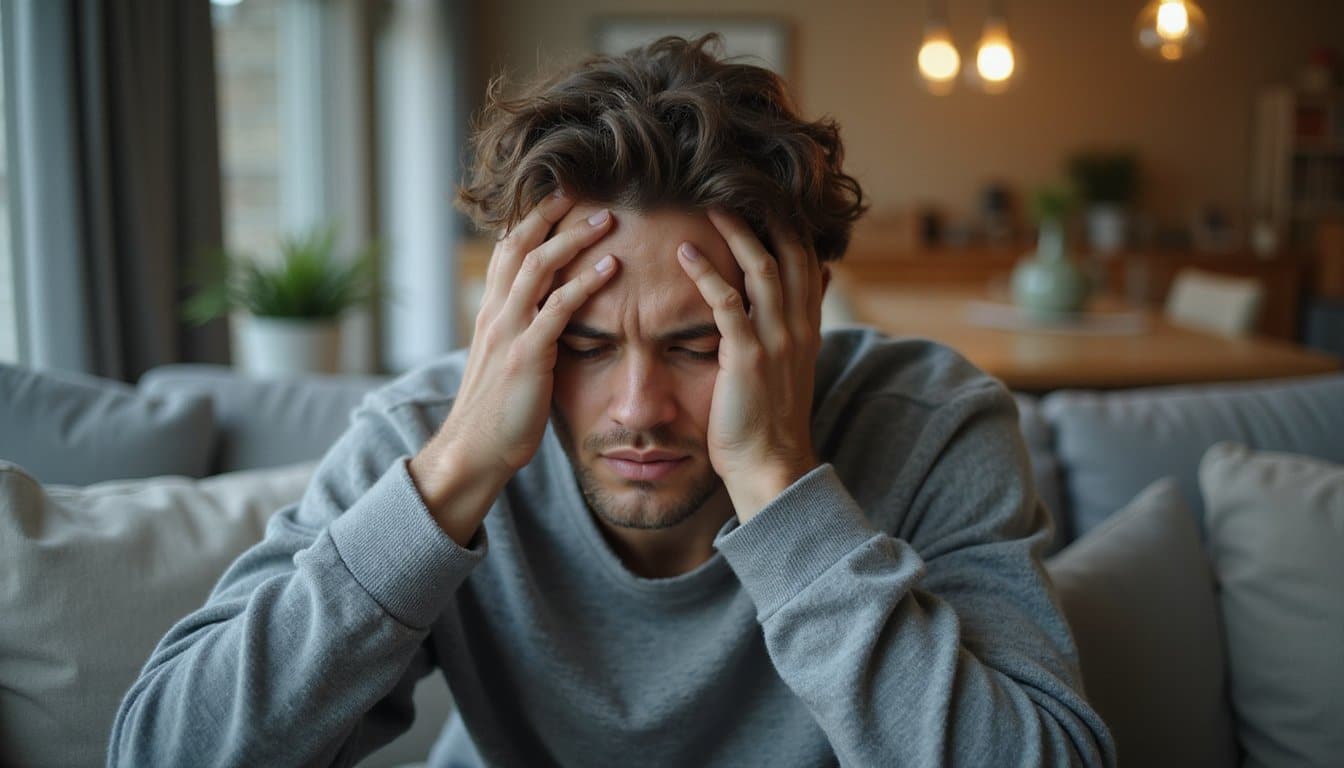
Stressful events don't just stack the odds against your recovery, they physically reshape how your brain processes reward. Chronic stress drains dopamine and serotonin, neurotransmitters essential for emotional balance and pleasure. As these levels drop, natural rewards like food, connection, and achievement lose their appeal. Your brain's reward thresholds progressively elevate, meaning you need more stimulation to feel even baseline satisfaction. This cumulative dysfunction doesn't reset between episodes; it compounds.
Simultaneously, your HPA axis becomes dysregulated, flooding your system with cortisol while feed-forward activation of the mesolimbic dopamine pathway sustains cravings. The result is an allostatic state where your reward system can't return to equilibrium. You're left in a neurobiological deficit that makes substances seem like the only viable source of relief, intensifying relapse vulnerability at its most fundamental level.
How Addiction Rewires Your Body's Stress Response
When you use substances chronically, your body's stress response doesn't just activate, it fundamentally changes how it operates. Repeated activation of your HPA axis leads to a state of chronic overactivation, flooding your system with heightened cortisol and stress hormones that alter the way your brain regulates mood and reward. Over time, this persistent overload can actually blunt your autonomic stress responses, leaving your body less capable of mounting a healthy, adaptive reaction when you face real-world stressors during recovery.
HPA Axis Chronic Activation
Although most people think of stress as a purely emotional experience, addiction physically rewires the body's stress response system, specifically the hypothalamic-pituitary-adrenal (HPA) axis. When you chronically use addictive substances, your HPA axis doesn't just activate temporarily, it stays engaged, progressively dysregulating your neurochemistry.
This chronic activation downregulates KCC2 expression, effectively reversing GABA's role from inhibitory to excitatory. Your brain's calming mechanism now fuels agitation instead. Simultaneously, heightened dopamine and norepinephrine heighten arousal and strengthen fear memories, creating a self-reinforcing cycle that drives further HPA activation.
Over time, this sustained stress signaling disrupts the balance of serotonin, glutamate, and other critical neurotransmitters. You're left with a blunted stress response that can't properly regulate emotions, making you more vulnerable to cravings and impulsive decisions that threaten your recovery.
Blunted Autonomic Stress Responses
The HPA axis isn't the only system addiction hijacks, your autonomic nervous system (ANS) undergoes a parallel and equally damaging shift. Chronic substance use pushes your ANS toward sympathetic nervous system dominance, locking you into a persistent fight-or-flight state. This means constant alertness, irritability, and an inability to downshift into calm.
Your body's stress reactivity becomes blunted, not because you're resilient, but because your system is exhausted. Chronic dysregulation of catecholaminergic pathways alongside HPA disruption leaves your autonomic responses flattened. Natural stress management feels nearly impossible, driving you toward substances for relief.
Recovery involves deliberately rebalancing your ANS toward greater parasympathetic activation. Through targeted therapy and stress-regulation practices, you can rebuild autonomic flexibility and reduce your vulnerability to relapse.
How to Manage Stress and Prevent Relapse
Because stress directly activates the same neural pathways that drive cravings, managing it effectively isn't optional during recovery, it's essential. You'll need a multi-layered approach that addresses both physiological and cognitive vulnerabilities. Start with foundational self-care: prioritize seven to eight hours of sleep nightly, maintain balanced nutrition, and exercise regularly to release endorphins that naturally regulate mood.
Incorporate evidence-based relaxation techniques like mindfulness meditation, which NCBI research links to greater craving acceptance and longer sobriety periods. Practice urge surfing and grounding exercises during acute stress. Use cognitive behavioral strategies to identify distorted thought patterns and replace them with realistic perspectives. Build a recovery-oriented support network through therapy, 12-step programs, or community groups. Create structured daily routines that minimize idle time and reinforce positive habits consistently.
Healing Begins With One Step
Millions of people face addiction every day, and what feels like something you can handle can slowly chip away at every part of your life. At Pinnacle Detox & Recovery, we offer a Dual Diagnosis Treatment program to provide the structure and support you need to take steps toward a healthier life. Call (626) 323-8629 today and step into the life you were meant to live.
Frequently Asked Questions
Can Medications Help Reduce Stress-Related Cravings During Addiction Recovery?
Yes, medications can help reduce stress-related cravings during your recovery. FDA-approved options like naltrexone, buprenorphine, and acamprosate work by stabilizing brain chemistry that's been disrupted by chronic substance use, easing cravings and withdrawal symptoms. When you combine these medications with behavioral therapies, you'll build stronger coping skills for managing stress without turning to substances. Your clinician can tailor a medication-assisted treatment plan that addresses your specific triggers and supports long-term sobriety.
How Long Does Stress-Related Relapse Vulnerability Typically Last After Treatment?
You're most vulnerable to stress-related relapse in the first 90 days after treatment, with 65% to 70% of relapses occurring during this window. The risk peaks sharply in the first month, 55% of first-year relapses happen then. However, stress doesn't stop affecting you after this period. Each stressful event you encounter can increase your risk of problematic use by 20% or more, even three years post-treatment.
Does Exercise Alone Provide Enough Stress Relief to Prevent Relapse?
Exercise alone doesn't provide enough stress relief to prevent relapse. While you'll benefit from the dopamine, serotonin, and endorphins that physical activity releases, you still need complementary strategies to build extensive coping skills. Combining exercise with mindfulness meditation, cognitive therapy, and structured routines addresses both your physiological stress responses and negative thinking patterns. You should also consult a clinician to determine appropriate activity levels and integrate mind-body relaxation techniques into your recovery plan.
Are Certain Personality Types More Susceptible to Stress-Induced Relapse Than Others?
Yes, certain personality profiles raise your risk. If you score high in neuroticism, you're more prone to anxiety and mood swings that drive self-medication under stress. High novelty-seeking and impulsivity make you more likely to act on cravings without weighing consequences. Low conscientiousness weakens your self-discipline, reducing your ability to resist urges. Understanding your personality profile helps your treatment team tailor strategies, like targeted emotional regulation and impulse-control techniques, that address your specific vulnerabilities.
Can Stress Cause Relapse Even After Years of Sustained Sobriety?
Yes, stress can trigger relapse even after years of sustained sobriety. Research shows that addiction functions as a chronic disease in remission, it's never fully cured. You're still vulnerable because your brain's stress and reward circuits remain interconnected. Medical crises, new trauma, or accumulated life stressors can reactivate cravings unexpectedly. Complacency and untreated emotional issues compound this risk. You'll benefit from maintaining active coping strategies and therapeutic support throughout your entire recovery journey.