
THC from vape pens metabolizes into 11-nor-9-carboxy-THC, which remains detectable in your system for varying durations depending on test type and usage patterns. You'll test positive on urine screens for 1-3 days after occasional use, 5-14 days with moderate consumption, or 30+ days if you're a chronic user. Saliva tests detect THC for 24-72 hours in light users, while blood tests identify recent consumption within 2-12 hours. Hair follicle analysis can reveal usage for up to 90 days. Below, you'll discover exactly how each testing method works and what factors affect your specific detection window.
Understanding THC Metabolism and Detection Basics
When THC enters your body through vaping, it triggers a complex metabolic cascade primarily orchestrated by liver enzymes from the cytochrome P450 family, particularly CYP2C9 and CYP3A4. These enzymes convert THC into 11-hydroxy-THC, a psychoactive compound, before further metabolizing it into 11-nor-9-carboxy-THC, the primary metabolite targeted in drug testing. Your weed oil metabolism differs greatly from smoked cannabis due to THC's lipophilic nature, it sequesters in adipose tissue, creating extended release patterns that affect your thc vape detection window. The thc vape half-life varies considerably: urinary excretion demonstrates a 30-60 hour half-life for THC-COOH, though chronic users experience prolonged detection due to tissue redistribution. The body eliminates cannabinoids through 65% in feces and 20% through urine, a distribution pattern that influences overall detection timelines. Within a single week, 80-90% of THC is excreted from your system following a single dose. Genetic variations in metabolic enzymes substantially impact clearance rates, with CYP2C9-deficient individuals showing 2-3x higher metabolite concentrations. Oral THC exposure increases 2-3 fold in people with reduced CYP2C9 function, which similarly affects vaping users who carry these genetic variations.
How Long THC Vapes Show Up on Urine Tests
Your urine test results depend on three primary variables: how often you vape THC, the metabolite concentration threshold used by the testing laboratory, and individual biological factors that influence drug clearance. Standard immunoassay screens detect THC-COOH metabolites at cutoff levels typically set at 50 ng/mL, meaning you'll test positive only when concentrations exceed this threshold. Detection windows range from 1, 3 days for first-time users to 30+ days for chronic daily consumers, with metabolism rate, body composition, and dosage amount considerably affecting elimination timelines. Blood tests identify recent cannabis consumption within a 2, 12 hour window after use, making them effective for detecting same-day or very recent THC exposure. Vape cartridges with 70-90% THC concentrations produce higher blood THC levels than traditional flower, which can extend how long metabolites remain detectable in urine samples.
Detection Windows by Usage Frequency
Because THC metabolites accumulate in fat tissue and clear at rates determined by usage patterns, your detection window on a urine test varies considerably based on how frequently you vape. Occasional users (1, 3 sessions) typically show THC vape cart detection for 1, 3 days, though sensitive tests may extend this to 7 days. Light to moderate users (2, 4 times weekly) face weed cartridge detection time of 5, 7 days, occasionally reaching 10, 14 days. Frequent users (daily consumption) usually test positive for 10, 15 days, with some cases extending to 30 days. Heavy chronic users may remain detectable for 30+ days, rarely approaching 2, 3 months. Your THC vape pen drug test results depend critically on metabolite buildup, body fat percentage, metabolism speed, and test sensitivity thresholds. Additionally, individual factors such as hydration levels, overall health, and diet can play a significant role in the duration of weed in your body.
THC Metabolite Cutoff Levels
Understanding cutoff levels clears up confusion about how urine tests determine positive or negative results for THC vape use. Federal standards set the initial screening at 50 ng/mL for THC-COOH metabolites, with confirmation at 15 ng/mL. When THC e-liquid in bloodstream metabolizes, resulting compounds accumulate in urine, but you'll only test positive if concentrations exceed these thresholds. THC vape body absorption produces identical metabolites as smoking, meaning vape vs smoking weed detection relies on the same cutoff standards. Labs use immunoassay screening followed by chromatographic confirmation to minimize false positives. Lower cutoffs like 20 ng/mL extend detection windows but increase sensitivity risks. Individual metabolism, hydration, and usage frequency determine whether your sample reaches cutoff levels, making results highly variable across users. The cutoff level helps filter out incidental contact or environmental exposure that might otherwise lead to unfair positive results. Urine specimens are measured in nanograms per milliliter to determine if controlled substance concentrations reach the positive threshold.
Factors Affecting Urine Results
Multiple biological and behavioral variables determine whether THC from vapes will trigger a positive urine test and for how long metabolites remain detectable. How long THC pen stays in your system depends primarily on usage frequency, metabolism rate, and body composition. Chronic users accumulate cannabinoid metabolites in adipose tissue, extending detection windows beyond 30 days, while occasional users typically clear within 3, 7 days.
Key factors influencing thc oil duration include:
- Metabolic efficiency: Liver enzyme variants accelerate or delay THC-COOH elimination
- Body fat percentage: Higher adiposity prolongs metabolite storage and gradual release
- Hydration status: Dilute urine may reduce metabolite concentration below cutoff thresholds
- Product potency: High-concentration oils increase baseline metabolite levels
Synthetic weed vape test results also reflect these variables, though synthetic cannabinoids require specialized screening panels distinct from standard THC assays. Urine tests specifically detect THC metabolites rather than the actual THC molecules themselves, which is why detection windows extend well beyond the period of active intoxication. Age can also influence detection time duration, as metabolic rates tend to decline with advancing years, potentially slowing the breakdown and elimination of cannabinoid compounds. Additionally, the effects of edibles and gummies can be particularly prolonged due to the way they are metabolized in the liver, resulting in a delayed onset and potentially stronger effects compared to other methods of consumption.
Saliva Test Detection Windows for Weed Pens
Saliva tests detect THC from vape pens for 24-72 hours in occasional users, but this window extends to 1-7 days for regular consumers due to cannabinoid accumulation in oral tissues. Your detection timeline depends on vaping frequency, product potency, and individual metabolism, heavy users may test positive beyond seven days while single-use scenarios typically clear within three days. Factors like saliva pH, hydration status, and test sensitivity thresholds (ranging from 2-12 ng/mL) directly influence whether you'll produce a positive result. Modern saliva tests demonstrate remarkable accuracy levels with a sensitivity of 79.4% and specificity of 98.3% when compared to blood testing methods. The straightforward collection process involves placing a swab inside your mouth, making it a practical solution that can be performed in workplaces, roadside testing sites, or treatment facilities without specialized equipment. Actions like washing your mouth or consuming food and drink can potentially reduce the amount of detectable THC residues in your saliva sample.
Typical Saliva Detection Timeline
Detection peaks within the first 12 hours, then declines rapidly. Modern saliva tests achieve 94% accuracy at thresholds as low as 2 ng/mL, making them highly effective for identifying recent consumption.
Key timeline markers include:
- 0-12 hours: Highest THC concentration in oral cavity
- 24-72 hours: Standard detection window for light users
- 3-5 days: Extended range for moderate consumption patterns
- 5-7 days: Maximum window for frequent users
Test sensitivity and individual metabolism create variability in precise detection duration. Vaping or smoking causes THC to appear almost instantly in saliva, whereas edibles result in delayed detection due to slower absorption through the digestive system.
Heavy Use Detection Duration
Heavy or chronic weed pen users face markedly longer saliva detection windows than occasional consumers. If you vape THC 3, 4 times per week, detection extends from the standard 72-hour window to 5, 7 days. Chronic consumption produces 77% positive test rates in standardized screening, compared to just 39% for light users. Higher THC concentrations from frequent vaping increase residual oral levels, prolonging detection. Modern saliva tests achieve 79.4% sensitivity and 98.3% specificity at cutoffs of ≥2 ng/ml THC. THC accumulation in fatty tissues delays metabolite elimination, though saliva clearance remains faster than urine or hair. Individual factors, metabolic rate, body fat percentage, saliva flow, and oral hygiene, significantly influence your detection timeline, making precise prediction challenging for heavy users. Blood tests represent the shortest detection method, identifying THC for only a few hours after consumption.
Factors Affecting Oral Tests
When you vape THC, multiple biological and environmental variables converge to determine how long saliva tests can detect cannabinoids in your oral cavity. Your metabolic rate directly influences elimination speed, while body fat percentage affects THC redistribution from lipid stores back into saliva. Hydration status and natural saliva flow rate alter cannabinoid concentration levels, with higher flow potentially reducing detectable amounts.
Testing accuracy depends on several technical parameters:
- Cutoff thresholds ranging from 2-12 ng/mL determine positive results
- Detection sensitivity reaches 94% with specificity up to 98% in modern devices
- Swabbing technique and thorough oral cavity sampling considerably impact accuracy
- Time elapsed since last use remains the most critical variable for detection reliability
Oral hygiene practices post-consumption, including mouthwashing and eating, may temporarily reduce detectable THC residues in your mouth.
Blood Test Results: Detecting Recent THC Vape Use
Blood tests measure active THC (delta-9-tetrahydrocannabinol) circulating in your bloodstream, making them the most reliable method for confirming very recent cannabis vaping or current impairment. Detection typically occurs within 2, 12 hours post-use for most individuals. If you're an occasional user, THC rarely remains detectable beyond 12, 24 hours, with over 90% of single-use cases clearing within 24 hours. Chronic users face extended detection windows, up to 7 days in common cases, rarely reaching 30 days in extreme scenarios due to THC accumulation in fat tissues and gradual release into circulation. Your metabolism, body fat percentage, dose consumed, and usage frequency directly influence clearance rates. The sensitivity of the test method itself can also affect whether trace amounts of THC metabolites are detected, potentially extending the detection period in some cases. Blood testing cannot determine exact timing or quantity consumed, but positive results generally indicate use within the preceding 12 hours for infrequent users.
Hair Follicle Testing and Long-Term Detection
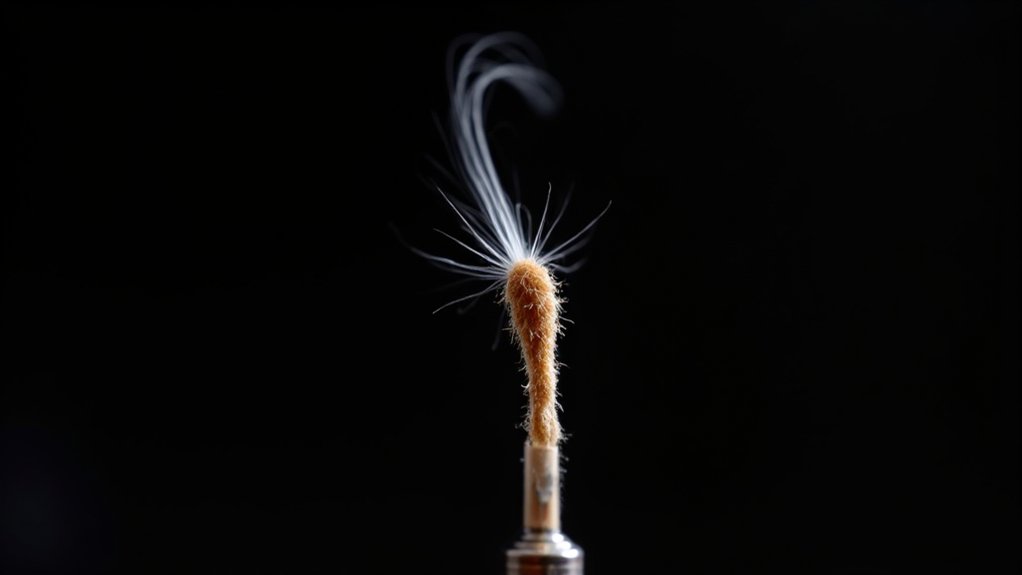
Unlike blood or urine tests that detect recent cannabis use, hair follicle testing identifies THC metabolites embedded in your hair shaft for up to 90 days after consumption. The standard 1.5-inch hair sample from your scalp reflects approximately three months of exposure. However, detection won't occur until 7, 10 days post-use, as metabolites require time to incorporate into growing hair.
Hair testing reveals cannabis use for 90 days, but metabolites need 7, 10 days to appear in your growing hair shaft.
Your hair characteristics profoundly influence detection accuracy:
- Melanin-rich, darker hair binds more THC metabolites, increasing detection sensitivity
- Curly or coarse hair textures retain higher cannabinoid concentrations than straight hair
- Chemical treatments like bleaching reduce detectable levels but don't eliminate them
- Body hair samples extend detection windows to 12 months due to slower growth rates
Initial immunoassay screening (0.1 ng/mg cutoff) followed by GC-MS confirmation (0.0002 ng/mg THC-COOH) minimizes false positives while maintaining reliable retrospective detection.
What Influences How Long THC Stays in Your System
Your body's elimination of THC metabolites varies appreciably based on multiple interconnected physiological and behavioral factors. Individual metabolism rates, body composition, and usage patterns drastically influence detection windows. Fat-soluble THC accumulates in adipose tissue, extending clearance time in individuals with higher body fat percentages. Metabolic efficiency, influenced by genetic variability and age-related changes, determines how rapidly your liver converts THC into 11-OH-THC and subsequently into 11-COOH-THC, the primary metabolite targeted in standard testing protocols.
| Factor Category | Primary Influences | Detection Impact |
|---|---|---|
| Physiological | Body fat %, metabolism, age | 3-30+ days variation |
| Usage Pattern | Frequency, THC concentration | Daily use extends tremendously |
| Metabolic | Liver function, genetics, hydration | Individual processing rates |
| Behavioral | Physical activity, diet, stress | Moderate influence |
| Testing Variables | Method sensitivity, cut-off levels | Detection threshold differences |
Gender differences, hormonal fluctuations, and overall health status further modulate THC processing efficiency and elimination kinetics.
Detection Differences Between Vape Oils, Carts, and Wax Pens
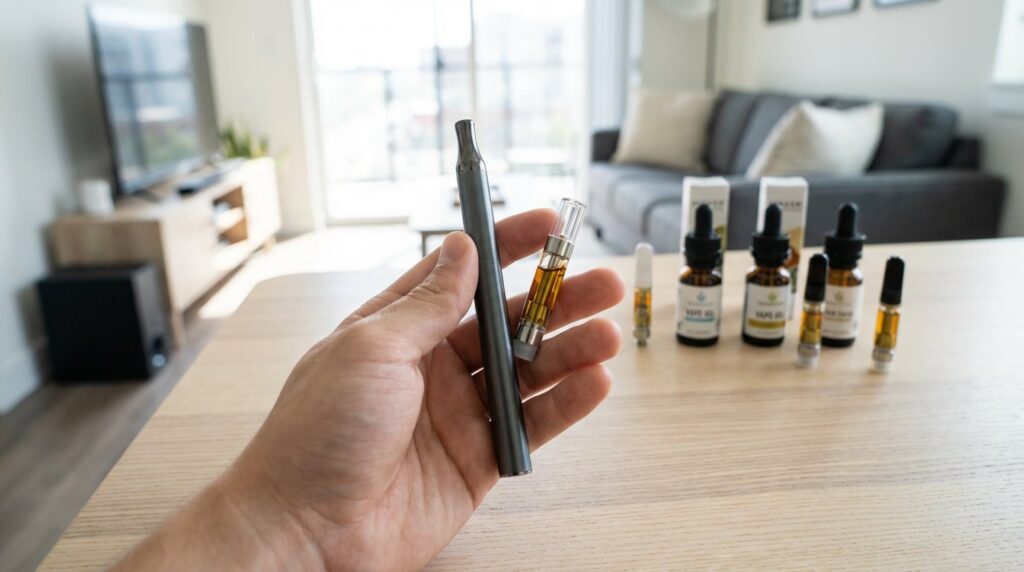
THC concentrates, whether consumed through vape oils, cartridges, or wax pens, share remarkably similar detection windows despite perceived differences among users. The concentrate format doesn't substantially alter metabolite retention; rather, your total THC exposure and frequency of use determine detection duration.
Key detection factors across concentrate types:
- Vape cartridges and wax pens deliver higher THC concentrations than flower, potentially extending detection windows through increased metabolite accumulation
- Urine immunoassays demonstrate equal sensitivity for oils, carts, and wax, typically detecting metabolites for 3, 30+ days depending on usage patterns
- Blood and saliva tests show shorter detection periods (2, 12 hours and 1, 3 days respectively) regardless of concentrate format
- Hair follicle analysis captures 90-day exposure history irrespective of whether you've used oils, cartridges, or wax
Your dose and consumption regularity matter more than concentrate type.
Comparing Detection Times: Infrequent vs. Heavy Users
When comparing detection windows, frequency of use creates the most dramatic variation in how long THC metabolites remain detectable across all testing methods. If you're an infrequent user, urine tests detect THC for 3, 7 days, blood tests for 1, 2 days, and saliva tests for 24, 72 hours. Heavy users face substantially extended windows: urine tests remain positive for 10, 30+ days (occasionally up to 90 days), blood tests for up to one month, and saliva tests for up to one month. This difference stems from THC accumulation in fat cells. Chronic use increases stored metabolites, which release slowly over extended periods. Your metabolic rate, body composition, and THC concentration further influence these timelines, but usage frequency remains the primary determinant of detection duration across all biological samples.
Preparing for Drug Tests After Using THC Vapes
If you're facing an upcoming drug test after vaping THC, understanding the detection windows and preparation strategies becomes critical to managing expectations and outcomes. The most effective approach remains complete abstinence for at least 30 days before testing, particularly for chronic users. While no method reliably accelerates THC elimination, evidence-based steps may support natural clearance:
No method reliably speeds THC elimination, abstinence for at least 30 days remains the only proven strategy for chronic users.
- Cease all THC use immediately: Stopping consumption is the only proven strategy to reduce detection risk
- Maintain proper hydration: Adequate fluid intake may help dilute metabolites, though excessive water can flag tests as suspicious
- Consider exercise cautiously: Physical activity increases fat metabolism but may temporarily elevate THC levels in blood and urine
- Avoid detox products: Commercial cleanses lack scientific validation and won't guarantee negative results
Time remains your most reliable ally.
Frequently Asked Questions
Can Secondhand THC Vape Smoke Cause Me to Fail a Drug Test?
You're extremely unlikely to fail a drug test from secondhand THC vape smoke under normal conditions. While detectable THC can appear in blood or urine after passive exposure, typical levels are about 100 times lower than active use. You'd need prolonged exposure in an unventilated space to risk a positive result. Most secondhand THC clears within hours, and standard workplace tests won't detect casual, brief exposure. Extreme scenarios pose minimal risk.
Do CBD Vapes With Trace THC Show up on Drug Tests?
CBD vapes containing trace THC can trigger positive drug tests, though risk depends on product quality and usage patterns. Full-spectrum CBD products pose higher contamination risk than pure isolates. If you're consuming 20-30 mg daily from third-party tested products with <0.3% THC, detection likelihood remains minimal. However, higher doses (500 mg daily) combined with frequent use greatly increase positive result probability. Choose CBD isolate products and allow two weeks before testing to ascertain metabolite clearance.
Will Drinking Water Help Flush THC From Vapes Out Faster?
No, drinking water won't noticeably accelerate THC elimination from your system after vaping. While hydration supports kidney and liver function, THC metabolites are stored in fat tissue and released based on your metabolism, body composition, and usage frequency, not fluid intake. Excessive water consumption may temporarily dilute urine samples, potentially lowering detectable THC concentrations, but labs often flag diluted specimens as suspicious. Time, cessation of use, and your natural metabolic rate remain the most reliable factors for clearing THC.
Can Detox Drinks Guarantee Passing a Drug Test After Vaping THC?
No, detox drinks cannot guarantee you'll pass a drug test after vaping THC. While they may temporarily dilute urine and reduce metabolite concentration, labs often detect dilution through creatinine and color checks. THC stored in your fat cells requires time to metabolize naturally, detox drinks don't accelerate this process. Your metabolism, usage frequency, and THC levels remain the primary factors. Only complete abstinence with sufficient time offers reliable clearance for testing purposes.
Do Drug Tests Distinguish Between Legal and Illegal THC Vape Products?
No, standard drug tests can't distinguish between legal and illegal THC vape products. Both hemp-derived (≤0.3% delta-9 THC) and marijuana-derived vapes metabolize into identical compounds, primarily THC-COOH, producing the same positive results. Tests detect cannabinoid metabolites, not product origin or legal status. Even confirmatory methods like gas chromatography/mass spectrometry identify only chemical compounds, not source. You'll need documentation like product lab reports or purchase records to demonstrate legality; the test result alone won't differentiate compliant from prohibited products.