THC metabolites remain detectable in your urine for 3 days after single use, 5-7 days with
moderate weekly consumption, 10-15 days for daily users, and up to 77 days following heavy multiple-daily use. Your
detection window depends on genetic enzyme polymorphisms, body fat percentage, metabolic rate, and liver function. Standard
immunoassays use a 50 ng/mL cutoff for THC-COOH, while
confirmatory GC-MS testing identifies the carboxy metabolite at 15 ng/mL. Understanding how hydration, exercise, and accumulated cannabinoid storage influence your results can help you interpret test outcomes more accurately. In addition to urine tests,
blood and hair tests offer alternative methods for detecting THC and its metabolites, each with distinct detection timelines.
Detection Windows: How Long THC Shows Up Based on Usage Patterns
Detection windows for
THC metabolites vary substantially based on
consumption frequency, with
single-use exposure producing markedly shorter
detection periods than chronic patterns. If you've used cannabis once, the
thc urine test time frame typically extends up to 3 days post-consumption. Moderate users, consuming several times weekly, can expect thc metabolites in urine to remain detectable for 5, 7 days. Chronic daily users face extensively extended windows of 10, 15 days, potentially reaching 30 days. Heavy multiple-daily consumers may test positive beyond 30 days, with documented cases showing detection up to 77 days. The
method of consumption also influences detection duration, as ingested cannabis may remain in the system slightly longer than smoked cannabis due to differences in metabolization. These windows expand when using lower
cutoff thresholds; standard screens employ 50 ng/mL limits, while sensitive assays at 20, 25 ng/mL or below can identify metabolites considerably longer across all usage categories.
Cut-off levels are brand-specific and vary between different test manufacturers, which can affect whether a test result appears positive or negative. Research demonstrates that
THC and 11-OH-THC can persist in urine for at least 24 days in chronic cannabis users, even when measured at a 2.5 ng/mL quantification limit under monitored abstinence conditions.
Body Chemistry and Metabolism: Why Detection Times Vary Between Individuals
While
usage patterns provide a general framework for predicting THC detection windows,
individual body chemistry creates substantial variability that can extend or shorten these timelines by weeks.
Genetic polymorphisms in cytochrome P450 enzymes, particularly
CYP2C9 and CYP3A4, determine your THC metabolism rate. Faster metabolizers clear metabolites rapidly, while slower variants retain THC-COOH for extended periods. Your
body composition considerably influences detection duration since THC's lipophilic nature causes accumulation in adipose tissue. Higher body fat percentages increase storage capacity, prolonging urinary excretion as metabolites leach gradually. Conversely, lean individuals clear THC faster due to reduced sequestration.
Hydration status affects
metabolite concentration at sample collection, while basal metabolic rate, physical activity, and liver function modulate elimination kinetics. The
two-part urine test detects delta-9-tetrahydrocannabinol and its metabolites, making it a reliable method for identifying marijuana use across these varied biological conditions. These biological variables explain why identical consumption patterns produce markedly different urine test results. The body eliminates the majority of THC through
feces and urine, with approximately 65% excreted in feces and 20% in urine within five days of consumption.
The
thc metabolic process urine follows a specific pathway. Your body first converts THC into
11-OH-THC, a psychoactive intermediate, then into
THC-COOH for excretion. Standard immunoassay tests use a
50 ng/mL cutoff for THC-COOH. Confirmatory methods like GC-MS eliminate false positives by precisely identifying this carboxy metabolite, ensuring results reflect actual cannabis exposure rather than cross-reactive substances. Unlike blood or saliva tests that indicate recent use,
urine tests identify the presence of cannabis metabolites rather than measuring current impairment levels.
Cannabinoids are lipophilic compounds that store in fat tissue, which explains why they have a long elimination half-life compared to water-soluble substances. A
positive urine result does not document impairment or indicate when cannabis was actually consumed.
Testing Thresholds and Methods: Understanding Cutoff Levels and Accuracy
| Testing Method |
Screening Cutoff |
Confirmatory Cutoff |
| Federal Standard |
50 ng/mL |
15 ng/mL |
| Research/Legal |
20 ng/mL |
5 ng/mL |
| Specialty Labs |
Variable |
Variable |
Lower cutoffs (20 ng/mL/5 ng/mL) yield 88% sensitivity and 94% specificity versus standard thresholds at 47% sensitivity and 91% specificity. Certified laboratories guarantee procedural compliance through specimen validity testing and HHS/DOT certification protocols. Laboratories employ a
two-part testing process where initial screening identifies and removes negative specimens before conducting confirmatory tests on samples that detect controlled substances. Confirmatory methods utilize
chromatography-mass spectrometry techniques such as GC-MS or LC-MS/MS to definitively identify and quantify drug metabolites. The duration that substances remain detectable in the body varies widely among individuals and depends on several factors, including frequency of use, metabolism, and the type of substance. For instance, when considering
how long weed stays in system, occasional users may clear it faster than chronic users, who might show positive results even weeks after last use.
Factors That Can Influence Your Test Results: From Hydration to Exercise
Several physiological and behavioral variables can substantially alter
THC metabolite concentrations detected in urine, complicating result interpretation even when testing protocols remain constant. Your
hydration status directly affects metabolite dilution, increased fluid intake lowers measurable concentrations, potentially yielding false negatives, while dehydration concentrates urine, heightening readings. Laboratories use
creatinine normalization to adjust for dilution, though heavily diluted samples may be flagged. Your
body composition and
metabolism greatly influence
detection windows: THC's lipophilic nature causes accumulation in adipose tissue, so higher body fat prolongs excretion. Conversely, increased metabolic rates accelerate clearance. Intense exercise can temporarily spike urinary metabolites by mobilizing fat stores.
Chronic users face extended detection periods, up to 30 days, due to accumulated THC reserves, whereas occasional users typically clear metabolites within 3, 7 days. The
amount of THC consumed plays a critical role in detection duration, with higher consumption levels and stronger marijuana products remaining detectable for longer periods. Standard urinalysis focuses on
THC metabolites rather than the psychoactive Delta-9 THC itself, providing an incomplete picture of recent cannabis use.
Immunoassay screening tests used in many clinical settings lack specificity and may produce false-positive results that require confirmation through more accurate chromatographic methods.
Frequently Asked Questions
Can Secondhand Marijuana Smoke Cause a Positive Urine Test?
Under typical circumstances, you won't test positive from
secondhand marijuana smoke. Standard urine tests use a
50 ng/mL cutoff threshold, which secondhand exposure rarely exceeds. You'd need extreme, prolonged exposure in an unventilated, enclosed space for detectable
THC-COOH levels. Even then, metabolites clear within 12, 32 hours using commercial tests. Ventilation, proximity, and exposure duration affect risk, but
peer-reviewed research confirms passive exposure is approximately 100 times less potent than direct consumption.
Do Detox Drinks or Supplements Actually Help Pass THC Urine Tests?
No,
detox drinks don't reliably help you pass THC urine tests. There's no
scientific evidence they accelerate THC-COOH elimination beyond temporary dilution effects. While excessive fluid intake may reduce metabolite concentration temporarily, modern tests measure creatinine levels and specific gravity to detect dilution, flagging
abnormal samples. These products can't alter your body's natural detoxification timeline and may cause adverse effects like
electrolyte imbalances or gastrointestinal upset. They're ineffective and potentially risky.
Will Using CBD Products Trigger a Positive THC Urine Test Result?
You're unlikely to test positive if you use pure CBD isolate, but
full-spectrum CBD products containing up to 0.3% THC can trigger positive results. Studies show
50% of users testing positive after four weeks of full-spectrum use. Since many CBD products are mislabeled, only one-third match label claims, you risk unexpected THC exposure. Urine tests detect
THC-COOH metabolites at 15 ng/mL, not CBD itself. Always verify product purity through certificates of analysis before workplace testing.
Can I Dispute or Request a Retest if My Result Is Positive?
Yes, you can
dispute a positive THC urine test by requesting a
retest of your original sample or an independent confirmatory test using
GC-MS or
HPLC methods. Contact your testing authority or employer immediately to initiate dispute procedures, as protocols vary by jurisdiction and organizational policy. You'll need documentation including test reports, medication records, and product Certificates of Analysis. Confirmatory testing resolves most false positives, though employers retain discretion regarding final outcomes.
How Accurate Are At-Home THC Urine Testing Kits Compared to Lab Tests?
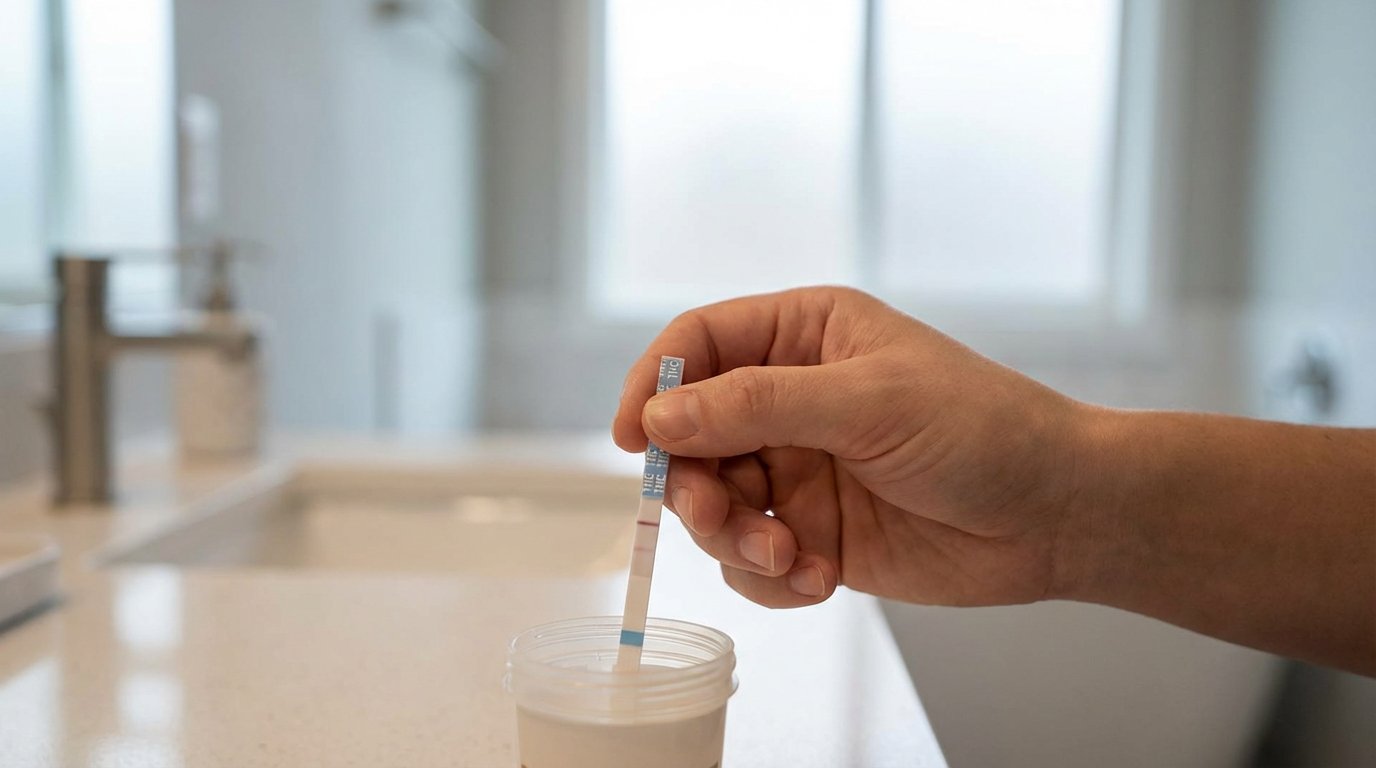
At-home THC urine kits typically achieve
90, 99% accuracy when you use FDA-cleared products correctly, but they're more prone to
false positives and negatives than lab tests. Professional laboratories employ gas chromatography-mass spectrometry (GC-MS), detecting lower THC-COOH concentrations with greater precision. Your results can be compromised by improper storage, hydration status, or medication interference. For employment or legal purposes, you'll need laboratory confirmation, home kits serve best as
preliminary screening tools, not definitive diagnostic methods.

 Detection windows for THC metabolites vary substantially based on consumption frequency, with single-use exposure producing markedly shorter detection periods than chronic patterns. If you've used cannabis once, the thc urine test time frame typically extends up to 3 days post-consumption. Moderate users, consuming several times weekly, can expect thc metabolites in urine to remain detectable for 5, 7 days. Chronic daily users face extensively extended windows of 10, 15 days, potentially reaching 30 days. Heavy multiple-daily consumers may test positive beyond 30 days, with documented cases showing detection up to 77 days. The method of consumption also influences detection duration, as ingested cannabis may remain in the system slightly longer than smoked cannabis due to differences in metabolization. These windows expand when using lower cutoff thresholds; standard screens employ 50 ng/mL limits, while sensitive assays at 20, 25 ng/mL or below can identify metabolites considerably longer across all usage categories. Cut-off levels are brand-specific and vary between different test manufacturers, which can affect whether a test result appears positive or negative. Research demonstrates that THC and 11-OH-THC can persist in urine for at least 24 days in chronic cannabis users, even when measured at a 2.5 ng/mL quantification limit under monitored abstinence conditions.
 The thc metabolic process urine follows a specific pathway. Your body first converts THC into 11-OH-THC, a psychoactive intermediate, then into THC-COOH for excretion. Standard immunoassay tests use a 50 ng/mL cutoff for THC-COOH. Confirmatory methods like GC-MS eliminate false positives by precisely identifying this carboxy metabolite, ensuring results reflect actual cannabis exposure rather than cross-reactive substances. Unlike blood or saliva tests that indicate recent use, urine tests identify the presence of cannabis metabolites rather than measuring current impairment levels. Cannabinoids are lipophilic compounds that store in fat tissue, which explains why they have a long elimination half-life compared to water-soluble substances. A positive urine result does not document impairment or indicate when cannabis was actually consumed.
 Several physiological and behavioral variables can substantially alter THC metabolite concentrations detected in urine, complicating result interpretation even when testing protocols remain constant. Your hydration status directly affects metabolite dilution, increased fluid intake lowers measurable concentrations, potentially yielding false negatives, while dehydration concentrates urine, heightening readings. Laboratories use creatinine normalization to adjust for dilution, though heavily diluted samples may be flagged. Your body composition and metabolism greatly influence detection windows: THC's lipophilic nature causes accumulation in adipose tissue, so higher body fat prolongs excretion. Conversely, increased metabolic rates accelerate clearance. Intense exercise can temporarily spike urinary metabolites by mobilizing fat stores. Chronic users face extended detection periods, up to 30 days, due to accumulated THC reserves, whereas occasional users typically clear metabolites within 3, 7 days. The amount of THC consumed plays a critical role in detection duration, with higher consumption levels and stronger marijuana products remaining detectable for longer periods. Standard urinalysis focuses on THC metabolites rather than the psychoactive Delta-9 THC itself, providing an incomplete picture of recent cannabis use. Immunoassay screening tests used in many clinical settings lack specificity and may produce false-positive results that require confirmation through more accurate chromatographic methods.