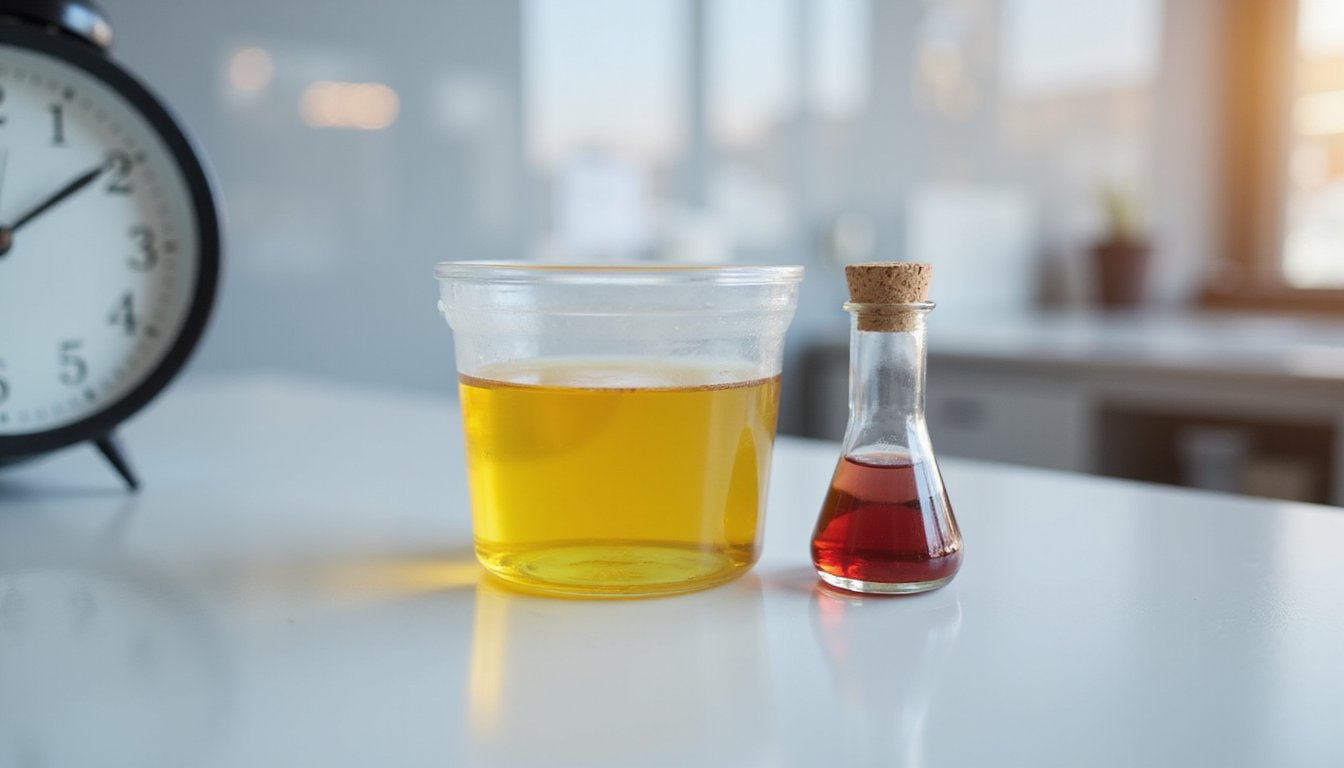
Alcohol won't automatically appear on your
workplace drug test unless your employer specifically requests it. Standard panels typically screen for illicit substances, not alcohol. However,
DOT-regulated positions require
breath alcohol testing alongside drug screening. If alcohol testing is included, detection windows vary, breathalyzers catch impairment within 24 hours, while
EtG urine tests can identify metabolites up to 80 hours post-consumption. Understanding your employer's testing policies and your legal rights will help you navigate this process confidently.
Yes, Alcohol Can Show Up on a Drug Test
When employers screen for
substance use, alcohol detection depends entirely on the testing method and timing. A
breathalyzer measures your
blood alcohol concentration in real time, providing immediate results. Blood tests offer high accuracy for detecting current intoxication levels. Saliva tests identify ethanol presence within 24 hours of consumption through
non-invasive collection. For
workplace drug test protocols, urine screening remains common due to cost efficiency. Standard urine tests detect
alcohol metabolites for up to 48 hours. However, EtG (ethyl glucuronide) testing extends detection windows extensively, identifying alcohol consumption for up to 80 hours post-drinking. This metabolite-based approach reveals recent use even after alcohol leaves your bloodstream. Your employer's chosen method determines whether that drink shows up during screening. Many companies include
post-accident alcohol testing in employee contracts to investigate whether workers involved in workplace incidents were under the influence.
Which Drug Tests Include Alcohol Screening?
How alcohol testing appears in
workplace screening depends on your employer's policies, industry regulations, and the specific circumstances triggering the test. Standard drug panels don't automatically include alcohol, but employers can request additional screening. Different types of testing can detect alcohol, including blood and breath tests, which specifically measure its presence in the system. Understanding whether
do standard drug test detect alcohol is essential for employees to know what to expect during screening. This awareness can also help in making informed decisions about alcohol consumption in the workplace. DOT-regulated positions require
breath alcohol tests alongside drug screening under 49 CFR Part 40. Your employer must conduct these tests pre-employment, randomly, and post-accident. A
positive result for elevated blood alcohol concentration triggers immediate consequences. For
non-DOT roles, do drug screenings include alcohol? Only if specifically requested. Employers may add
urine EtG tests to detect alcohol metabolites up to five days after you metabolize your last drink. Breathalyzers check current impairment but miss consumption beyond 24 hours.
Post-accident and reasonable suspicion scenarios commonly warrant alcohol on drug screening protocols. If you dispute your results, the
MRO can review the findings and authorize a retest when appropriate. For non-DOT roles, do drug screenings include alcohol? Only if specifically requested. Employers may add urine EtG tests to detect alcohol metabolites up to five days after you metabolize your last drink, while breathalyzers check current impairment but typically miss consumption beyond 24 hours. Post-accident and reasonable suspicion scenarios commonly warrant alcohol inclusion in drug screening protocols, and if you dispute your results, the MRO can review the findings and authorize a retest when appropriate. In a different medical context,
how is fetal alcohol syndrome tested involves clinical evaluation, developmental assessments, and medical history review rather than workplace drug screening methods.
How Long Can a Drug Test Detect Alcohol?
Each testing method offers a distinct
detection window for alcohol, ranging from hours to days depending on what the test measures.
Blood tests detect alcohol use within 6, 12 hours, while
breath tests screen for alcohol impairment up to 12, 24 hours post-consumption. DOT compliance requires breath testing within 2, 8 hours. Urine ethanol tests identify alcohol consumption within 12, 24 hours, making them standard for workplace drug testing. However, urine metabolite tests measuring
EtG and EtS extend detection to 24, 72 hours, sometimes reaching 80 hours after heavy drinking.
Saliva tests offer a 6, 24 hour detection window for quick workplace testing scenarios. Your detection window depends on consumption levels, metabolism, and the specific test your employer administers. Timing is especially critical since
alcohol leaves the body at roughly 0.015 BAC per hour, which can affect whether impairment is still detectable when testing occurs.
Why Alcohol Clears Faster in Some People
Your body's alcohol elimination rate depends heavily on genetic variations in two key enzyme families: alcohol dehydrogenase (ADH) and aldehyde dehydrogenase (ALDH). These enzymes convert ethanol to acetaldehyde, then to acetic acid using NAD+ as a coenzyme. Genetic variants like ADH1B*2 accelerate metabolism, while ALDH2*2 decelerates acetaldehyde clearance.
| Factor |
Impact on Alcohol Clearance |
| ADH1B*2/ADH1B*3 variants |
Faster ethanol oxidation |
| ALDH2*2 variant |
Slower acetaldehyde elimination |
Sex-based differences also affect enzyme activity. Males express ADH7 protein in the stomach, metabolizing approximately 30% of alcohol before absorption. Females lack this gastric expression, reducing first-pass metabolism and increasing sensitivity. These genetic factors contribute to approximately 50% of alcohol use disorder risk, making some individuals more vulnerable to prolonged detection windows on workplace tests.
When Can Your Employer Legally Test for Alcohol?
Your employer's legal authority to test you for alcohol depends on
federal regulations,
state laws, and the specific circumstances prompting the test. Whether you're applying for a job, exhibiting signs of impairment, or involved in a
workplace accident, different rules govern when and how testing can occur. Understanding these distinctions helps you know your rights and what to expect if you're asked to submit to an alcohol screening.
Pre-Employment Testing Rules
Most private employers aren't federally required to conduct pre-employment alcohol testing, but specific regulations govern safety-sensitive industries. Under DOT regulations, FMCSA mandates CDL drivers receive negative drug test results before operating commercial motor vehicles. Pre-employment testing requirements apply to new hires, transfers into CDL positions, and drivers absent from DOT programs over 30 days.
| Requirement |
DOT-Regulated Employers |
Private Employers |
| Pre-employment testing |
Mandatory for safety-sensitive positions |
Optional |
| Chain-of-custody procedures |
Required under Part 40 |
State-dependent |
| Drug-free workplace policy |
Federally mandated |
Recommended |
You should know that workplace drug testing policies must be documented in writing before testing occurs. If you're applying for positions involving alcohol testing, employers can't refuse hire based solely on unverified positive results.
Reasonable Suspicion Situations
Beyond
pre-employment screening, employers can legally test you for alcohol when they have
reasonable suspicion of impairment. This testing authority stems from federal regulations like 49 CFR § 382.307 and state-specific policies that prioritize workplace safety. Reasonable suspicion requires documented,
observable indicators, not assumptions. Your employer must identify specific signs:
slurred speech,
unsteady movements,
alcohol odor on your breath, or
erratic behavior patterns. These observations can't come from gossip; they must be firsthand. Most workplace procedures require two supervisory officials to confirm the impairment indicators before testing proceeds. Documentation must include objective, articulable facts supporting the suspicion. Your employer's policies should outline clear testing procedures, consent requirements, and consequences for refusal. DOT-regulated industries mandate supervisor training to recognize impairment signs, ensuring consistent application of reasonable suspicion standards across safety-sensitive positions.
Post-Accident Testing Rights
When an
accident occurs at your workplace, your
employer's authority to test for alcohol depends on
federal regulations, industry classification, and specific incident circumstances. Under
DOT rules, commercial drivers must complete
alcohol testing within 8 hours of qualifying accidents involving fatalities, citations with medical treatment, or towable vehicle damage. Refusal consequences in DOT-regulated settings equal a positive test result. OSHA regulations prohibit blanket post-accident testing policies designed to discourage injury reporting. However, testing remains permitted when
reasonable suspicion exists that alcohol contributed to the incident. Your employer must test all employees whose conduct may have contributed, not just the injured worker. For workplace safety and workers' compensation eligibility,
policy best practices require consistent enforcement across all incidents. Non-regulated employers should document reasonable belief before testing to maintain legal defensibility.
What Happens If You Fail a Workplace Alcohol Test?
If you fail a
workplace alcohol test, you'll face immediate consequences that range from
suspension to termination, depending on your employer's policies and whether you work in a
DOT-regulated position. Federal regulations require employees in safety-sensitive roles to complete a
Substance Abuse Professional evaluation and treatment program before returning to duty. Understanding both the potential employment consequences and the mandatory return-to-duty requirements can help you navigate this process and protect your career.
Potential Employment Consequences
Failing a
workplace alcohol test triggers
immediate consequences that vary based on your industry, employer policies, and state regulations. In
safety-sensitive positions, you'll face immediate removal from duties if you're impaired or test at 0.04+ blood alcohol content under DOT drug and alcohol testing requirements. Your workplace may enforce
zero-tolerance policies resulting in termination, particularly if state law permits. However, some states offer protections, Vermont and Minnesota prohibit firing for first-time failures if you agree to rehabilitation. California employers with over 25 employees must provide
reasonable accommodation for substance abuse issues. Alternatives to termination include mandatory enrollment in an
employee assistance program, counseling, or treatment completion before returning to work. Understanding these discipline protocols and potential legal consequences helps you navigate the process if you face a
positive test result.
Return-to-Duty Requirements
A positive alcohol test in a DOT-regulated position triggers a mandatory return-to-duty process before you can resume safety-sensitive functions. You must first complete an evaluation with a substance abuse professional (SAP), who determines your treatment program requirements. After finishing the recommended treatment, you'll undergo a return-to-duty alcohol test under direct observation, requiring an alcohol concentration below 0.02% BAC for clearance.
| Requirement |
Standard |
| BAC Threshold |
Below 0.02% |
| Minimum Follow-Up Tests |
6 in 12 months |
| Maximum Testing Period |
Up to 60 months |
| Reporting |
FMCSA Clearinghouse |
Following your return, regulatory requirements mandate unannounced follow-up testing, at least six tests during your first year. Your SAP may extend this period based on your circumstances. All results are reported to the Clearinghouse, maintaining accountability throughout your recovery.
Know Your Rights: Pre-Employment vs. On-the-Job Testing
Understanding your rights during
workplace alcohol testing requires recognizing the distinct legal frameworks governing
pre-employment and on-the-job screening.
Pre-employment testing must occur as a
post-offer requirement, meaning employers can't selectively screen candidates. Federal regulations mandate
equal testing for all applicants, with clear disclosure of procedures and consequences. Detection windows vary considerably across testing methods. Urine tests using
EtG/EtS technology detect alcohol metabolites for up to 80 hours, while breath tests measure real-time impairment. Saliva tests identify consumption within 24 hours, and PEth blood tests reveal heavy drinking patterns spanning weeks. You should know that alcohol consumption can trigger
false positives for other substances, potentially jeopardizing job offers. Employers often combine multiple testing methods to confirm accuracy. Understanding these protocols safeguards you from unexpected consequences during the screening process.
does alcohol cause you to fail a drug test is a common concern among employees in high-stakes jobs. Even if alcohol itself is not typically screened for, its metabolites can sometimes lead to misinterpretations in drug tests. Being aware of this possibility helps you navigate workplace expectations and maintain your professional standing.
Alcohol Testing Rules for DOT-Regulated Jobs
DOT-regulated positions carry
stricter alcohol testing requirements than standard workplace screenings, governed by federal mandates under 49 CFR Part 382. If you're in transportation roles covered by the Department of Transportation, you'll face
rigorous compliance standards that exceed typical industry regulations. The DOT enforces a
0.04% BAC threshold for safety-sensitive functions, with 0.02% triggering removal from duty. Your employer must conduct random testing at a 10% annual rate, and post-incident screening must occur within two hours of reportable accidents.
DOT alcohol limits are strict, 0.04% BAC means violation, while even 0.02% pulls you off duty immediately.
- Random testing applies to all DOT-covered employees annually
- Post-incident testing allows a maximum eight-hour window for alcohol screening
- Consumption within four hours of duty is prohibited
- Recovery requires SAP evaluation before return-to-duty testing
- Positive results trigger automatic CDL suspension via the Drug and Alcohol Clearinghouse
What to Do Before a Workplace Alcohol Test
When you're facing a
workplace alcohol test, proper preparation can mean the difference between a smooth screening and unexpected complications. Start with
strategic hydration and
fluid management, drink enough water to provide an adequate sample without over-diluting it. Pay close attention to
alcohol consumption timing and practice
alcohol moderation before scheduled shifts. Even moderate drinking the night before can leave detectable metabolites in your system. Watch for hidden alcohol sources in mouthwash, medications, and alcohol-free beverages that may trigger positive results. Prioritize sleep and physical recovery, as rest supports your liver's
metabolic processes. For pre-test preparation and logistics, bring valid identification, avoid using the restroom beforehand, and never leave before completing your workplace alcohol test.
Recovery Is Just One Call Away
No matter how long you have been struggling with Alcohol addiction, a healthier and sober life is always within reach. At Pinnacle Detox & Recovery, we are dedicated to providing you with the right Alcohol Addiction Treatment that fits your needs and puts you on the path to long-term recovery. Call (626) 323-8629 today and make the decision that could change your life forever.
Frequently Asked Questions
Can Secondhand Alcohol Exposure Cause a Positive Result on a Workplace Drug Test?
Secondhand alcohol exposure is highly unlikely to cause a positive result on your
workplace drug test. All testing methods use
cutoff levels, minimum thresholds that distinguish meaningful detection from incidental exposure.
Standard workplace panels don't typically include alcohol unless specifically ordered. While highly sensitive EtG tests can occasionally detect trace amounts from mouthwash or hand sanitizer, most
workplace programs implement higher cutoffs specifically to prevent false positives from environmental contact.
Will Mouthwash or Hand Sanitizer Trigger a False Positive on Alcohol Tests?
Yes, mouthwash and hand sanitizer can trigger
false positives on alcohol tests. Mouthwashes containing 20, 30% ethanol may produce breathalyzer readings exceeding 0.75 BAC immediately after use, though levels return to zero within
15, 30 minutes. Alcohol-based hand sanitizers allow ethanol absorption through skin, occasionally affecting EtG urine tests. You should wait 15, 20 minutes before testing, use
alcohol-free products, and request GC-MS confirmation if you receive an unexpected positive result.
Can Employers Test for Alcohol if You Work Remotely From Home?
Yes, your employer can test you for alcohol even if you work remotely.
Federal regulations and company policies govern workplace testing regardless of your physical location. You'll need to visit a designated testing facility, such as a patient service center or mobile unit, to provide samples under professional supervision.
DOT-regulated positions and safety-sensitive roles remain subject to pre-employment, random, reasonable suspicion, and post-incident testing requirements whether you're office-based or
remote.
Does Prescription Medication Containing Alcohol Affect Workplace Drug Test Results?
Prescription medications containing alcohol typically don't affect
standard workplace drug test results. Most panels target
specific substances like opiates, THC, and amphetamines, not ethanol. Your body metabolizes alcohol from liquid medications rapidly, making detection unlikely. However, if your prescription contains codeine or other controlled substances, you'll need to disclose this to the
Medical Review Officer, who'll verify your prescription and reclassify the result as negative with proper documentation.
How Can Employees in Recovery Request Accommodations for Workplace Alcohol Testing?
You can request accommodations by disclosing your recovery status to your employer and specifying what you need. Under the ADA and FEHA, alcoholism qualifies as a disability, entitling you to
reasonable accommodations like flexible scheduling for
AA meetings or leave for treatment. Document your recovery efforts to support your request. Contact the Job Accommodation Network for confidential guidance. Your employer must assess whether accommodations impose
undue hardship before responding.
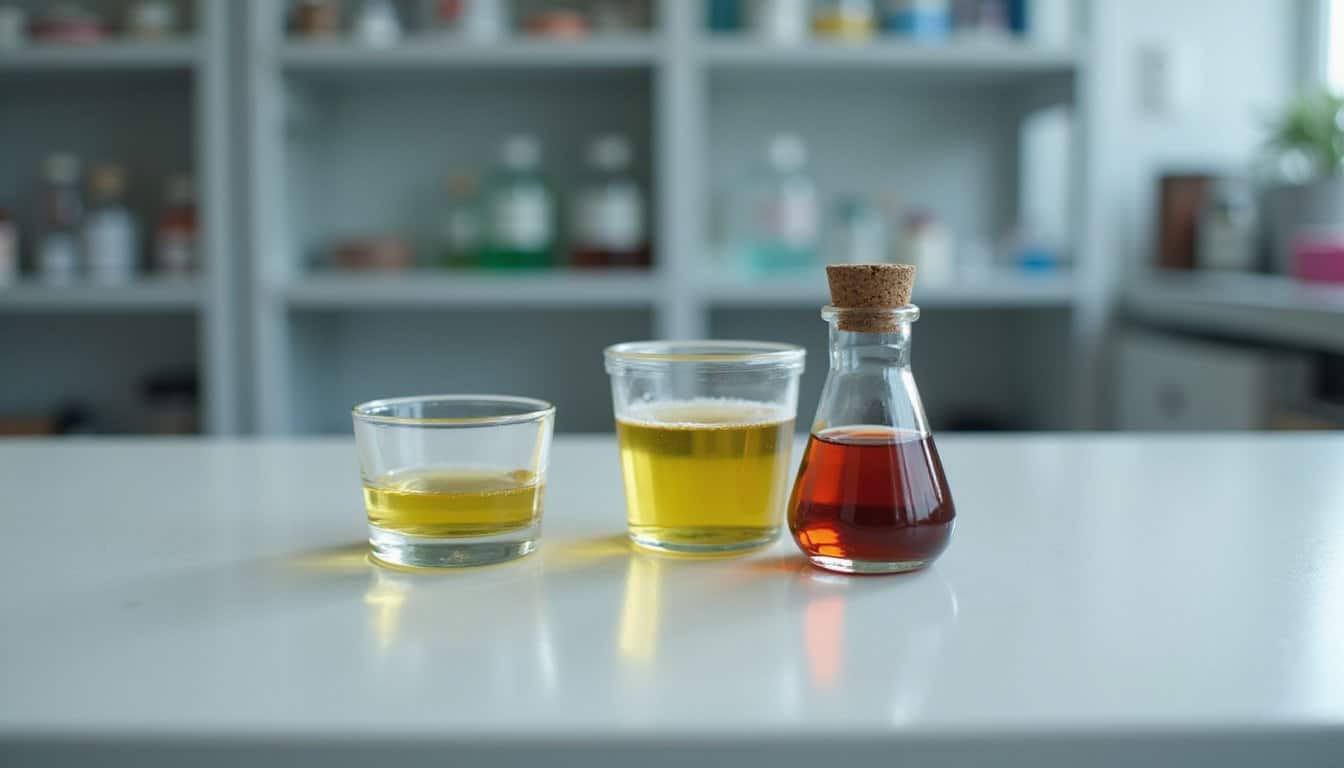 When employers screen for substance use, alcohol detection depends entirely on the testing method and timing. A breathalyzer measures your blood alcohol concentration in real time, providing immediate results. Blood tests offer high accuracy for detecting current intoxication levels. Saliva tests identify ethanol presence within 24 hours of consumption through non-invasive collection. For workplace drug test protocols, urine screening remains common due to cost efficiency. Standard urine tests detect alcohol metabolites for up to 48 hours. However, EtG (ethyl glucuronide) testing extends detection windows extensively, identifying alcohol consumption for up to 80 hours post-drinking. This metabolite-based approach reveals recent use even after alcohol leaves your bloodstream. Your employer's chosen method determines whether that drink shows up during screening. Many companies include post-accident alcohol testing in employee contracts to investigate whether workers involved in workplace incidents were under the influence.
 Each testing method offers a distinct detection window for alcohol, ranging from hours to days depending on what the test measures. Blood tests detect alcohol use within 6, 12 hours, while breath tests screen for alcohol impairment up to 12, 24 hours post-consumption. DOT compliance requires breath testing within 2, 8 hours. Urine ethanol tests identify alcohol consumption within 12, 24 hours, making them standard for workplace drug testing. However, urine metabolite tests measuring EtG and EtS extend detection to 24, 72 hours, sometimes reaching 80 hours after heavy drinking. Saliva tests offer a 6, 24 hour detection window for quick workplace testing scenarios. Your detection window depends on consumption levels, metabolism, and the specific test your employer administers. Timing is especially critical since alcohol leaves the body at roughly 0.015 BAC per hour, which can affect whether impairment is still detectable when testing occurs.