Standard 5-, 9-, and 10-panel drug tests won't detect alcohol in your system. These panels screen exclusively for controlled substances, THC, cocaine metabolites, opiates, amphetamines, and PCP, using immunoassay methods that don't target ethanol or its metabolites. Alcohol's rapid hepatic clearance rate of approximately one drink per hour leaves minimal traceable compounds for standard detection. You'll need specialized EtG/EtS testing to identify alcohol consumption up to 80 hours post-ingestion, and understanding these distinctions can help you select the appropriate screening methodology. Standard 5-, 9-, and 10-panel drug tests won't detect alcohol in your system. These panels screen exclusively for controlled substances, THC, cocaine metabolites, opiates, amphetamines, and PCP, using immunoassay methods that don't target ethanol or its metabolites. Alcohol's rapid hepatic clearance rate of approximately one drink per hour leaves minimal traceable compounds for standard detection. You'll need specialized EtG/EtS testing to identify alcohol consumption up to 80 hours post-ingestion, and understanding alcohol detection in workplace tests helps clarify why employers must request these specific assays when alcohol monitoring is required.
Do Standard Drug Tests Screen for Alcohol?
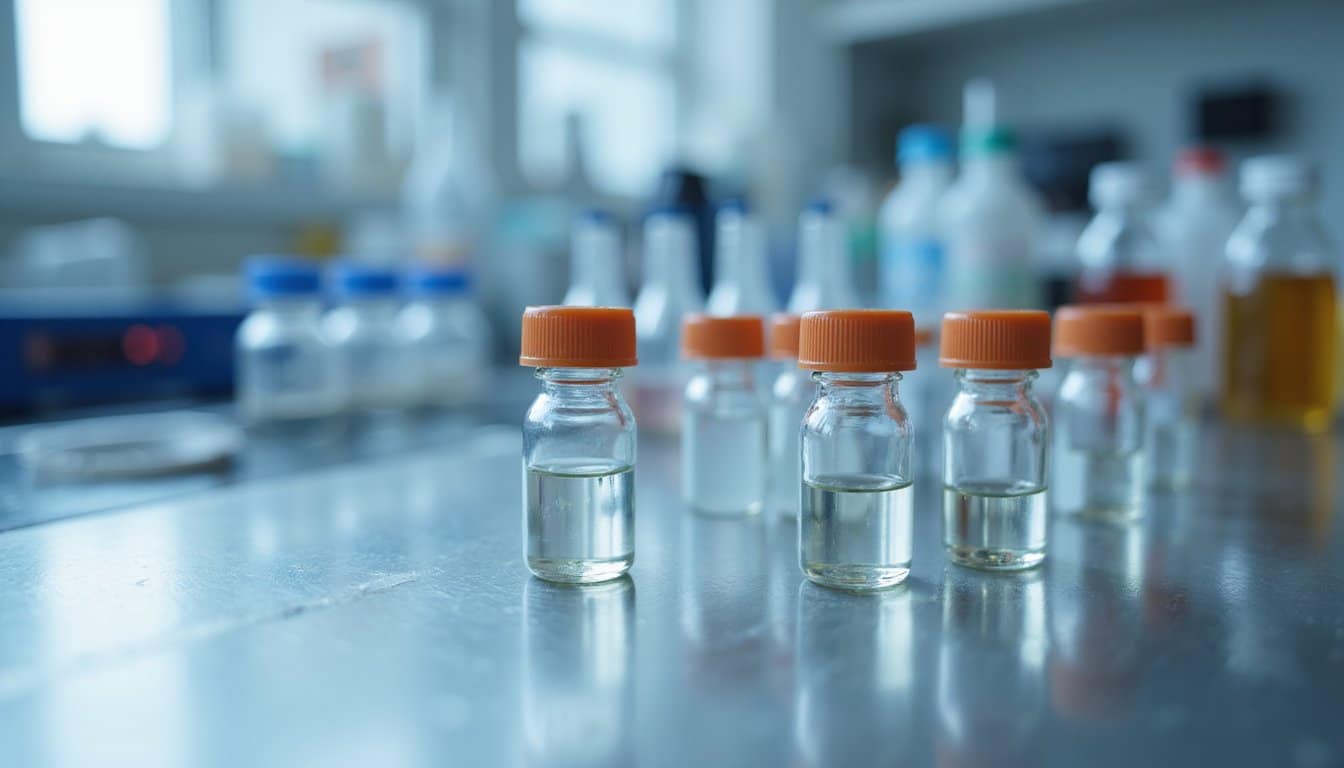
Standard drug panels do not screen for alcohol as part of their routine testing protocol. When you undergo a 5-panel, 9-panel, or even 12 panel drug test alcohol detection isn't included unless specifically requested. These panels target illicit substances, amphetamines, cocaine, marijuana, opiates, and phencyclidine, following SAMHSA guidelines.
If you're wondering does a drug test also test for alcohol, the answer depends entirely on the testing parameters ordered. Drug panel alcohol testing requires separate methodologies, such as breath analysis, EtG/EtS urine screening, or blood ethanol quantification. Standard immunoassay cassettes and GC/MS confirmatory procedures focus exclusively on controlled substances, not ethanol metabolites. EtG testing offers a significant advantage by detecting alcohol use up to 80 hours after drinking, extending far beyond what standard panels could capture even if alcohol were included.
You'll need dedicated alcohol biomarker tests, breathalyzers, EtG, or PEth, to detect consumption, as these aren't integrated into conventional drug screening protocols.
What 5-, 9-, and 10-Panel Tests Actually Detect
When you're facing a drug screen, understanding the specific analytes each panel targets helps you anticipate what substances undergo detection. The 5-panel test forms the foundational screening protocol, detecting THC, cocaine metabolites, opiates, amphetamines, and PCP, while 9-panel and 10-panel configurations expand this core by incorporating additional substance classes like benzodiazepines, barbiturates, and methadone. You'll notice that despite these expanded parameters, standard panel structures don't automatically include alcohol detection, a critical distinction that affects how extensive your screening actually is. When employers or testing programs require alcohol detection, they must request specialized tests like the EtG test, which can identify alcohol compounds in urine for up to 80 hours after consumption.
5-Panel Core Substances
Although many people assume extensive drug screens automatically detect alcohol, each panel type targets a specific set of controlled substances, and alcohol isn't among them.
A 5-panel drug test screens for THC, cocaine, opiates, amphetamines, and PCP, the NIDA-5 standard. You won't find ethanol or EtG markers included in this methodology.
A 9-panel drug test expands detection to include benzodiazepines, barbiturates, methaqualone, and propoxyphene alongside the core five substances. Despite this broader scope, alcohol remains excluded from standard protocols.
The 10-panel drug test adds methadone to the detection matrix, covering prescription and illicit compounds through urine-based immunoassay screening. However, it doesn't incorporate alcohol metabolites. When alcohol testing is required separately, blood alcohol tests are considered the gold standard due to their ability to directly measure concentration in the bloodstream.
Each panel utilizes GC/MS confirmation for detected substances, yet none integrates EtG or breath alcohol components without explicit modification to the testing protocol.
9-Panel Expanded Coverage
Drug screening protocols vary considerably in their detection scope, yet each standard panel maintains consistent exclusions. When you examine panel expanded coverage across 5-, 9-, and 10-panel configurations, you'll find alcohol remains systematically absent from each tier.
Your 5-panel screens cannabis, cocaine, amphetamines, opioids, and PCP. The 9-panel extends detection to benzodiazepines, barbiturates, and methadone. Standard 10-panel configurations add propoxyphene to this inclusive drug panel configurations framework.
Despite these expansions, alcohol testing methods require separate protocols entirely. You won't detect alcohol through standard urinalysis because rapid metabolic elimination renders conventional panels ineffective. Instead, you'll need targeted EtG/EtS testing, which identifies alcohol metabolites for 24-80 hours post-consumption. Breath, blood, or saliva analyses serve as alternative alcohol testing methods when immediate detection is required. how is alcohol tested in blood can typically be determined through the use of blood chromatography, which provides precise and quantitative measures of alcohol concentration. This method is particularly useful for legal and medical purposes since it can yield results that are admissible in court. Alternative blood tests may also analyze for alcohol content in specific instances, depending on the requirements of the testing protocol.
10-Panel Additional Screens
Beyond the 9-panel's expanded detection capabilities, you'll find that each standard panel tier, 5, 9, and 10, maintains specific substance targets while systematically excluding alcohol from its analytical scope.
The 5-panel drug test detects marijuana, cocaine, amphetamines, opioids, and PCP. The 9-panel drug test extends coverage to additional controlled substances. The 10-panel drug test further broadens detection parameters yet still omits alcohol screening.
Key analytical distinctions across panel configurations:
- Alcohol's rapid metabolic elimination renders standard urine immunoassays ineffective for detection
- EtG testing requires separate laboratory protocols distinct from conventional panel methodologies
- Panel customization demands explicit provider coordination when alcohol screening is required
You must specify alcohol detection requirements separately, as no standard panel automatically incorporates ethanol or EtG metabolite analysis regardless of tier classification.
Why Drug Tests Can't Catch Alcohol the Same Way
Your body processes alcohol far more rapidly than other substances, with ethanol clearing your system within 12 hours compared to drugs that leave detectable markers for days. Standard immunoassay panels can't capture alcohol effectively because you'd need testing within a narrow window, and the methodology differs markedly from detecting drug metabolites. While biomarkers like EtG extend detection to 24, 72 hours, they require separate, specialized assays that aren't built into conventional 5-, 9-, or 10-panel screens.
Alcohol Metabolizes Too Quickly
The liver processes alcohol at a fixed rate of approximately one standard drink per hour, which creates a narrow detection window compared to other substances screened in standard drug panels. Your body's alcohol metabolism operates through enzymatic pathways that achieve alcohol elimination at 0.015-0.02% BAC per hour, regardless of initial concentration.
This rapid alcohol clearance presents three critical detection challenges:
- Hepatic dominance: Your liver eliminates 95% of consumed alcohol through oxidation, leaving minimal traceable metabolites.
- Non-hepatic excretion: Only 2-5% exits unchanged via breath, urine, or sweat.
- Enzymatic efficiency: Alcohol dehydrogenase converts ethanol to acetaldehyde, which rapidly transforms into acetate and integrates into normal metabolic processes.
You'll find that standard panels can't reliably capture alcohol's fleeting biochemical signature.
Different Detection Methods Required
Standard drug panels rely on immunoassay technology calibrated specifically for detecting metabolites of controlled substances, not ethanol. You'll find that EMIT and FPIA assays show zero cross-reactivity with alcohol, making detection methods fundamentally incompatible. GC/MS confirmation protocols target NIDA analytes exclusively, bypassing alcohol metabolites entirely.
| Detection Method | Target Substance |
|---|---|
| Immunoassay (EMIT/FPIA) | Drug metabolites |
| GC/MS confirmation | NIDA analytes |
| Breathalyzer | Ethanol in breath |
| EtG/EtS assay | Alcohol metabolites |
| PEth blood test | Phosphatidylethanol |
To detect alcohol metabolites like EtG or EtS, you'd need specialized assays with distinct cutoffs and extended detection windows up to 80 hours. These require separate collection protocols and analytical procedures that standard immunoassay panels simply weren't designed to accommodate.
No Lasting Urine Markers
Unlike illicit drugs that leave detectable metabolites in urine for days or weeks, alcohol clears your system with remarkable speed, ethanol typically remains detectable for only 6-12 hours after light consumption. Unlike illicit drugs that leave detectable metabolites in urine for days or weeks, alcohol clears your system with remarkable speed, ethanol typically remains detectable for only 6, 12 hours after light consumption. However, discussions about how long alcohol stay in urine for drug test often involve EtG or EtS metabolite testing, which can extend the urine detection window for alcohol exposure up to 24, 80 hours depending on intake levels.
Your metabolism processes alcohol far more efficiently than substances like THC, which can persist for weeks. Even EtG, the most sensitive alcohol metabolite, shows a maximum detection time of 80 hours only after heavy drinking. Metabolite breakdown occurs rapidly, leaving no lasting markers.
Key factors affecting detection time:
- Individual metabolism rate and liver function determine elimination speed
- Body composition, age, and gender influence processing efficiency
- Drinking quantity and frequency alter clearance windows
This rapid elimination explains why standard drug panels exclude alcohol, the testing methodology requires substances with persistent, reliable markers.
The EtG Test: How to Add Alcohol to Your Panel
Ethyl Glucuronide (EtG) testing offers a distinct advantage over standard breathalyzers by detecting alcohol consumption up to 80 hours after intake rather than measuring current intoxication levels. When you add an EtG test to standard drug panels, you're incorporating a biomarker with sensitivity exceeding 90% for recent alcohol use.
The EtG test identifies a metabolite produced when your liver processes ethanol through conjugation with glucuronic acid. This alcohol testing method proves particularly valuable for abstinence monitoring in addiction treatment and drug court settings.
Detection windows vary based on consumption amount, metabolism rate, and hydration levels. You'll find ideal accuracy within 24 hours of drinking, with detection rates exceeding 80% at standard cutoffs of 100-200 ng/mL. Beyond 48 hours, sensitivity drops below 40%.
When Is Separate Alcohol Testing Required?
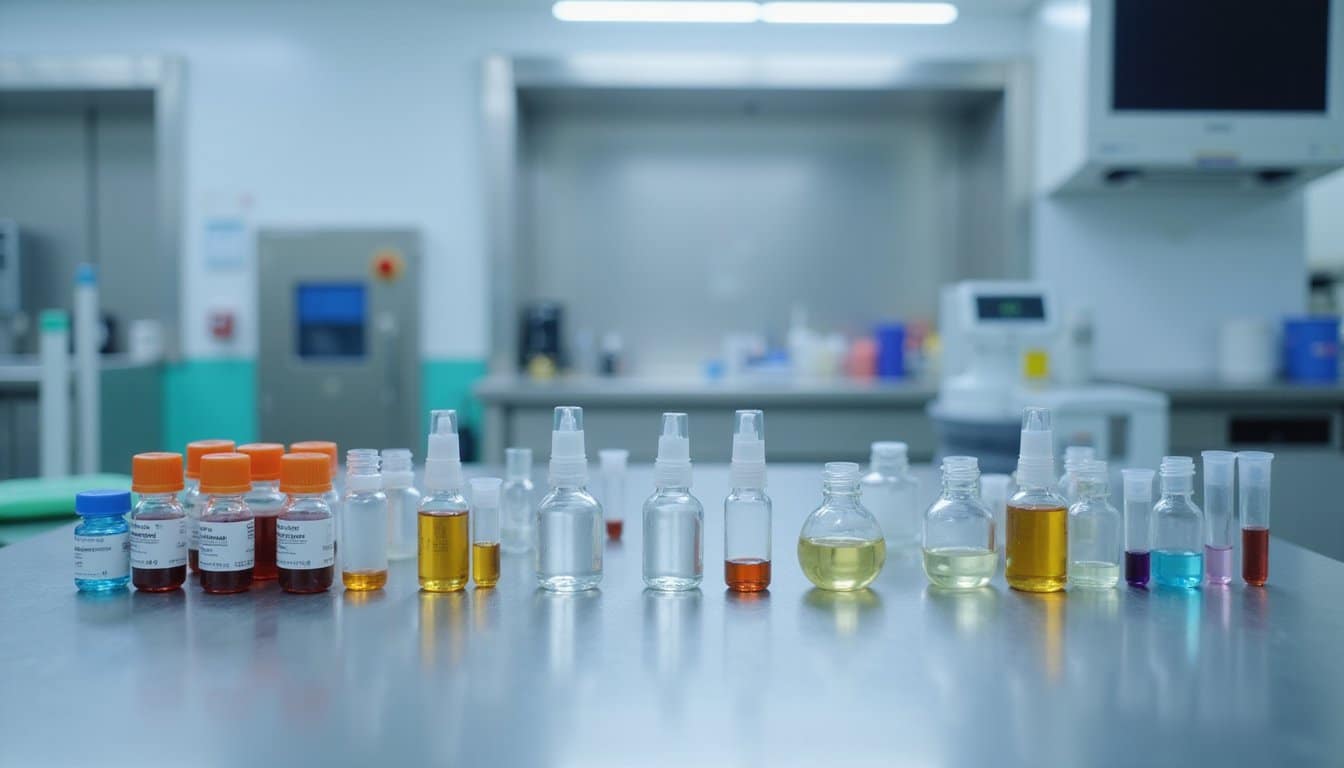
Certain workplace scenarios legally mandate separate alcohol testing beyond standard drug panels. Since a 5 panel drug test doesn't test for alcohol, nor does a 9 panel drug test test for alcohol, employers must implement dedicated screening protocols when regulations require it.
DOT-regulated industries face strict alcohol testing requirements in these situations:
- Post-accident testing: You must complete breath alcohol testing within 2-8 hours following workplace incidents involving safety-sensitive employees.
- Reasonable suspicion testing: Supervisors document observable impairment indicators, slurred speech, alcohol odor, erratic behavior, triggering immediate testing protocols.
- Return-to-duty testing: You'll undergo mandatory alcohol screening after violations or treatment completion before resuming safety-sensitive duties.
Understanding that a 10 panel drug test doesn't test for alcohol clarifies why separate EBT screenings remain essential for compliance with federal transportation regulations.
How to Request Alcohol-Inclusive Drug Testing
Securing alcohol detection within your drug screening protocol requires explicit specification during the ordering process. Since standard drug tests don't test for alcohol automatically, you'll need to select specialized panels like the 10-panel + alcohol or Drug Panel 9A, which incorporate enzymatic assays with 40 mg/dL cutoffs.
When determining what does a drug test test for, recognize that alcohol requires distinct detection methodologies. You should request EtG/EtS metabolite testing for extended detection windows or enzymatic assays for recent consumption. Specify urine specimens with validity testing and request reflex confirmation for positive screens.
Choose accredited laboratories utilizing EWDTS-validated methods to guarantee analytical accuracy. Communicate your testing objectives clearly, whether for workplace safety, compliance monitoring, or clinical assessment, to receive appropriately configured panels that capture both controlled substances and ethanol.
Recovery Is Just One Call Away
No matter how long you have been struggling with Alcohol addiction, a healthier and sober life is always within reach. At Pinnacle Detox & Recovery, we are dedicated to providing you with the right Alcohol Addiction Treatment that fits your needs and puts you on the path to long-term recovery. Call (626) 323-8629 today and make the decision that could change your life forever.
Frequently Asked Questions
How Long Does Alcohol Stay Detectable Compared to Other Drugs?
Your body clears ethanol from urine within 7-12 hours, but EtG metabolite testing extends detection to 24-80 hours depending on consumption levels. Comparatively, cocaine remains detectable for 2-4 days, amphetamines for 2-4 days, and marijuana up to 30 days with chronic use. You'll find alcohol's direct detection window is shorter than most substances, though metabolite-based methods bring it closer to standard drug detection ranges.
Can Prescription Medications Cause False Positives on Standard Drug Panels?
Yes, prescription medications can trigger false positives on standard drug panels. You'll find that methylphenidate and bupropion may cause amphetamine positives, while sertraline can produce benzodiazepine results. Quetiapine's metabolites often cross-react with methadone assays, and diphenhydramine triggers opioid positives. These immunoassay interferences occur due to structural similarities between drug compounds. You should always disclose your medications before testing, as confirmatory gas chromatography-mass spectrometry can differentiate legitimate prescriptions from illicit substances.
What Happens if My Drug Test Sample Is Diluted or Invalid?
If your sample is diluted or invalid, the lab flags it based on creatinine levels below 20 mg/dL or specific gravity outside 1.0010-1.0030 ranges. You'll receive a 'negative dilute' or 'positive dilute' result, triggering a mandatory retest under observed collection protocols. Labs employ validity checks including pH assessment, temperature verification, and adulteration test strips to detect tampering. This scrutiny guarantees specimen integrity while requiring you to provide another sample.
Are At-Home Drug Panel Tests as Accurate as Laboratory Screenings?
No, at-home drug panel tests aren't as accurate as laboratory screenings. You'll find home tests offer basic detection but suffer from lower sensitivity, increasing your risk of false negatives. Labs employ advanced methodologies like GC/MS confirmatory testing, which you won't get at home. User error, improper sample collection, storage issues, interpretation mistakes, further compromises your home test reliability. For accuracy-critical situations, you should rely on laboratory analysis with its rigorous protocols and legally defensible results.
Do Hair Follicle Tests Detect Alcohol Differently Than Urine Panels?
Yes, hair follicle tests detect alcohol differently than urine panels. You'll find hair tests measure EtG and FAEE biomarkers incorporated into strands, providing a 90-day detection window for chronic consumption patterns. Urine panels primarily detect EtG for only 1-3 days, capturing acute intake. Hair testing yields twice as many positives due to its extended window and tamper resistance, while urine's sensitivity better identifies episodic or casual drinking episodes.