Drinking the night before a drug test can cause you to fail if the screening includes alcohol detection. Standard 5-panel and 10-panel tests don't typically screen for alcohol, but EtG metabolite tests can detect consumption for 24-80 hours depending on intake levels. Your metabolism rate, gender, and liver function all affect how quickly you'll clear alcohol from your system. Understanding exactly which test you're facing determines your actual risk. Drinking the night before a drug test can cause you to fail if the screening includes alcohol detection. Standard 5-panel and 10-panel tests don't typically screen for alcohol, but EtG metabolite tests can detect consumption for 24, 80 hours depending on intake levels. Your metabolism rate, gender, and liver function all affect how quickly you'll clear alcohol from your system. Understanding how long does alcohol stay in your urine for drug tests helps clarify why EtG testing can still identify alcohol metabolites well after the immediate effects of drinking have worn off.
 Many people assume a few drinks the night before won't affect their drug test results, but the answer isn't straightforward. Standard drug panels typically don't screen for alcohol unless specifically included. However, drinking before drug test appointments carries measurable risks depending on testing methods employed. can alcohol cause you to fail a drug test is a common question, especially among those who use substances occasionally. While alcohol itself may not show up on standard drug tests, its presence can influence the testing process by affecting other results. If your employer uses EtG or EtS urine testing, alcohol metabolites remain detectable up to 80 hours post-consumption. At 500 ng/mL cutoff levels, detection sensitivity decreases beyond one day, but heavy drinking considerably extends this window. Your metabolism rate, body composition, and liver function directly influence processing speed. Women generally metabolize alcohol more slowly than men due to enzyme differences. A single standard drink likely won't trigger positive results on non-alcohol screenings, but binge drinking substantially increases your detection risk and potential employment consequences. Research shows that 43% of cocaine-positive samples also tested positive for recent alcohol use, demonstrating how commonly these substances are combined despite increased health risks.
Standard drug panels typically exclude alcohol screening unless an employer or agency specifically requests it. Most 5-panel and 10-panel tests focus on illicit substances like cannabis, opioids, cocaine, and amphetamines. Ethanol detection requires separate ordering beyond basic screens. If you're wondering can you drink alcohol before a drug test, your risk depends entirely on what's being tested. Many workplace screenings omit alcohol entirely, meaning moderate consumption wouldn't appear. However, DOT-regulated positions, court-ordered testing, and treatment monitoring programs often include EtG/EtS metabolite testing, which detects alcohol up to 80 hours post-consumption. Industries like transportation, logistics, and aviation face elevated risks from alcohol impairment, making alcohol testing more common in these sectors. You should verify your employer's specific testing protocol before assuming alcohol won't be screened. Some organizations combine standard panels with breath or urine alcohol tests, particularly when safety-sensitive positions are involved. Understanding how is alcohol tested is essential for employees in these roles. Different methods may yield varying results, and it's crucial to be aware of the implications of each testing type. Regular training and clear communication about these protocols can help mitigate any potential issues related to alcohol screening.
Many people assume a few drinks the night before won't affect their drug test results, but the answer isn't straightforward. Standard drug panels typically don't screen for alcohol unless specifically included. However, drinking before drug test appointments carries measurable risks depending on testing methods employed. can alcohol cause you to fail a drug test is a common question, especially among those who use substances occasionally. While alcohol itself may not show up on standard drug tests, its presence can influence the testing process by affecting other results. If your employer uses EtG or EtS urine testing, alcohol metabolites remain detectable up to 80 hours post-consumption. At 500 ng/mL cutoff levels, detection sensitivity decreases beyond one day, but heavy drinking considerably extends this window. Your metabolism rate, body composition, and liver function directly influence processing speed. Women generally metabolize alcohol more slowly than men due to enzyme differences. A single standard drink likely won't trigger positive results on non-alcohol screenings, but binge drinking substantially increases your detection risk and potential employment consequences. Research shows that 43% of cocaine-positive samples also tested positive for recent alcohol use, demonstrating how commonly these substances are combined despite increased health risks.
Standard drug panels typically exclude alcohol screening unless an employer or agency specifically requests it. Most 5-panel and 10-panel tests focus on illicit substances like cannabis, opioids, cocaine, and amphetamines. Ethanol detection requires separate ordering beyond basic screens. If you're wondering can you drink alcohol before a drug test, your risk depends entirely on what's being tested. Many workplace screenings omit alcohol entirely, meaning moderate consumption wouldn't appear. However, DOT-regulated positions, court-ordered testing, and treatment monitoring programs often include EtG/EtS metabolite testing, which detects alcohol up to 80 hours post-consumption. Industries like transportation, logistics, and aviation face elevated risks from alcohol impairment, making alcohol testing more common in these sectors. You should verify your employer's specific testing protocol before assuming alcohol won't be screened. Some organizations combine standard panels with breath or urine alcohol tests, particularly when safety-sensitive positions are involved. Understanding how is alcohol tested is essential for employees in these roles. Different methods may yield varying results, and it's crucial to be aware of the implications of each testing type. Regular training and clear communication about these protocols can help mitigate any potential issues related to alcohol screening.
EtG testing presents the highest risk. Heavy drinking remains detectable for 3-4 days, while moderate consumption shows for approximately 48 hours. Light drinking clears within 24 hours. Your safest approach involves abstaining for at least 4-5 days before any scheduled screening, particularly when you're uncertain which testing method your employer uses.
Will Drinking the Night Before Fail Your Drug Test?
How Long Alcohol Shows Up on Different Drug Tests
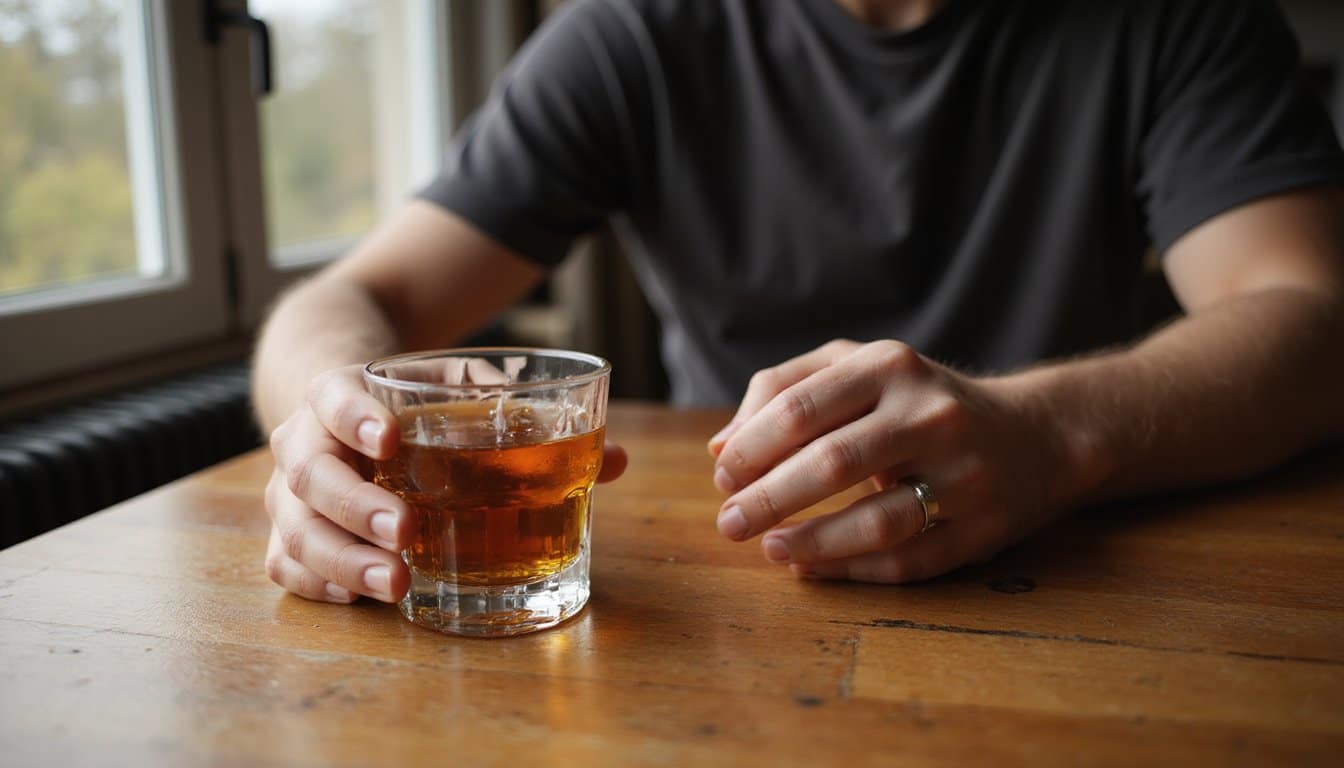
Detection windows vary considerably across testing methodologies, and understanding these differences helps you assess your actual risk. When drinking the night before a drug test, your detection probability depends entirely on which test you'll face.Different drug tests have vastly different detection windows, making the type of test you face the critical factor in your risk assessment.Alcohol Detection Windows by Test Type:
- Standard urine tests detect alcohol for 12-24 hours, with lighter consumption clearing faster
- EtG metabolite tests identify alcohol for 24-72 hours, extending to 80 hours after heavy drinking
- Blood alcohol tests remain positive for 6-12 hours post-consumption
- Breath and saliva tests detect alcohol for 12-24 hours
Do Most Drug Tests Even Screen for Alcohol?
Why Some People Metabolize Alcohol Faster Before Testing
Four distinct enzyme systems determine how quickly your body clears alcohol before testing, with genetics playing the dominant role in elimination speed. Key factors affecting your metabolism rate:- Genetic enzyme variations in ADH and ALDH genes create significant differences, you may process alcohol 40% faster or slower than others based on inherited traits.
- Gender differences impact clearance, as women typically have lower ADH levels, slowing initial breakdown.
- Age and liver health directly influence processing capacity; compromised liver function extends detection windows substantially.
- CYP2E1 activation occurs after heavy consumption, providing an additional metabolic pathway that regular drinkers develop.
How Long to Stop Drinking Before a Drug Test
When exactly should you stop drinking to avoid detection? The answer depends entirely on which test you're facing. Understanding these windows helps you assess whether alcohol will fail a pre employment drug test.| Test Type | Detection Window | Recommended Abstinence |
|---|---|---|
| Standard Urine | 12-24 hours | 24+ hours |
| EtG Urine | 80 hours (3-5 days) | 4-5 days |
| Breath/Blood | 6-24 hours | 24+ hours |
Recovery Is Just One Call Away
No matter how long you have been struggling with Alcohol addiction, a healthier and sober life is always within reach. At Pinnacle Detox & Recovery, we are dedicated to providing you with the right Alcohol Addiction Treatment that fits your needs and puts you on the path to long-term recovery. Call (626) 323-8629 today and make the decision that could change your life forever.