Alcohol testing detects either ethanol directly or its metabolites in your body. Breath tests use infrared spectroscopy to measure alcohol in your exhaled air instantly. Blood tests provide the most precise BAC readings with 84-96% specificity. Urine EtG screening identifies the ethyl glucuronide metabolite up to 80 hours after you’ve consumed alcohol. Saliva tests offer non-invasive collection for workplace settings. Each method has distinct accuracy levels, detection windows, and forensic applications worth understanding. Alcohol testing detects either ethanol directly or its metabolites in your body. Breath tests use infrared spectroscopy to measure alcohol in your exhaled air instantly, while blood tests provide the most precise BAC readings with 84, 96% specificity. Urine EtG screening identifies the ethyl glucuronide metabolite for up to 80 hours after alcohol consumption, and saliva tests offer non-invasive collection commonly used in workplace settings. Understanding these detection windows can help clarify when to stop drinking alcohol before a drug test, since different testing methods identify alcohol exposure over varying timeframes.
How Alcohol Tests Detect Drinking: BAC, Metabolites, and Biomarkers
Alcohol tests detect drinking through three primary mechanisms: direct measurement of blood alcohol concentration (BAC), identification of metabolites like ethyl glucuronide (EtG), and analysis of biomarkers in various bodily fluids.
When you undergo an alcohol blood test, laboratories measure ethanol directly in your venous sample, the gold standard for accuracy. An alcohol breath test estimates BAC through alveolar air equilibrium, while an alcohol urine test detection method approximates levels less precisely. Breath analyzers rely on fuel cell technology to measure the alcohol content in exhaled air, providing faster results than laboratory blood analysis.
EtG alcohol screening targets alcohol metabolites that persist 3-5 days post-consumption, extending detection beyond active intoxication. Understanding how alcohol is screened helps clarify why different types of alcohol tests exist. Each drug alcohol test serves distinct purposes: BAC measures current impairment while metabolite biomarkers verify recent consumption history.
Breath Alcohol Tests: Quick Screening With Instant Results
When you exhale into a breathalyzer, the device analyzes alcohol molecules in your alveolar air using infrared spectroscopy or fuel cell sensors to generate an instant breath alcohol concentration (BrAC) reading. While evidential instruments like the Intoxilyzer 9000 demonstrate coefficient of variation as low as 1.7%, your BrAC-to-BAC conversion carries a potential 50% margin of error compared to direct blood testing. Research on personal breathalyzers found sensitivity ranged from 26% to 95% in detecting when individuals were over the legal driving limit, raising concerns about their reliability for self-assessment. Factors including recent drinking, hyperventilation, and interfering substances like mouthwash or ketones can dramatically skew your results, which is why a 15-20 minute observation period typically precedes formal testing.
How Breathalyzers Work
How exactly does a breathalyzer convert exhaled air into a precise alcohol measurement?
When you blow into a breathalyzer, you’re providing a sample from deep within your lungs where air has equilibrated with your blood. The device then analyzes this sample using one of three primary technologies.
Fuel cell sensors oxidize alcohol using platinum electrodes, generating an electrical current proportional to ethanol concentration. This technology is extremely sensitive and accurate, which is why law enforcement agencies and medical professionals rely on it for official testing. Infrared breathalyzers pass light through your breath sample, measuring absorption at ethanol-specific wavelengths. Semiconductor devices use tin-oxide materials that change electrical properties when exposed to alcohol.
Each technology relies on the same principle: ethanol molecules trigger a measurable response, whether electrical current, light absorption, or resistance change. The device converts this response into a breath alcohol concentration, then applies a partition ratio to estimate your blood alcohol content.
BrAC Versus BAC Accuracy
Understanding how breathalyzers generate readings naturally raises questions about measurement accuracy. Blood tests directly measure alcohol concentration, while breath tests estimate BAC through the 2100:1 partition ratio. Research indicates measured BAC averages 11.3% greater than BrAC readings, though back-calculated values show no significant differences.
Key Accuracy Factors:
- Blood tests provide superior precision through direct sample analysis, making them preferred for court evidence over breath or urine alcohol test results.
- Breathalyzer reliability depends on proper calibration, manufacturer protocol adherence, and environmental conditions.
- Individual metabolic variations can cause conversion discrepancies between BrAC and actual BAC values.
You’ll find attorneys frequently challenge breath test results by citing these metabolism differences. While BrAC offers quick, non-invasive screening, BAC remains the forensic standard when precise measurement determines legal outcomes.
Factors Affecting Test Results
Several variables influence breath alcohol test accuracy beyond the fundamental BrAC-to-BAC conversion limitations. Device calibration status directly impacts measurement reliability, while residual mouth alcohol from recent drinking, mouthwash, or GERD can artificially elevate readings. Your breathing pattern, whether you hyperventilate or hold your breath, alters the alcohol concentration in exhaled air.
| Factor Category | Specific Variables | Impact on Results |
|---|---|---|
| Physiological | GERD, ketoacidosis, auto-brewery syndrome | False positives, elevated readings |
| Environmental | Chemical fumes, temperature, humidity | Sensor interference, skewed measurements |
| Technical | Calibration gaps, battery degradation, contamination | Unreliable accuracy, measurement drift |
Medical conditions like diabetes-induced ketoacidosis produce acetone that sensors may misidentify as ethanol. Environmental contaminants including paint fumes and industrial solvents interfere with detection mechanisms, compromising test validity.
Blood Alcohol Tests: Why Courts Trust Them Most
When courts evaluate evidence of alcohol impairment, blood tests hold the highest evidentiary weight due to their direct measurement of alcohol concentration in the bloodstream. Unlike breath or urine tests, blood analysis provides precise BAC readings with 84-96% specificity, making results nearly indisputable when proper protocols are followed.
Why blood tests dominate legal proceedings:
- Direct measurement accuracy, Homogeneous samples drawn by medical professionals yield precise alcohol concentrations reflecting true impairment levels
- Lower margin of error, Blood tests aren’t affected by calibration issues that compromise breathalyzer reliability
- Chain of custody integrity, When warrant procedures, handling protocols, and documentation remain intact, you’ll find defense challenges rarely succeed
Courts treat blood results as conclusive proof because a 0.08% BAC raises fatal crash likelihood 7-10 times, establishing clear risk thresholds.
Urine and EtG Tests: Detecting Alcohol Days Later
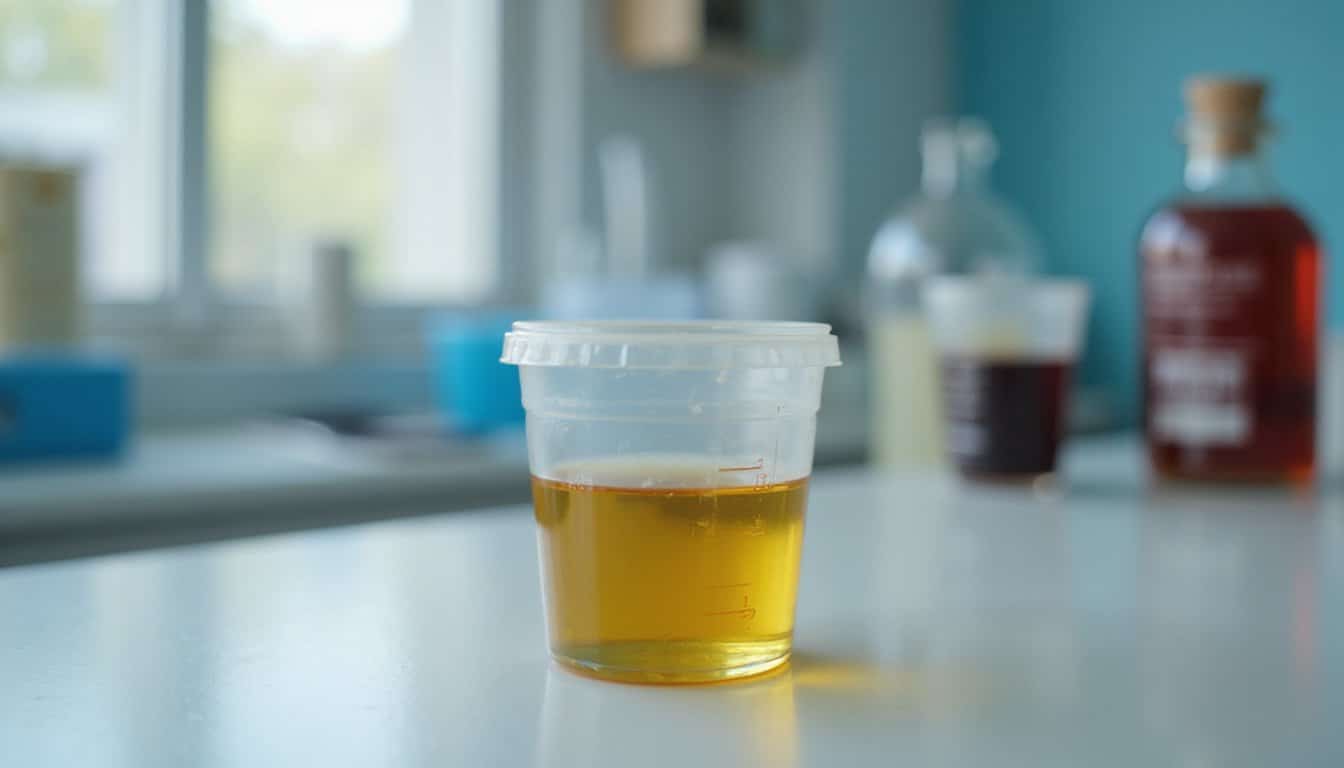
Ethyl glucuronide (EtG) testing extends alcohol detection far beyond what standard urine ethanol screens can achieve. Your liver produces EtG as a minor non-oxidative metabolite of ethanol, and it remains detectable in urine up to 80 hours post-consumption, sometimes five days with lower cutoff thresholds.
Cutoff levels determine sensitivity. At 100 ng/mL, labs detect heavy drinking in 79% of subjects at five days. A 500 ng/mL cutoff, commonly used in U.S. laboratories, reduces false positives from incidental exposure like hand sanitizers but limits detection primarily to previous-day consumption.
You should understand that EtG results don’t correlate precisely with consumption quantity. Metabolism, hydration, and drink volume affect outcomes. Rapid screening provides presumptive results; lab confirmation with EtG and ethyl sulfate (EtS) validates forensic accuracy and eliminates false positive concerns.
Saliva Alcohol Tests: Easy Collection for Workplace Use
Saliva alcohol tests offer you a non-invasive collection method that eliminates the discomfort and infection risks associated with blood draws. You’ll obtain rapid screening results within 2-5 minutes, making these tests particularly effective for workplace applications such as reasonable suspicion, post-accident, and random testing scenarios. The oral fluid sample closely mirrors your blood alcohol concentration, providing reliable preliminary data that supports DOT-compliant screening protocols.
Non-Invasive Sample Collection
Oral fluid testing offers a non-invasive method for detecting alcohol presence in workplace settings with minimal collection requirements. You’ll find this technique eliminates needle stick risks and multiple punctures associated with blood draws. The saliva-blood alcohol correlation provides detection sensitivity comparable to or exceeding breathalyzer accuracy.
Collection involves placing a swab inside your mouth to gather an adequate specimen:
- Position the test strip against your inner cheek or under your tongue
- Allow 2-5 minutes for the colorimetric reaction to develop
- Compare results against calibrated reference values (0.00%, 0.02%, 0.08%)
This procedure requires no specialized instrumentation or calibration equipment. Trained professionals or HR personnel can administer testing on-site at field locations, remote job sites, or during post-incident evaluations without transporting samples to external laboratories.
Rapid Workplace Screening Results
Most saliva alcohol tests deliver results within 2 minutes through color-changing indicator strips that react to ethanol presence in oral fluid. You’ll find these rapid screening tools detect alcohol consumed within the previous 24 hours, making them effective for identifying recent drinking episodes.
Modern saliva tests achieve accuracy rates above 90% when you administer them correctly. However, you should classify these results as preliminary screenings rather than confirmatory evidence. Positive outcomes require follow-up testing with breath or blood analysis to verify findings.
You’ll encounter potential interference from mouthwash, certain foods, and medications that may produce false positives. For workplace applications, saliva screening proves valuable for reasonable suspicion testing, post-incident evaluation, and remote job site assessment where breath testing equipment isn’t available. Confirmation testing elevates accuracy rates to nearly 98%.
Comparing Alcohol Tests: Accuracy, Timing, and Best Use Cases
When selecting an alcohol test, you’ll need to examine three critical factors: measurement accuracy, detection window, and intended application.
- Blood testing delivers the highest accuracy with direct serum ethanol measurement, accounting for 41.0% to 83.5% of concentration variance when pharmacokinetic differences are factored in.
- Breath testing provides real-time BAC results (±0.01% accuracy up to 0.10%) but demonstrates root mean square differences of 9.0 to 13.5 mg/dL compared to blood tests.
- EtG/EtS urine testing extends detection windows tremendously beyond standard ethanol tests, though incidental exposure from products like mouthwash can affect accuracy.
No single test provides complete diagnostic information. You’ll achieve superior accuracy through multi-test strategies that combine direct biomarkers like EtG with indirect markers such as PEth, verified through certified laboratory procedures.
Begin Your Path to Healing Today
Alcohol testing methods vary significantly in sensitivity and detection window knowing how each works helps individuals understand their screening results and make smarter choices about their drinking patterns. Rehab in Pasadena provides comprehensive alcohol treatment center pasadena tailored to every stage of your recovery with evidence-based methods and genuine compassion. Serving individuals throughout Pasadena, our +1 (626) 323-8629 team is available around the clock to help you take the next step toward a lasting, fulfilling recovery.
Frequently Asked Questions
Can Medications or Mouthwash Cause a False Positive on Alcohol Tests?
Yes, certain medications and mouthwash can cause false positives on alcohol tests. You’ll find that asthma inhalers containing albuterol may register BAC readings up to 0.21 immediately after use. Mouthwashes with high alcohol content introduce ethanol directly into your oral cavity, spiking breath test results temporarily. Over-the-counter cold remedies like Nyquil contain alcohol that elevates readings. These interferences typically affect breathalyzers more than blood or urine tests.
How Long Should I Wait After Drinking Before Taking an Alcohol Test?
You should wait at least 12-24 hours after drinking for standard breath and urine tests, though this varies based on consumption quantity. Your body metabolizes alcohol at approximately 0.015% BAC per hour, clearing roughly one standard drink hourly. For EtG urine screening, you’ll need 24-72 hours for clearance. Hair follicle tests detect alcohol for up to 90 days, making timing strategies ineffective for this method.
Does Body Weight Affect How Long Alcohol Stays Detectable in My System?
Yes, your body weight directly influences alcohol detection windows. Higher body mass dilutes alcohol across greater blood and water volume, lowering peak BAC levels. However, body composition matters more, you’ll retain alcohol longer if you have higher body fat percentage since fat tissue holds less water and metabolizes alcohol slowly. Leaner individuals with greater muscle mass clear alcohol and its metabolites faster, shortening detection times across urine, blood, and breath tests.
Can I Refuse an Alcohol Test During a Traffic Stop?
You can refuse field sobriety tests in most states, including California, without direct legal penalty. These subjective assessments, walk-and-turn, one-leg stand, and horizontal gaze nystagmus, remain voluntary for drivers not under 21 or on DUI probation. However, chemical tests (breathalyzer, blood draw) fall under implied consent laws post-arrest. Refusing chemical testing triggers automatic license suspension, enhanced penalties, and potential forced blood draws via warrant.
Are Home Alcohol Testing Kits as Accurate as Professional Laboratory Tests?
No, home alcohol testing kits aren’t as accurate as professional laboratory tests. You’ll find that home kits provide initial screening but often miss low-level substances, leading to false negatives. Smartphone-paired breathalyzers can underestimate BAC by over 0.01%, and devices like Drinkmate fail to detect BAC limits over 50% of the time. Lab tests use gold-standard techniques like gas chromatography-mass spectrometry (GC-MS), offering superior precision and confirmatory analysis you can’t replicate at home.