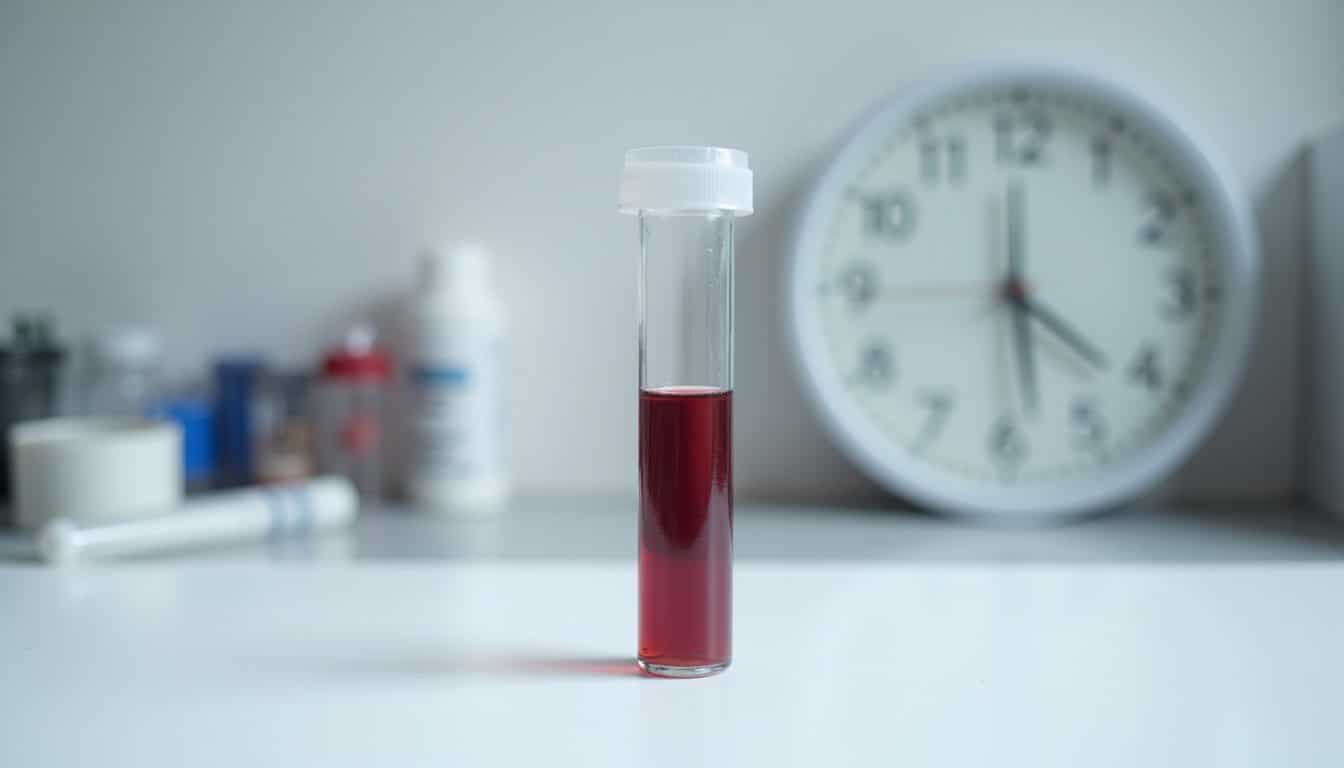
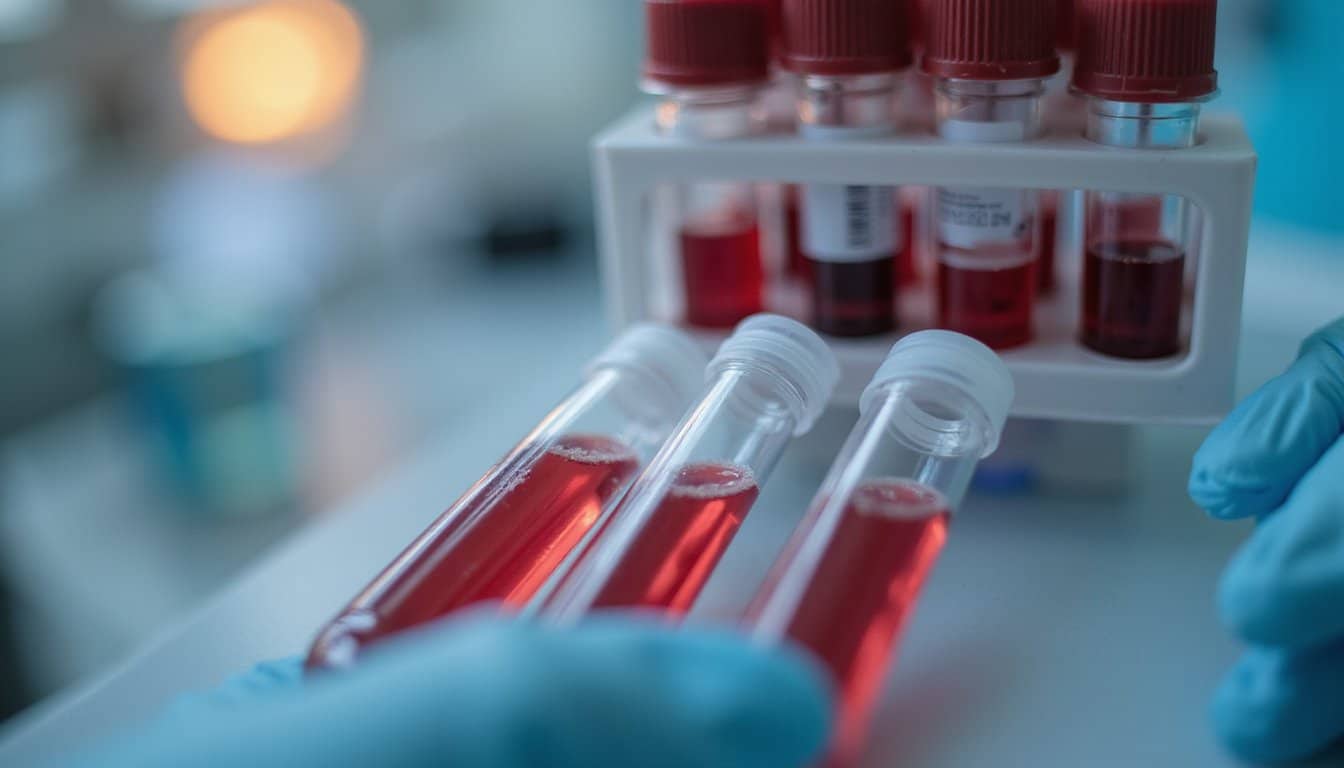
Cocaine stays in your bloodstream for approximately
12 to 24 hours after use, but that's not the full picture. Your liver rapidly converts cocaine into
benzoylecgonine, a metabolite that remains detectable in blood for up to 48 hours. If you're a
chronic user, detection windows extend drastically longer. Factors like metabolism, liver function, and frequency of use all influence how quickly your body clears these substances, details that become critical below. Cocaine remains in your bloodstream for roughly 12 to 24 hours after use, but that’s only part of the story. Understanding
how long cocaine last in system requires looking at its primary metabolite, benzoylecgonine, which the liver produces and which can stay detectable in blood for up to 48 hours. In chronic users, detection windows may extend significantly, influenced by metabolism, liver function, and frequency of use.
How Long Does Cocaine Stay in Your Blood?
How quickly does cocaine clear from your bloodstream? After use, cocaine enters your blood within minutes, but its presence is brief. The drug's
half life is approximately 1.5 hours, meaning it becomes undetectable after roughly five half-lives, about 7.5 hours for the parent compound. A standard
blood test can detect cocaine itself for 12 to 24 hours post-use. However, your body converts
cocaine into benzoylecgonine, a metabolite that remains detectable for up to 48 hours. Understanding these pharmacokinetics helps clarify why
detection windows vary. Your metabolism, frequency of use, and overall health influence clearance rates.
Chronic users may show extended detection times due to metabolite accumulation. Factors such as age, weight, and
liver function impact how quickly your body processes and eliminates the drug.
Blood testing remains uncommon because cocaine clears your bloodstream faster than other sample types can capture. In contrast,
hair follicle testing can detect cocaine metabolites for up to 90 days after use.
Why Cocaine Leaves the Bloodstream So Quickly
Because
cocaine has one of the shortest half-lives among commonly used substances, approximately 0.7 to 1.5 hours, your body eliminates half the drug from your bloodstream within that narrow window. Your liver drives this rapid metabolism through esterase-mediated
hydrolysis, converting cocaine into
benzoylecgonine and ecgonine methyl ester. Because cocaine has one of the shortest half-lives among commonly used substances, approximately 0.7 to 1.5 hours, your body eliminates half the drug from your bloodstream within that narrow window. Understanding
effective detox methods for cocaine starts with this biology: the liver rapidly metabolizes cocaine via esterase-mediated hydrolysis into benzoylecgonine and ecgonine methyl ester, so supportive care and time, not quick fixes, drive safe clearance. These
metabolites facilitate faster elimination through multiple pathways, primarily
renal excretion. Your kidneys, along with sweat and saliva, clear these byproducts efficiently. This multi-route clearance explains why cocaine itself becomes undetectable in blood within 12, 24 hours. Blood tests are
rarely used outside clinical or legal settings due to this narrow detection window. However, toxicology screening typically targets benzoylecgonine rather than the parent compound because this metabolite persists longer. Your
individual metabolism rate, liver function, hydration status, and genetic enzyme variations directly influence how quickly elimination occurs. People with
faster metabolisms process cocaine more quickly, meaning detection windows can vary significantly from person to person. When cocaine is used with alcohol, the liver produces cocaethylene, a
more toxic metabolite that may extend the time substances remain detectable in your system.
Why Benzoylecgonine Shows Up After Cocaine Is Gone
When your liver processes cocaine, enzymes rapidly convert it into
benzoylecgonine, a metabolite that forms within 15-30 minutes of use but persists far longer than the parent drug. While cocaine's
plasma half-life is roughly 30-90 minutes, benzoylecgonine's
elimination half-life extends to 5-6 hours in serum and can reach 12 hours or more in some individuals. This difference in metabolic timing explains why
drug tests detect benzoylecgonine in your blood for up to 48 hours, even after cocaine itself has cleared within 12-24 hours. Research shows that complete elimination can actually take
two weeks or more, with some patients showing detectable benzoylecgonine levels up to 17 days after use. This extended detection is due to cocaine and benzoylecgonine following a
biphasic elimination pattern, where short initial half-lives are followed by longer half-lives in the final elimination phase. Because rapid screening tests may produce false positives, any positive result should be
confirmed by a lab test before being considered definitive.
Although
cocaine clears from your bloodstream within hours, its primary metabolite, benzoylecgonine, persists far longer, which explains why drug tests detect exposure days after the parent compound has disappeared. The cocaine
half-life averages approximately 0.8, 1.5 hours, meaning your body eliminates the parent drug rapidly. In contrast, the
benzoylecgonine half-life ranges from 5.5, 7.5 hours during initial
elimination phases, extending to 14.6, 52.4 hours in slower terminal phases. BZG is produced
upon loss of the methyl group and serves as the major urinary metabolite detected in drug screening. Several factors influencing differences account for this variability. Chronic cocaine use substantially prolongs metabolite detection, with benzoylecgonine half-life reaching up to 180 hours in heavy users.
Street users consistently demonstrate longer elimination times than occasional users. Additionally, sensitive assays reveal extended low-concentration detection windows spanning 17, 22 days. These elimination phases follow a
biphasic pattern, rapid initial clearance followed by prolonged terminal decay, rather than simple linear excretion.
Liver Enzyme Processing
Why does
benzoylecgonine remain detectable long after cocaine disappears from your blood? Your liver drives this process through carboxyesterase-1 (CE-1), which converts approximately 45% of cocaine into benzoylecgonine. Unlike cocaine, benzoylecgonine's
zwitterion structure resists further breakdown, allowing it to persist in plasma for days. This resistance to hydrolysis is why benzoylecgonine is responsible for the
long-term toxicity of cocaine exposure. Research shows that benzoylecgonine is actually a
stronger vasoconstrictor than cocaine itself, contributing to cardiovascular complications. Your
cocaine metabolism rate depends on these key liver enzyme pathways:
- CE-1 hydrolyzes cocaine into benzoylecgonine (45% of total metabolism)
- CE-2 and BChE convert cocaine to inactive ecgonine methyl ester (40%)
- Cytochrome P enzymes produce norcocaine through an alternative hepatic route, and this metabolite is associated with certain toxic effects on the body
- Plasma BChE slowly breaks down benzoylecgonine in blood into ecgonine and benzoic acid
This
enzymatic cascade explains why benzoylecgonine in blood remains the
primary marker for detecting cocaine exposure.
How Heavy Use Extends Your Blood Detection Window
When you use
cocaine heavily,
benzoylecgonine accumulates in your blood faster than your liver can clear it, extending detection from the typical 12, 24 hours to approximately 48 hours. Your body's
metabolic pathways become saturated with repeated exposure, and tolerance development doesn't accelerate elimination, it simply means you're using more, which compounds the accumulation effect.
Binge patterns create particularly prolonged clearance times because each subsequent dose adds to residual metabolite levels before the previous dose has fully cleared.
Higher body fat percentages can further extend these detection windows since cocaine metabolites may be stored in fatty tissues. Additionally,
chronic cocaine use can alter brain chemistry over time, making both addiction treatment and accurate detection more complex.
Heavy cocaine use creates a
cumulative metabolic burden that considerably extends
blood detection windows beyond what you'd expect from a single dose. Your liver converts cocaine into benzoylecgonine and ecgonine methyl ester, but repeated exposure saturates enzymatic pathways, causing significant metabolite buildup in your bloodstream. This metabolite accumulation follows predictable patterns:
- Benzoylecgonine concentrations reach 50-100 times higher than the parent compound
- Chronic users show detectable metabolites for 48+ hours versus 24 hours for occasional users
- Daily use creates overlapping baseline levels that compound with each new dose
- Studies document benzoylecgonine detection up to 106 hours in heavy-use scenarios
The metabolite detection window expands because your kidneys can't clear the accumulated load efficiently, and
enzyme saturation delays breakdown of incoming doses. Research confirms that benzoylecgonine has
half-lives ranging from 3.4-13.8 hours, which explains why this metabolite persists far longer than cocaine itself and serves as the primary marker for extended detection.
Tolerance Affects Detection Duration
Tolerance development compounds the metabolite accumulation problem by driving users toward progressively larger doses. When your body adapts to cocaine's effects through
chronic use, you'll require increased quantities to achieve the same response. This
dose dependent metabolism creates a cycle where higher concentrations enter your bloodstream, extending detection windows beyond the typical 48-hour threshold. Your frequency of cocaine use directly influences how quickly your system clears the drug. Heavy, repeated exposure saturates
enzymatic pathways, particularly affecting liver function impact on benzoylecgonine processing. Studies show chronic users exhibit slower
hepatic clearance rates compared to occasional users. The
tolerance-detection relationship follows predictable patterns: greater tolerance necessitates larger doses, which generate heightened
metabolite concentrations, ultimately prolonging blood detectability. Your individual
metabolic capacity determines the exact extension duration.
Longer Clearance for Binges
Binge patterns of cocaine use enormously extend
blood detection windows beyond the
typical 12, 24 hour timeframe seen with occasional exposure. When you engage in
heavy, repeated dosing, your cocaine blood detection time increases to approximately 48 hours as
metabolites accumulate faster than your liver can process them. Your cocaine bloodstream duration depends on several factors during binges:
- Benzoylecgonine half-lives extend up to 180 hours in chronic users
- Post-binge cocaine elimination process follows a biphasic pattern, rapid initial clearance, then slow phase lasting weeks
- Cocaine clearance time doubles or triples compared to single-dose use
- Sensitive assays detect binge-related positives beyond 12 days post-cessation
Research confirms
cocaine half life in plasma lengthens tremendously with repeated exposure, as metabolite buildup overwhelms standard clearance pathways.
What Affects How Fast Cocaine Clears Your Blood?
Several interconnected factors determine how quickly your body eliminates cocaine from the bloodstream, with dosage and frequency ranking among the most influential variables. Higher doses and chronic use cause metabolite accumulation in fatty tissues, extending detection windows considerably. Several interconnected factors determine how quickly your body eliminates cocaine from the bloodstream, with dosage and frequency ranking among the most influential variables. Higher doses and chronic use promote metabolite accumulation in fatty tissues, extending detection windows considerably. Recognizing the
signs of cocaine use in adults often requires understanding these pharmacokinetic patterns, since prolonged presence can influence both physical and behavioral indicators. Your metabolism rate directly impacts clearance speed, genetic variations and age-related decline can delay elimination. Liver and kidney function prove critical since your liver processes approximately 90% of cocaine; impairment can extend detection 2-3 times longer.
| Factor |
Impact on Clearance |
| Body composition |
Higher fat stores benzoylecgonine longer |
| Hydration and route of administration |
IV clears faster than snorting; hydration aids excretion |
| Organ health |
Compromised liver/kidneys slow elimination |
| Metabolic rate |
Faster metabolism reduces detection time |
These variables interact uniquely within each individual's physiology.
When Are Blood Tests Used Over Urine or Hair?
Blood tests occupy a distinct niche in
cocaine detection, reserved primarily for situations where confirming
recent use, within hours rather than days, carries clinical or legal significance. Healthcare providers typically order blood testing when you're experiencing
acute cocaine exposure symptoms requiring emergency intervention. The cocaine
blood detection window, approximately 12-48 hours, makes blood analysis ideal when recent impairment matters.
When blood tests
are preferred:
- Emergency room evaluations where you present with cardiac or neurological symptoms
- Accident investigations requiring Drug Enforcement Administration documentation
- Legal proceedings demanding laboratory-confirmed evidence of recent use
- Clinical scenarios where distinguishing active intoxication from past use affects treatment
Confirmatory methods like gas chromatography mass spectrometry and liquid chromatography tandem mass spectrometry provide
court-admissible results. However, blood testing's invasiveness and
cost limit routine applications compared to urine screening.
Who Orders Cocaine Blood Tests and Why?
Different authorities order
cocaine blood tests for distinct purposes, each tied to specific regulatory, legal, or clinical objectives. Employers request screenings for
safety-sensitive positions, following medical drug testing standards established by the Substance Abuse and Mental Health Services Administration.
Insurance providers include cocaine panels in health assessments to evaluate policy eligibility. Law enforcement agencies order blood tests when you're suspected of
driving under the influence, requiring clinical toxicology interpretation to establish timelines. Courts mandate testing as parole conditions, with laboratory drug screening methods confirming
benzoylecgonine presence. Healthcare providers order tests when you present with symptoms suggesting cocaine use. Emergency physicians rely on
quantitative blood analysis to guide treatment decisions. Drug treatment clinics monitor your compliance through regular screening. The
Food and Drug Administration oversees standards ensuring test accuracy across all these applications.
Can You Speed Up Cocaine Clearance From Blood?
When it comes to speeding up
cocaine clearance from your blood, the evidence doesn't support most popular claims. Your body eliminates cocaine through fixed
physiological processes you can't vastly accelerate. The primary factors determining clearance include:
- Liver function, Your hepatic enzymes hydrolyze cocaine into metabolites at a genetically determined rate.
- Kidney function, Renal excretion removes benzoylecgonine; impaired kidneys slow this process.
- Body mass influence, Lower body fat correlates with shorter retention times.
- Individual metabolic differences, Age, genetics, and overall health create variable elimination rates.
While hydration status relevance exists for general metabolic support, drinking excess fluids won't meaningfully shorten cocaine's half-life. No supplement, detox product, or exercise regimen reliably accelerates clearance beyond your baseline physiology.
What Happens After a Positive Cocaine Blood Test?
A positive
cocaine blood test triggers a specific chain of events that varies depending on the testing context, whether workplace, legal, clinical, or insurance-related.
Confirmatory mass spectrometry testing follows initial immunoassay screening to verify cocaine blood test accuracy and rule out cross-reactivity from substances like quetiapine. Medical review officers evaluate your results, considering the
cocaine detection window blood parameters and
cocaine clearance variability influenced by kidney function and hepatic health. The
cocaine toxicity timeline remains relevant because cardiovascular risks persist even as blood levels decline. Workplace positives may prompt evaluation for
addiction recovery needs, while legal contexts affect parole or custody decisions. Clinical settings focus on appraising organ stress and treatment planning. SAMHSA's National Helpline provides treatment referrals. Regardless of context,
confirmed positive results warrant professional guidance for next steps.
Frequently Asked Questions
Does Drinking Alcohol With Cocaine Change How Long It Stays in Blood?
Yes,
drinking alcohol with cocaine extends how long it stays in your blood. Your liver combines the two substances to form
cocaethylene, a metabolite with a half-life 3, 5 times longer than cocaine's. This process also increases peak cocaine concentration by about 20%. While cocaine alone clears within 12, 24 hours, cocaethylene prolongs detection windows and considerably elevates
cardiovascular risks, including a 25-fold higher immediate death risk.
Can Secondhand Cocaine Smoke Cause a Positive Blood Test Result?
Secondhand cocaine smoke is extremely unlikely to cause a positive blood test.
Standard drug screens use threshold cutoffs specifically calibrated to distinguish actual use from environmental exposure.
Controlled studies published in PubMed found blood specimens tested negative for cocaine immediately after
passive inhalation, with no detectable pharmacological effects. Even in poorly ventilated spaces, passive exposure produces levels far below testing cutoffs. You'd need direct use to trigger a positive result.
Will Cocaine Show up in Blood Tests During Routine Medical Checkups?
No,
routine medical checkups don't typically include
cocaine testing. Standard health screenings focus on metabolic panels, cholesterol, and
blood counts, not drug detection. You'll only encounter
cocaine blood tests in specific situations like workplace screenings, legal cases, emergency evaluations, or accident investigations. If your provider orders drug testing, they're required to inform you beforehand. Blood tests detect cocaine for approximately 12, 48 hours, depending on whether they're measuring the parent compound or metabolites.
How Soon After Using Cocaine Can a Blood Test Detect It?
A
blood test can detect cocaine within 5, 10 minutes after you use it, with the metabolite benzoylecgonine appearing in your bloodstream within 15 minutes.
Detection timing depends on your route of administration, intravenous and smoked cocaine enter your blood almost immediately, while intranasal use takes slightly longer. Standard
laboratory tests reliably identify cocaine or its metabolites within 30 minutes of exposure, though sensitivity varies by equipment and testing thresholds.
Does Body Weight Affect How Long Cocaine Remains Detectable in Blood?
Yes, your
body weight affects cocaine detection times. Higher
body fat percentages store benzoylecgonine longer because this metabolite accumulates in fat tissues. If you're leaner with faster metabolism, you'll typically clear cocaine within 4, 24 hours in blood. Higher body weight correlates with slower processing, potentially extending detection to 48, 96 hours. Your liver and kidney function also interact with
body composition, compounding these effects, especially with chronic use or organ impairment.

 How quickly does cocaine clear from your bloodstream? After use, cocaine enters your blood within minutes, but its presence is brief. The drug's half life is approximately 1.5 hours, meaning it becomes undetectable after roughly five half-lives, about 7.5 hours for the parent compound. A standard blood test can detect cocaine itself for 12 to 24 hours post-use. However, your body converts cocaine into benzoylecgonine, a metabolite that remains detectable for up to 48 hours. Understanding these pharmacokinetics helps clarify why detection windows vary. Your metabolism, frequency of use, and overall health influence clearance rates. Chronic users may show extended detection times due to metabolite accumulation. Factors such as age, weight, and liver function impact how quickly your body processes and eliminates the drug. Blood testing remains uncommon because cocaine clears your bloodstream faster than other sample types can capture. In contrast, hair follicle testing can detect cocaine metabolites for up to 90 days after use.