Overcoming alcohol addiction requires a structured medical approach to guarantee your safety and success. You'll need to start with a professional assessment of your symptoms and drinking patterns, followed by medically-supervised detoxification to manage withdrawal risks. Under healthcare supervision, you'll receive appropriate medications while your essential signs are monitored 24/7. Through proper medical care, counseling, and a strong support network, you can navigate recovery safely. The path to sobriety begins with understanding each critical treatment step.
 Anyone struggling with alcohol dependence must initially acknowledge the signs and seek professional evaluation. If you're noticing physical symptoms like unsteady walking, frequent nausea, excessive sweating, or rapid heartbeat, these could indicate developing addiction. Pay attention to behavioral changes, such as drinking more than intended or failing to cut down despite wanting to. Mental health screening is essential since co-occurring conditions often increase AUD risk. Your provider may ask for permission to speak with family members to gather additional insights about your drinking patterns. For early intervention goals to be effective, you'll need a thorough medical assessment. Your healthcare provider will conduct physical exams, lab tests, and use screening tools like the AUDIT questionnaire to evaluate your condition's severity. They'll assess both physical and psychological symptoms while considering long-term health implications. Don't hesitate to involve trusted family members in this process, as their observations can provide valuable insights for your healthcare team's assessment.
 You'll need to closely monitor key withdrawal warning signs like tremors, anxiety, and heightened essential indicators, which typically begin 4-12 hours after your last drink. Your medical team will prescribe appropriate medications, such as benzodiazepines or anti-seizure drugs, based on your symptoms' severity and individual risk factors. Throughout detox, healthcare providers will track your vital signs, use the CIWA-Ar scale to assess withdrawal intensity, and adjust treatment accordingly to safeguard your well-being. Withdrawal symptoms generally reach their worst point 24 to 72 hours after stopping alcohol consumption. Medical staff will also provide thiamine supplementation to prevent serious neurological complications during the withdrawal process.
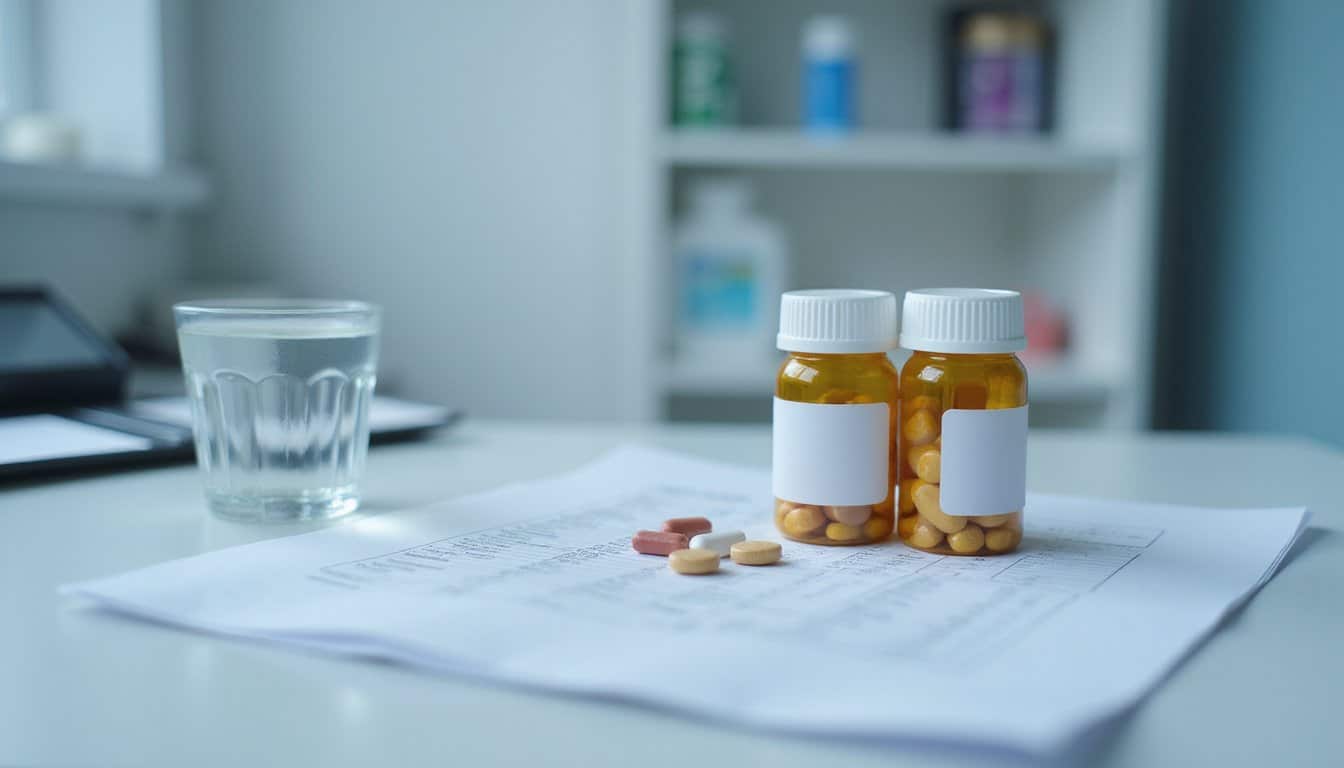
 Understanding the medication options available for alcohol use disorder treatment marks an essential step in your recovery path. Three FDA-approved medications can help you overcome alcohol dependence: naltrexone, acamprosate, and disulfiram. Each works differently to support your recovery goals. Naltrexone reduces cravings by blocking alcohol's pleasurable effects and is available in daily pills or monthly injections. Acamprosate helps maintain abstinence by stabilizing brain chemistry after you've stopped drinking. While disulfiram creates unpleasant reactions if you consume alcohol, it's less commonly prescribed due to compliance challenges. Your healthcare provider will determine ideal dosage considerations based on your specific situation. Currently, there's no evidence supporting combination therapy outlook, though research continues. You'll likely receive these medications alongside counseling for the most effective treatment approach.
Recognizing the Signs and Getting Professional Assessment
Planning Your Safe Medical Detoxification Journey
Safe medical detoxification requires systematic planning and professional oversight to minimize withdrawal risks. You'll undergo a comprehensive medical evaluation to assess your physical and mental health status, substance use history, and potential risk factors. Your healthcare team will use standardized tools to determine the most appropriate detox setting, either inpatient or outpatient. For moderate to severe cases, you'll need a facility equipped with 24/7 monitoring and emergency intervention capabilities. Most physical withdrawal symptoms will last 5-7 days. Your treatment will include prescribed medications to manage withdrawal symptoms, vital sign monitoring, and nutritional support. The medical team will track your progress using protocols designed for your specific needs. The first 6-8 hours of detox typically bring mild withdrawal symptoms that require careful management. The treatment referral process and aftercare coordination begin during detox, ensuring you'll move smoothly into ongoing rehabilitation services, therapy, and relapse prevention programs that match your recovery goals.Managing Withdrawal Symptoms Under Medical Care
Recognizing Withdrawal Warning Signs
When stopping alcohol consumption, recognizing withdrawal warning signs becomes necessary for safety and successful recovery. Initial symptoms typically emerge within 6-12 hours after your last drink, and they can rapidly progress to severe complications. Understanding these signs helps in managing delirium tremens and identifying seizure risks, which are most critical during the prime 48 hours of cessation. Symptoms can intensify and continue for up to weeks after stopping alcohol consumption. Supportive medical treatment with benzodiazepine medications is often necessary to help manage moderate to severe withdrawal symptoms. Withdrawal symptoms generally begin after 8 hours following the last alcoholic drink consumed.- Watch for initial symptoms like anxiety, tremors, sweating, and sleep problems
- Monitor key signs, including heart rate and blood pressure changes
- Note any confusion, memory issues, or difficulty recognizing time and place
- Pay attention to escalating symptoms such as hallucinations or extreme agitation
- Seek immediate medical care if you experience seizures, severe confusion, or fever
Safe Medication During Detox
Medical supervision during alcohol detox is essential for safely managing withdrawal symptoms through appropriate medication protocols. Your doctor will typically prescribe benzodiazepines as the primary treatment, carefully monitoring for medication complications and adjusting dosages based on your withdrawal severity. Withdrawal symptoms begin within 6 hours after your last drink. A symptom-triggered approach helps determine when and how much medication to administer. If you have liver problems, medications like lorazepam or oxazepam are preferred since they don't rely on liver metabolism. Your healthcare team will assess potential medication interactions with any existing prescriptions you're taking. Antipsychotic medications may be prescribed to manage severe agitation and hallucinations during detox. For severe symptoms, you might receive additional medications like anticonvulsants to prevent seizures or beta-blockers to control blood pressure. Treatment usually lasts less than a week, with medication doses gradually decreasing as your symptoms improve. Throughout the process, you'll be closely monitored to guarantee the medications are effectively managing your withdrawal while preserving your safety.Monitor Vital Health Markers
Thorough health monitoring forms the cornerstone of safe alcohol withdrawal management. During detox, you'll undergo ongoing monitoring of critical signs, physical symptoms, and mental status to guarantee your safety. Medical staff will conduct regular assessments using standardized scales like CIWA-Ar to track withdrawal severity and adjust your care accordingly.- Blood tests will check your liver function, electrolytes, and screen for other substances
- ECG monitoring may detect heart rhythm abnormalities that can occur during withdrawal
- Regular vital sign checks track your blood pressure, heart rate, temperature, and breathing
- Mental status evaluations assess for confusion, hallucinations, or signs of delirium
- Preventative care includes fall precautions and early intervention for complications
Understanding Your Medication Options for Recovery
Building Your Support Network Through Counseling and Therapy
Professional counseling provides essential psychological support to address the root causes of your alcohol addiction, with evidence showing that cognitive-behavioral therapy can lead to a 68% improvement in recovery outcomes within six months. You'll benefit most from joining peer support groups like Alcoholics Anonymous, which are proven to increase abstinence rates and provide indispensable accountability during your recovery path. The combination of individual therapy and group support creates an all-encompassing treatment approach that markedly reduces your risk of relapse, particularly during the pivotal initial three months after quitting alcohol.Individual Counseling Benefits
When seeking recovery from alcohol addiction, individual counseling serves as a cornerstone of effective treatment by providing personalized support and evidence-based interventions. Through customized treatment plans, you'll work with professionals who address underlying psychological factors while developing essential coping strategies for long-term sobriety. Individual therapy integrates effectively with other treatment modalities, enhancing your overall reclamation process.- Learn to identify triggers and develop advanced relapse prevention skills
- Receive confidential, nonjudgmental support from trained therapists who understand addiction
- Address co-occurring mental health conditions that may fuel your drinking
- Strengthen your coping mechanisms through proven techniques like CBT and motivational interviewing
- Build practical life skills to manage daily stressors without turning to alcohol
Support Groups Matter Most
Building a strong support network through group therapy and peer programs stands as one of the most powerful tools for achieving lasting sobriety. Research shows that participation in support groups reduces relapse risk by up to 35% compared to other interventions, with 90% maintaining abstinence after ten years of continuous involvement. You'll benefit from establishing peer mentor relationships and engaging in community engagement activities, as 77% of participants report increased feelings of connection. These groups provide essential emotional support, practical guidance, and role modeling from others who've successfully navigated recovery. When combined with professional treatment, support groups greatly amplify your chances of maintaining long-term sobriety while reducing healthcare costs. The accountability, knowledge sharing, and social reinforcement you'll receive create a sturdy foundation for sustained recovery and improved self-esteem.Creating a Long-Term Recovery Strategy
Successful long-term recovery from alcohol addiction requires an extensive, well-planned strategy that addresses multiple aspects of rehabilitation. Building a daily routine and managing lifestyle changes are fundamental components that will support your sobriety journey. Research shows that structured schedules considerably reduce relapse risks while promoting healthy habits and emotional stability.Creating structure through daily routines and lifestyle changes is essential for maintaining sobriety and reducing relapse risks in alcohol recovery.
- Establish a consistent daily schedule with set times for meals, sleep, and exercise
- Develop stress management techniques through mindfulness and relaxation exercises
- Engage in regular behavioral therapy sessions to improve coping mechanisms
- Build and maintain a strong support network of peers, family, and professionals
- Create a detailed relapse prevention plan that identifies triggers and response strategies