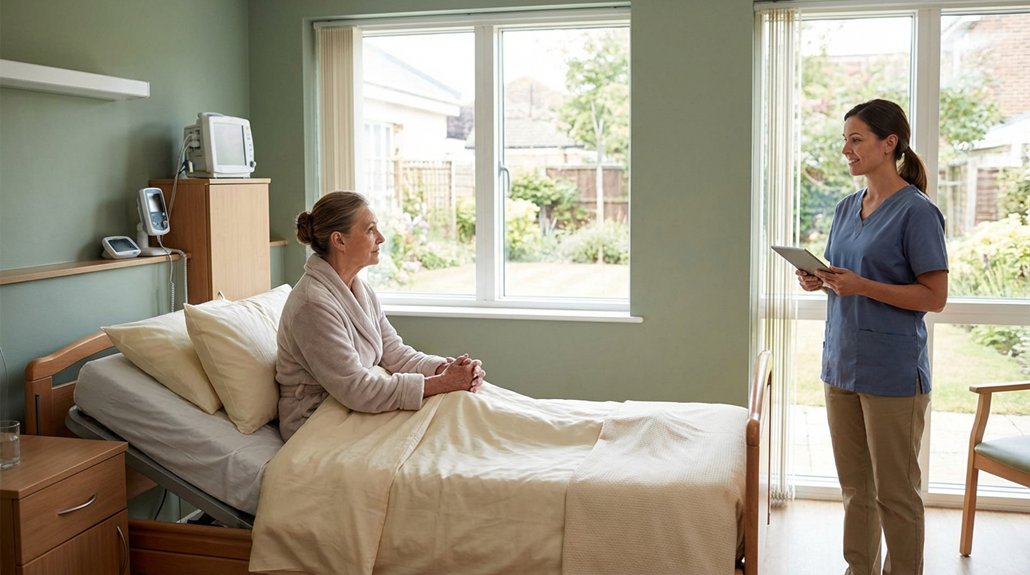
Inpatient treatment for depression is designed for you if you're experiencing
severe symptoms,
persistent suicidal ideation, or
treatment-resistant depression that hasn't improved with outpatient care. You'll benefit from
24/7 monitoring, medication adjustments under psychiatric supervision, and evidence-based therapies like CBT and DBT. This level of care becomes necessary when you need constant supervision and a structured environment to stabilize. Understanding the specific warning signs and therapeutic components can help you determine if this intervention fits your situation.
Who Benefits Most From Inpatient Depression Treatment
When does depression become severe enough to warrant
inpatient care? You're a candidate for inpatient depression treatment when your symptoms pose immediate safety risks or haven't responded to outpatient interventions.
Severe depression treatment becomes necessary if you're experiencing
suicidal ideation,
self-harm urges, or
emotional instability requiring constant supervision. Inpatient care provides a structured environment where healthcare professionals can closely monitor your condition and tailor treatment strategies. The
typical length of depression treatment in such settings can vary but generally lasts from a few days to several weeks, depending on the individual’s response to therapy and medication adjustments. Mental health hospitalization serves you best when you need 24/7 monitoring for medication adjustments, have co-occurring disorders like bipolar depression, or require somatic therapies such as electroconvulsive treatment. Depression crisis care delivers measurable results, studies show responder rates reaching 86.6% among patients with high symptom severity at admission. The
focused environment removes distractions of daily life, work, and social obligations, allowing you to concentrate fully on understanding your emotions and building recovery strategies. You'll also benefit if previous outpatient treatments failed. The multidisciplinary team approach addresses
treatment-resistant cases through individualized,
high-intensity interventions unavailable in less structured settings. The scope of this need is substantial, as
approximately 25% of all inpatient treatments in Germany are due to depressive disorders.
Warning Signs That Indicate Inpatient Care Is Necessary
Although depression exists on a spectrum of severity, certain clinical indicators signal that outpatient care can no longer provide adequate support. When you experience persistent suicidal ideation, treatment-resistant symptoms, or profound functional impairment, psychiatric hospitalization becomes clinically indicated. Recognizing these warning signs helps you understand depression treatment levels and when mental health stabilization requires intensive intervention. Compulsive behaviors such as gambling, shopping, or overeating may provide temporary relief but ultimately lead to
shame and deepening depression, requiring specialized therapeutic modalities to identify triggers and break destructive cycles.
| Warning Sign Category |
Clinical Indicators |
Treatment Implication |
| Suicidal Ideation |
Persistent thoughts, escalating intensity |
Immediate safety monitoring required |
| Substance Co-occurrence |
Dual diagnosis patterns, compulsive use |
Integrated inpatient treatment for depression |
| Functional Collapse |
Inability to perform self-care, isolation |
Round-the-clock structured support |
| Treatment Resistance |
Failed outpatient interventions |
Thorough diagnostic reevaluation |
| Relationship Deterioration |
Severe social impairment, conflict escalation |
Family therapy and communication training |
The Growing Need for Intensive Mental Health Services
The clinical indicators that signal a need for inpatient care reflect a broader pattern:
mental health service demand has surged beyond current system capacity. Depression searches increased 231% from 2023 to 2024, while
intensive outpatient inquiries rose 112%. You're seeking care in a system under strain. Contributing factors include
loneliness, economic uncertainty, and social media use, which have driven rising depression rates across populations. The U.S. needs an additional
15,400 psychiatrists and
57,490 psychologists by 2025. This shortage directly impacts access to psychiatric inpatient care for depression and high-acuity mental health care. Twenty-five percent of adults with mental illness reported
unmet treatment needs in 2022-2023. The mental health services industry remains
highly fragmented with many small independent operators, making coordinated care delivery more challenging. When you require behavioral health hospitalization, bed availability in an inpatient mental health unit depends on workforce capacity and funding allocation.
Government mental health spending has remained at 2% of total health budgets since 2017, limiting infrastructure expansion despite escalating demand.
Core Components and Therapeutic Approaches in Inpatient Settings
Inpatient depression treatment integrates multiple evidence-based interventions delivered by a multidisciplinary team. You'll receive cognitive behavioral therapy (CBT) to address maladaptive thought patterns, while dialectical behavior therapy (DBT) builds emotional regulation and distress tolerance skills. Group therapy provides psychoeducation, peer support, and structured skill development.
| Therapy Type |
Primary Focus |
| CBT |
Cognitive restructuring, challenging negative thinking |
| DBT |
Emotional regulation, interpersonal effectiveness |
Medication management remains central to your treatment plan. Psychiatrists evaluate your symptoms, prescribe appropriate medications like SSRIs, and monitor efficacy throughout your stay. Nursing staff provides daily symptom assessment and stabilization support. This coordinated approach guarantees therapeutic interventions align with pharmacological treatment, maximizing your clinical outcomes during the stabilization phase. Upon discharge, many patients transition to an intensive outpatient program, which offers
flexible scheduling to accommodate their daily routines while continuing therapeutic support.
What to Expect During Your Inpatient Treatment Journey
How does the
inpatient treatment process unfold from the moment you're admitted? Hospital treatment for depression begins with an exhaustive
diagnostic evaluation to assess your major depressive disorder (MDD) severity and establish baseline metrics. Your structured mental health treatment follows a predictable daily framework:
- Morning group meetings establish therapeutic goals and prepare you for the day's interventions
- Individual and group therapy sessions address cognitive distortions using evidence-based modalities like CBT and DBT
- Psychiatric consultations monitor medication efficacy and adjust pharmacological protocols based on your response patterns
- Evening hours incorporate relaxation techniques and journaling to support emotional regulation
Throughout inpatient psychiatric services, your care team conducts regular
progress evaluations, modifying treatment plans to optimize outcomes and prepare you for step-down care. If you encounter any issues accessing your digital patient portal or treatment resources, you may need to
try accessing the content again later or contact your care coordinator for assistance. Being removed from the stressors of everyday life in a
private and home-like facility allows you to focus entirely on your healing journey. Participating in
residential treatment for depression provides an opportunity to engage in therapeutic activities tailored to your individual needs. These programs are designed to foster a supportive environment, where you can develop coping strategies and build resilience.
Frequently Asked Questions
How Much Does Inpatient Depression Treatment Cost Without Insurance Coverage?
Without insurance, you'll typically pay $500 to $2,000 daily for inpatient depression treatment, though some facilities charge as low as $200 per day.
Monthly costs range from $6,000 to $60,000, depending on your program's duration, location, and care intensity.
Admission fees of $3,000 to $4,000 may apply at certain centers. You should contact facilities directly, as many offer
sliding-scale fees, payment plans, and financial assistance to help manage these expenses.
Can I Bring Personal Items Like My Phone During Inpatient Stay?
You can bring certain
personal items, but
phones are typically restricted or supervised during inpatient stays. Most facilities prohibit electronics with internet, camera, or recording capabilities to maintain therapeutic focus. You're generally allowed
unopened toiletries, prescription medications in original containers, comfortable clothing for about a week, glasses, and comfort items like journals or photos without frames. You should check your specific facility's list beforehand to avoid admission delays.
Will My Employer Be Notified if I Enter Inpatient Treatment?
No, your employer won't be automatically notified if you enter
inpatient treatment.
HIPAA's Privacy Rule protects your mental health information, requiring your authorization before any disclosure to employers. If you need time off,
FMLA allows leave for inpatient care without revealing your specific diagnosis, you'll only need certification confirming a serious health condition. State laws like California's CMIA provide additional protections, keeping your treatment records confidential from your workplace.
How Do I Arrange Childcare or Pet Care During Hospitalization?
You should identify
trusted family members, friends, or professional caregivers well before your admission date. Prepare
written documentation of care instructions, emergency contacts, and specific schedules for both children and pets. Share this information with your designated caregivers to guarantee continuity.
Treatment facility social workers can provide referrals to local childcare services and pet care providers if you lack available support. Creating a
coordinated written plan reduces barriers to accessing treatment.
Can Visitors Come See Me While I'm Receiving Inpatient Treatment?
Yes, most facilities allow visitors, but
policies vary and depend on your individual treatment plan. Your clinical team assesses whether visits support your recovery. Expect restrictions during the initial stabilization period, typically the first few weeks. You'll need to approve visitors in advance, and visits occur during
designated hours in common areas. You retain the
right to decline any visitor. Staff may restrict visits if they determine someone negatively impacts your progress.

 When does depression become severe enough to warrant inpatient care? You're a candidate for inpatient depression treatment when your symptoms pose immediate safety risks or haven't responded to outpatient interventions. Severe depression treatment becomes necessary if you're experiencing suicidal ideation, self-harm urges, or emotional instability requiring constant supervision. Inpatient care provides a structured environment where healthcare professionals can closely monitor your condition and tailor treatment strategies. The typical length of depression treatment in such settings can vary but generally lasts from a few days to several weeks, depending on the individual’s response to therapy and medication adjustments. Mental health hospitalization serves you best when you need 24/7 monitoring for medication adjustments, have co-occurring disorders like bipolar depression, or require somatic therapies such as electroconvulsive treatment. Depression crisis care delivers measurable results, studies show responder rates reaching 86.6% among patients with high symptom severity at admission. The focused environment removes distractions of daily life, work, and social obligations, allowing you to concentrate fully on understanding your emotions and building recovery strategies. You'll also benefit if previous outpatient treatments failed. The multidisciplinary team approach addresses treatment-resistant cases through individualized, high-intensity interventions unavailable in less structured settings. The scope of this need is substantial, as approximately 25% of all inpatient treatments in Germany are due to depressive disorders.
 The clinical indicators that signal a need for inpatient care reflect a broader pattern: mental health service demand has surged beyond current system capacity. Depression searches increased 231% from 2023 to 2024, while intensive outpatient inquiries rose 112%. You're seeking care in a system under strain. Contributing factors include loneliness, economic uncertainty, and social media use, which have driven rising depression rates across populations. The U.S. needs an additional 15,400 psychiatrists and 57,490 psychologists by 2025. This shortage directly impacts access to psychiatric inpatient care for depression and high-acuity mental health care. Twenty-five percent of adults with mental illness reported unmet treatment needs in 2022-2023. The mental health services industry remains highly fragmented with many small independent operators, making coordinated care delivery more challenging. When you require behavioral health hospitalization, bed availability in an inpatient mental health unit depends on workforce capacity and funding allocation. Government mental health spending has remained at 2% of total health budgets since 2017, limiting infrastructure expansion despite escalating demand.