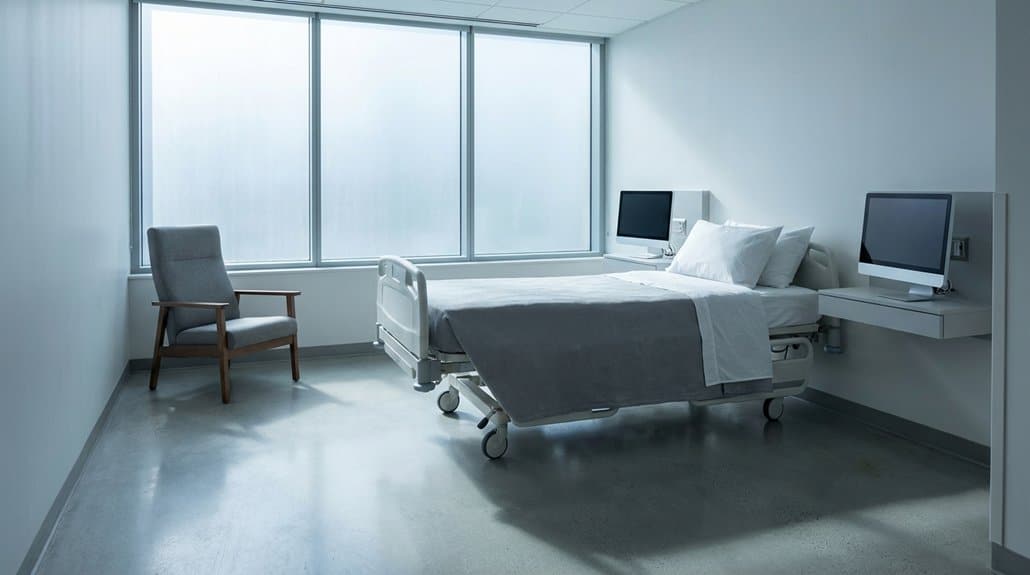
Your inpatient treatment for depression typically lasts 3, 14 days for acute crisis stabilization, with an average hospital stay of approximately 7.6 days. For more complex cases, residential programs can extend to 30, 90 days. Several factors influence how long inpatient treatment for depression lasts, including symptom severity, suicidal ideation, treatment response, and co-occurring conditions. Research shows programs exceeding 30 days demonstrate higher success rates. Understanding these variables can help you anticipate what your treatment timeline might look like.
Average Length of Stay for Inpatient Depression Treatment
When you're admitted for
inpatient depression treatment, the length of stay depends on whether you're in a
hospital-based program or a
residential facility. The average inpatient psych stay for
hospital-based care typically ranges from 3-7 days, with depressive disorders averaging approximately 7.6 days. Hospital stays generally don't exceed 30 days.
Residential treatment programs for depression operate differently. Your
inpatient depression treatment length in these settings typically extends 30-45 days, with some programs lasting three months or longer. Research shows success rates of 84% for programs exceeding 30 days compared to 55% for shorter stays. Longer care is often available for
complex cases involving co-occurring mental health or substance use disorders. Patients with
recurrent depressive disorder, more severe symptoms, or impaired social functioning typically require extended treatment durations. Regional variations also affect duration. German studies document averages ranging from 36.8 to 64.3 days across different hospitals, demonstrating significant
facility-based differences even after adjusting for
patient complexity.
Short-Term Inpatient Stays for Acute Depression Crisis
When you're admitted for
acute depression crisis, stabilization typically follows a focused timeline of days rather than weeks, with many patients achieving sufficient stability within
3 to 7 days. Weekend intervention programs and short-term crisis units provide intensive
24/7 monitoring while clinicians assess your response to medication adjustments and therapeutic interventions. These acute interventions aim to
stabilize behavioral issues while addressing the immediate mental health crisis in a safe hospital environment. The presence of
co-occurring conditions such as substance use disorders may influence how quickly you progress through stabilization and affect your overall length of stay. Your
discharge readiness depends on specific criteria, including resolution of active suicidal ideation, demonstrated ability to engage in safety planning, and confirmation of appropriate follow-up care arrangements.
Crisis Stabilization Timeline
Although
crisis stabilization timelines vary by individual, most
acute inpatient stays for depression last between 3 and 14 days, with the average reaching approximately 10 days. During this crisis stabilization timeline, you'll receive 24/7 medical supervision while the treatment team focuses on
psychiatric stabilization and
symptom reduction. The primary objectives during your stay include:
- Addressing immediate safety concerns, including suicidal ideation
- Adjusting or initiating medication under close monitoring
- Reducing acute depressive symptoms that impair daily functioning
- Developing basic coping strategies for post-discharge management
- Establishing connections to outpatient services for continuity of care
Your discharge timing depends on how quickly you respond to interventions. Once you demonstrate
emotional stability, show no immediate safety risk, and have confirmed
follow-up care arrangements, you're ready to move to a
lower level of treatment. Throughout this process,
multidisciplinary teams including psychiatrists, therapists, nurses, and case managers collaborate daily through structured meetings to review your progress and adjust your treatment plan accordingly. Additionally, it's important to recognize the
signs that indicate inpatient treatment may be necessary for some individuals. These may include severe mood disturbances, self-harm behaviors, or suicidal thoughts that persist despite outpatient efforts. By identifying these signs early, teams can ensure timely and effective intervention, ultimately promoting a smoother transition to lower levels of care.
Weekend Intervention Programs
Because some individuals can't step away from work or caregiving responsibilities for extended periods,
weekend intervention programs offer a
concentrated treatment alternative for
acute depression crises. These weekend rehab formats deliver
intensive therapeutic interventions from Friday through Sunday, incorporating individual counseling, group therapy, and skill-building workshops within a compressed timeframe. You'll receive structured clinical support while maintaining your weekday obligations. This approach bridges the gap between traditional short-term psychiatric hospitalization and outpatient care. Medical professionals conduct
holistic assessments to determine if weekend programming matches your symptom severity and safety needs. These programs focus on
rapid stabilization, coping strategy development, and crisis resolution. If initial assessments reveal more complex needs,
treatment may extend beyond the weekend to provide additional care. You'll work with treatment teams to establish follow-up plans ensuring
continuity of care. Weekend interventions prepare you for migration to intensive outpatient programming or standard outpatient therapy upon completion. Following weekend stabilization, providers may recommend
aftercare and sober living options to support your continued recovery journey.
Discharge Readiness Criteria
Discharge readiness criteria establish objective clinical benchmarks that determine whether you've
stabilized sufficiently to leave inpatient care safely. Your treatment team evaluates multiple factors before
authorizing your movement to a lower level of care. You must demonstrate:
- Resolution of imminent threat to yourself or others
- Reduction of psychotic or neurotic symptoms requiring hospitalization
- Improved functioning through active treatment participation
- Clinical stability eliminating the need for 24-hour observation
- Ability to engage safely in outpatient treatment settings
Discharge planning begins at admission, not when you're leaving. Your treatment team coordinates with outpatient providers and involves family members to guarantee continuity. You're ready for discharge when you can be
effectively treated in partial hospitalization, intensive outpatient, or standard outpatient programs with appropriate aftercare services arranged.
Long-Term Residential Treatment Options for Depression
Long-term residential treatment provides an
intensive option for individuals whose depression hasn't responded adequately to
shorter interventions or outpatient care. These programs typically range from
90 days to two years, depending on symptom severity and treatment response. Unlike acute inpatient mental health length of stay, residential care focuses on
sustained recovery rather than crisis stabilization. You'll receive
24/7 professional support within a structured environment that includes individual therapy, group sessions, and medication management. Evidence-based approaches like CBT and IPT address underlying patterns while
life skills training prepares you for independent functioning. The
therapeutic community environment allows clients to learn from positive peer interactions and integrate new emotional and behavioral skills. Psychiatric length of stay variability reflects each person's unique needs, some stabilize within months, while
treatment-resistant cases require extended durations. Programs emphasize emotional balance, healthier lifestyle practices, and relationship skills to support lasting recovery outcomes. A 90-day program can cost between
$15,000 to $60,000, with expenses varying based on the facility's location and specialized services offered.
How Depression Severity Affects Length of Stay
When determining
inpatient depression treatment duration,
symptom severity serves as the primary clinical indicator guiding length of stay decisions. Your depression hospitalization duration correlates directly with symptom intensity, mild cases typically require 7-14 days, while severe presentations often extend to 30-90 days. Research indicates each 10% increase in depression severity corresponds to a 10% greater hospital encounter risk. The presence of
co-occurring conditions can further complicate treatment and extend the time needed for stabilization.
Symptom severity directly determines your hospital stay length, from 7-14 days for mild depression to 30-90 days for severe cases.
Several factors affecting inpatient stay length include:
- Acute suicidal ideation extends stays beyond the typical 3-7 day crisis stabilization period
- Severe functional impairment preventing basic self-care prolongs treatment
- Moderately severe symptoms increase MDD-related hospitalization risk by 27-164%
- Persistent self-harming behaviors necessitate extended monitoring
- Treatment-resistant presentations require additional time for medication optimization
Your clinical team continuously reassesses progress to determine
appropriate discharge timing. Throughout your stay, treatment approaches such as
Cognitive Behavioral Therapy and medication management are tailored to address your specific symptoms and support recovery.
The Role of Co-Occurring Conditions in Treatment Duration
Beyond symptom severity alone,
co-occurring conditions markedly extend inpatient
depression treatment duration and complicate clinical decision-making. When you present with co-occurring
substance use disorder and depression, your treatment timeline increases extensively compared to
single-condition diagnoses. Research confirms that treating depression alone doesn't reduce substance use, and addressing substance use alone won't resolve depression, both require
simultaneous intervention. Your
acute psychiatric stay duration extends further when clinicians must establish abstinence periods lasting weeks to months before making accurate psychiatric diagnoses.
Withdrawal symptoms can mask or mimic primary mental health conditions, necessitating thorough 24-hour observation and extended neuropsychological evaluations. The risk is particularly concerning given that
23.6% of individuals who died of overdose were diagnosed with depressive disorder, underscoring why careful monitoring during inpatient treatment is essential. Integrated care models employing
multidisciplinary teams, psychiatrists, addiction specialists, and psychologists working collaboratively, produce superior outcomes. These treatment approaches address the
cycle of self-medicating that often develops when individuals use substances to cope with their mental health conditions. While initial assessment periods lengthen your stay, coordinated intervention ultimately improves treatment effectiveness and reduces relapse risk.
Transitioning From Inpatient Care to Outpatient Programs
The shift from
inpatient care to outpatient programs represents a critical phase in your depression recovery that requires careful planning to prevent relapse and readmission.
Effective discharge planning depression protocols involve coordinating between your treatment team, family members, and outpatient providers to guarantee seamless continuity of care.
Careful discharge planning bridges inpatient and outpatient care, creating the seamless support system your depression recovery demands.
Mental health case management connects you with appropriate step-down services based on your stabilization level and ongoing needs. IOP serves as
a bridge between inpatient treatment and independent recovery, helping you maintain progress while gradually resuming daily responsibilities. Ongoing
consistent and caring support throughout this transition can make a significant difference in continuing your healing journey. Key change-over care elements include:
- Intensive Outpatient Programs offering structured therapy while you live at home
- Partial Hospitalization Programs providing 7-9 hours of daily treatment
- Care Transition Navigator sessions before and after discharge
- Individualized plans addressing emotional regulation and coping strategies
- Regular progress assessments to adjust your evolving treatment needs
Direct transitions from inpatient to independence amplify relapse risks considerably.
Frequently Asked Questions
Can I Leave Inpatient Depression Treatment Early if I Feel Better?
You can request to
depart early, but your treatment team will evaluate whether you're truly stable or if feeling better reflects temporary symptom relief. Premature discharge increases
relapse risk, especially if
underlying issues remain unaddressed. Clinicians assess safety, medication response, and discharge readiness, not just self-reported improvement. If you leave against
medical advice, you'll miss critical stabilization and follow-up planning. Discuss your concerns with your care team to guarantee a safe departure.
How Much Does Inpatient Depression Treatment Cost Without Insurance?
Without insurance, you'll typically pay between $500 and $2,000 per day for inpatient depression treatment, with monthly costs ranging from $6,000 to $60,000. In Tennessee, rates fall between $200 and $1,000 daily. Several factors influence your total cost, including facility location, level of care, program duration, therapy types offered, and amenities provided. These costs cover therapy sessions, medical supervision, housing, meals, and extensive support services throughout your stay.
Will My Job Be Protected While I Receive Inpatient Depression Treatment?
Your job may be protected under the Family and Medical Leave Act (FMLA), which provides up to 12 weeks of unpaid,
job-protected leave for
serious health conditions, including
inpatient depression treatment. You'll need to work for a covered employer (50+ employees), have 12 months of service, and 1,250 hours worked. Some states offer additional protections or paid leave options. You'll need healthcare provider documentation certifying your inpatient treatment need.
Can Family Members Visit During an Inpatient Depression Treatment Stay?
Yes, you can typically receive
family visits during inpatient depression treatment, though policies vary by facility. Most programs restrict visits during your
initial stabilization phase (usually 3-7 days) to protect your early recovery. After this period, you'll generally have scheduled visiting windows ranging from 30 minutes to 2 hours. Your treatment team assesses visit permissions based on your
symptom severity, safety status, and therapeutic progress.
What Personal Items Am I Allowed to Bring to Inpatient Treatment?
You can bring comfortable clothing without strings or ties, toiletries without alcohol or aerosols, and current medications in original packaging. Facilities typically allow
comfort items like family photos, a favorite book, or a stress ball. You'll want
non-slip footwear and seasonal outerwear. Electronics, sharp objects, and alcohol-based products aren't permitted. Each facility has specific guidelines, so you should confirm their
approved items list before your admission.