
Alcohol addiction hijacks your brain's reward system through complex interactions between dopamine, GABA, and glutamate neurotransmitters. When you drink, alcohol triggers dopamine release while enhancing GABA's inhibitory effects and disrupting glutamate signaling. Over time, these changes alter receptor sensitivity, creating dependency and withdrawal symptoms when you stop. Your brain adapts by reducing natural GABA function while increasing glutamate activity, leading to structural changes that perpetuate the addiction cycle. Understanding these neurological mechanisms reveals essential pathways to effective treatment.
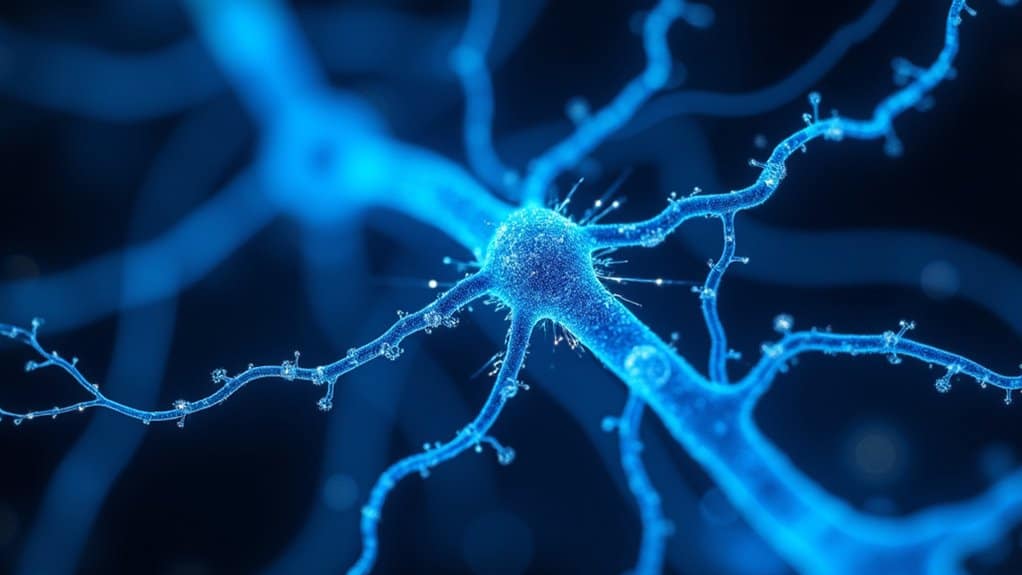 The dopamine system plays a pivotal role in alcohol addiction through its complex interactions with the brain's reward and motivational circuitry. When you consume alcohol, it triggers dopamine release in your nucleus accumbens shell, creating powerful psychological dependence through altered dopamine receptor dynamics and endogenous opioid regulation. The brain's dopamine receptors are divided into D1-like and D2-like families that process these alcohol-induced signals. Research indicates that D2 receptor antagonists can significantly reduce alcohol consumption. Even the mere thought of drinking can cause dopamine production to increase. Unlike natural rewards that typically show habituation, alcohol maintains consistent dopamine release, leading to compulsive behavior. You'll experience a shift in motivation as your reward pathways become impaired, prioritizing alcohol over essential life reinforcers like food and family. Research shows that disrupting dopaminergic neurons can decrease alcohol preference by up to 60%, while restoring dopamine function through cell transplants reduces voluntary intake by 40-50%. These findings demonstrate how dopamine signaling directly influences drinking behaviors and addiction development.
 While the brain's reward system plays an essential role in initial alcohol use, chronic exposure fundamentally alters stress circuits that perpetuate addiction. You'll find that persistent alcohol use creates significant neurotransmitter imbalances, particularly affecting corticotropin-releasing factor and the HPA axis. These changes lead to heightened stress responses, making you more vulnerable to relapse when faced with stressful situations.
The neural pathways involved in alcohol addiction reveal a complex interplay between memory formation and reward circuitry. When you consume alcohol, it disrupts hippocampal function and NMDA receptor activation, impairing your ability to form new memories while leaving existing ones largely intact. Prefrontal cortex alterations further compromise your decision-making abilities and impulse control.
While the brain's reward system plays an essential role in initial alcohol use, chronic exposure fundamentally alters stress circuits that perpetuate addiction. You'll find that persistent alcohol use creates significant neurotransmitter imbalances, particularly affecting corticotropin-releasing factor and the HPA axis. These changes lead to heightened stress responses, making you more vulnerable to relapse when faced with stressful situations.
The neural pathways involved in alcohol addiction reveal a complex interplay between memory formation and reward circuitry. When you consume alcohol, it disrupts hippocampal function and NMDA receptor activation, impairing your ability to form new memories while leaving existing ones largely intact. Prefrontal cortex alterations further compromise your decision-making abilities and impulse control.
The Dopamine System's Role in Alcohol Dependence
GABA and Glutamate: Key Players in Brain Chemistry
You'll find that alcohol's effects on brain chemistry center on two vital neurotransmitter systems: GABA's inhibitory action, which alcohol initially amplifies, and glutamate's excitatory function, which alcohol subdues. Your brain adapts to chronic alcohol exposure by reducing GABA receptor sensitivity while increasing glutamate receptors, creating a precarious neurochemical imbalance. When you stop drinking, this adaptation triggers withdrawal symptoms as your brain's heightened glutamate activity goes unchecked by alcohol's usual GABA-boosting effects. The chronic exposure to alcohol ultimately leads to structural and functional changes in GABA receptors, making it harder for the brain to maintain healthy inhibitory signaling. These receptors are part of the ion channel family that regulates rapid inhibitory neurotransmission throughout the central nervous system. The resulting imbalance produces withdrawal symptoms ranging from anxiety and insomnia to more severe manifestations like seizures.Neural Inhibition Through GABA
While multiple neurotransmitters influence alcohol addiction, GABA emerges as a central player by serving as the brain's primary inhibitory neurotransmitter. When you consume alcohol, it acts as an indirect GABA agonist, enhancing both phasic GABA signaling and extrasynaptic GABA inhibition. This dual action leads to widespread neural suppression across your brain circuits. Research shows that voltage-gated calcium channels are significantly impaired by alcohol consumption, disrupting normal neurotransmitter release patterns. Additionally, alcohol strongly inhibits glutamate signaling at NMDA receptors, further contributing to neural depression.- Your brain's natural inhibitory control becomes compromised as chronic alcohol use disrupts GABAergic plasticity
- You'll experience reduced cognitive function as GABA receptors diminish in pivotal brain regions
- Your reward pathways become hijacked through alcohol's impact on GABA-dopamine interactions
Glutamate System Adaptations
Understanding glutamate system adaptations reveals a vital neurobiological mechanism in alcohol addiction. You'll find that chronic alcohol use disrupts glutamate homeostasis, particularly in the nucleus accumbens and amygdala, leading to heightened extracellular levels and glutamate receptor dysregulation. Previous studies have shown mixed results in glutamatergic metabolism, especially in the anterior cingulate cortex during withdrawal and abstinence periods. Recent research indicates that first human study demonstrated decreased glutamate levels in alcohol-dependent individuals when exposed to drinking cues. When you examine the reward circuits, you'll notice that alcohol-dependent patients show considerably higher glutamate concentrations post-detoxification. This dysregulation triggers excitotoxicity mechanisms, especially during withdrawal and cue exposure. The process involves complex adaptations in metabotropic glutamate receptors, with mGluR5 and mGluR2 playing pivotal roles in dependence development. Research shows that blockade of mGluR5 effectively reduces alcohol-seeking behaviors. Changes in glutamatergic neurotransmission within the anterior cingulate cortex and amygdala directly correlate with craving intensity and relapse vulnerability. These neuroadaptations create a persistent cycle of seeking behavior and amplified relapse risk, making glutamate modulation a key target for addiction treatment.Receptor Changes During Withdrawal
The complex interplay between GABA and glutamate receptors defines the neurobiological terrain of alcohol withdrawal. Time-dependent receptor changes manifest through downregulation of GABA₍A₎ receptors and compensatory plasticity mechanisms in critical brain regions. You'll find that chronic alcohol exposure triggers adaptive responses, leading to decreased GABAergic inhibition and heightened glutamatergic excitation during withdrawal. The persistent drinking patterns often result in cross-tolerance to benzodiazepines, complicating treatment approaches during withdrawal. Studies reveal that patients exhibit elevated glutamate levels in the anterior cingulate cortex during early withdrawal.- Your brain's neural circuits become hyperexcitable, potentially triggering life-threatening seizures
- You're experiencing profound receptor disruptions across multiple brain regions, affecting cognition and emotion
- Your withdrawal symptoms reflect a dangerous imbalance between inhibitory and excitatory neurotransmission
Understanding the Three-Stage Addiction Cycle
Your brain undergoes significant adaptations during alcohol addiction, with withdrawal symptoms intensifying your drive to maintain consumption through negative reinforcement. When you repeatedly expose yourself to alcohol, the brain's reward and stress systems become dysregulated, leading to progressively severe withdrawal states mediated by the extended amygdala. These neuroadaptations create a self-perpetuating cycle where withdrawal-induced distress and intense cravings compel you to seek alcohol, despite mounting negative consequences.Withdrawal Drives Further Consumption
Withdrawal kicks off a powerful cycle that drives continued alcohol consumption through a complex interplay of neurobiological mechanisms. When you stop drinking, your brain's stress signaling escalation triggers both physical and emotional symptoms, creating a negative reinforcement cycle that compels you to drink again, not for pleasure, but to escape discomfort. Your brain's adaptation to chronic alcohol exposure creates lasting changes in neurotransmitter systems, particularly affecting GABA and glutamate balance. These neuroadaptations persist long after your last drink, making you more susceptible to stress and less responsive to natural rewards.- You'll experience tremors, nausea, and anxiety within 6-24 hours of stopping
- Your brain's reward circuits become increasingly desensitized, making normal pleasures feel flat
- Your stress response system becomes hyperactive, intensifying emotional distress and craving
Brain Adaptations Fuel Cravings
Three distinct stages characterize alcohol addiction's impact on brain circuitry, driving a self-perpetuating cycle of craving and consumption. Your brain undergoes significant neuroadaptive changes as alcohol use progresses, particularly in the mesolimbic system responsible for reward processing and motivation. The concept of incentive salience explains why you'll experience intensified cravings when encountering alcohol-related cues. Your basal ganglia's reward circuits become hypersensitive to these triggers, while your prefrontal cortex's executive control weakens. You'll notice environmental stimuli gaining powerful motivational significance, even after periods of abstinence, due to deeply embedded associative memories. These adaptations affect multiple neural pathways, including those governing reward, memory, and stress response, making it increasingly difficult to resist alcohol's pull despite negative consequences.How Stress Circuits Drive Continued Alcohol Use

- Your brain's anti-stress systems become suppressed during withdrawal, intensifying feelings of anxiety and dysphoria
- Your stress circuits remain sensitized long after drinking stops, creating persistent cravings
- Your emotional regulation becomes severely compromised, making stress harder to manage without alcohol
Genetic Factors Shaping Addiction Risk
Research conclusively demonstrates that genetic factors play a substantial role in alcohol use disorder, with heritability estimates around 50% of total risk. If you have a primary-degree relative with AUD, you're 3-4 times more likely to develop the condition yourself, with risk increasing based on the number of affected relatives. Your genetic profile influences addiction vulnerability through multiple pathways, including metabolism genes like ADH1B and ALDH2. Over 100 genetic variants contribute to AUD risk, with some showing gender-specific differences in their effects. While genes don't determine your fate, they interact with environmental factors through epigenetic modifications that can alter gene expression. Recent genome-wide studies have identified 29 specific variants linked to problematic drinking, highlighting the complex genetic architecture underlying alcohol addiction risk.Neural Pathways and Memory Formation
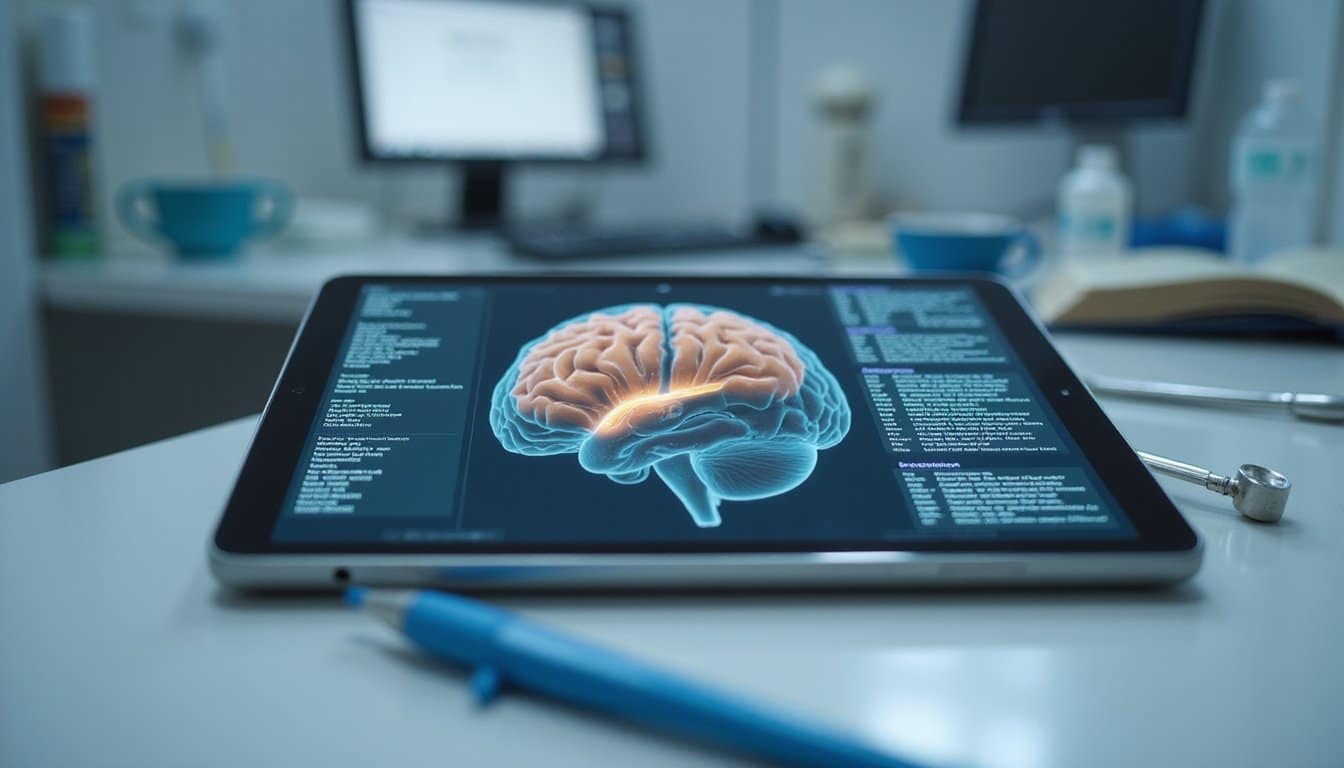
Alcohol hijacks neural pathways, disrupting memory formation and decision-making while strengthening the brain's reward response to drinking behavior.
- Your brain's reward circuits become hijacked, making alcohol-seeking behaviors increasingly automatic and difficult to surmount
- Your hippocampal dysfunction weakens your capacity to build new, healthy neural pathways
- Your amygdala's heightened reactivity makes you more vulnerable to stress triggers