Prescription Drug Addiction
Mixing Cocaine and Alcohol: Combined Effects and Serious Health Dangers
Blending cocaine and alcohol creates a deadly metabolite most people have never heard of, and its effects are far worse than you’d expect.
Blending cocaine and alcohol creates a deadly metabolite most people have never heard of, and its effects are far worse than you’d expect.
Learn how fentanyl silently stresses your liver through enzyme overload and tissue accumulation, before the real damage begins.

How quickly can fentanyl destroy brain cells, and is the damage truly permanent once it starts?

Uncover the hidden ways fentanyl damages your heart, and why one overlooked mechanism could be the most dangerous of all.
Can Suboxone truly block fentanyl’s powerful effects, or does its lipophilic nature create dangerous complications most patients don’t expect?

How does fentanyl reshape your cardiovascular system beyond what most people realize, and why does the dose change everything?
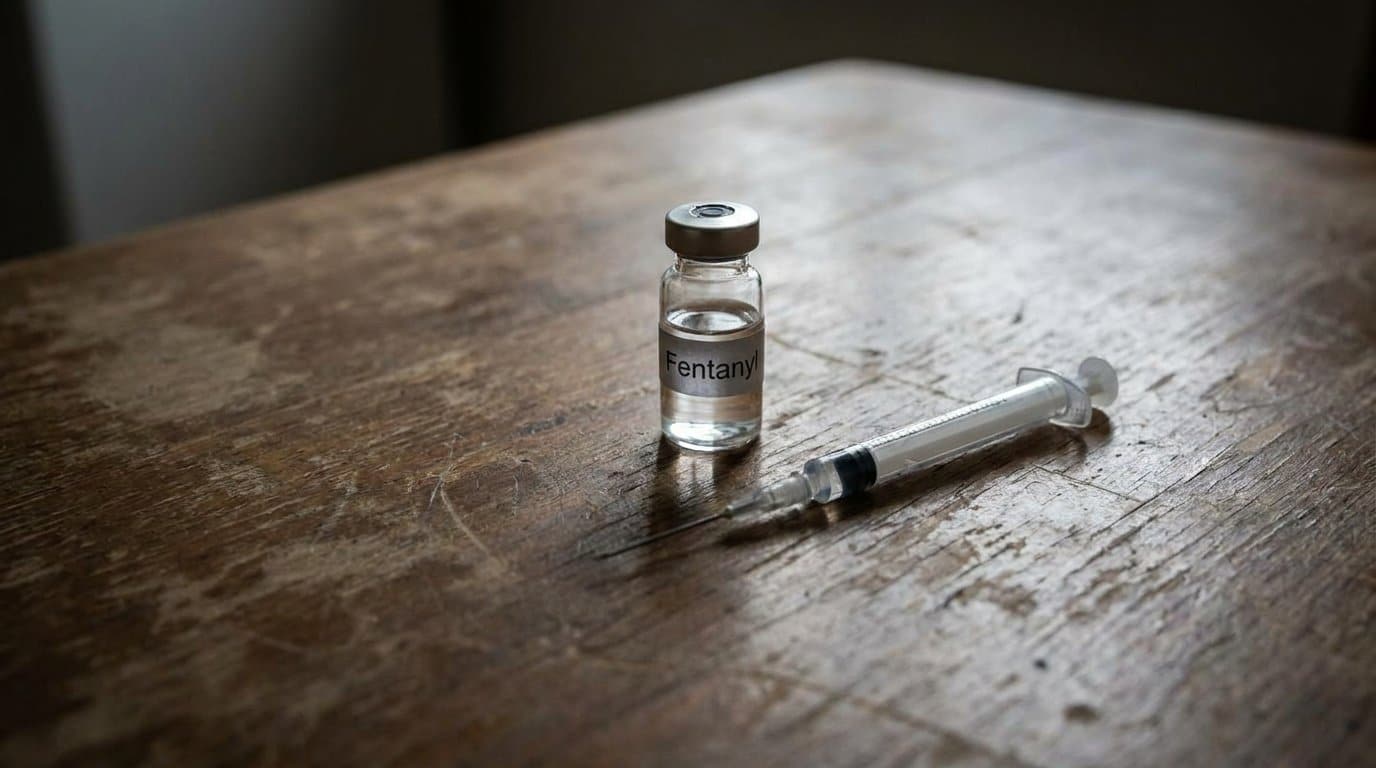
Knowing fentanyl’s onset can range from seconds to days might surprise you, but the reason why changes everything.

Most people don’t realize fentanyl quietly damages nearly every organ system, discover the hidden long-term effects you need to know.

Fentanyl’s immediate effects can be deadly within minutes, but its lasting damage goes far deeper than most people realize.
Science shows cocaine doesn’t sober you up, it creates a dangerous illusion that could have fatal consequences.
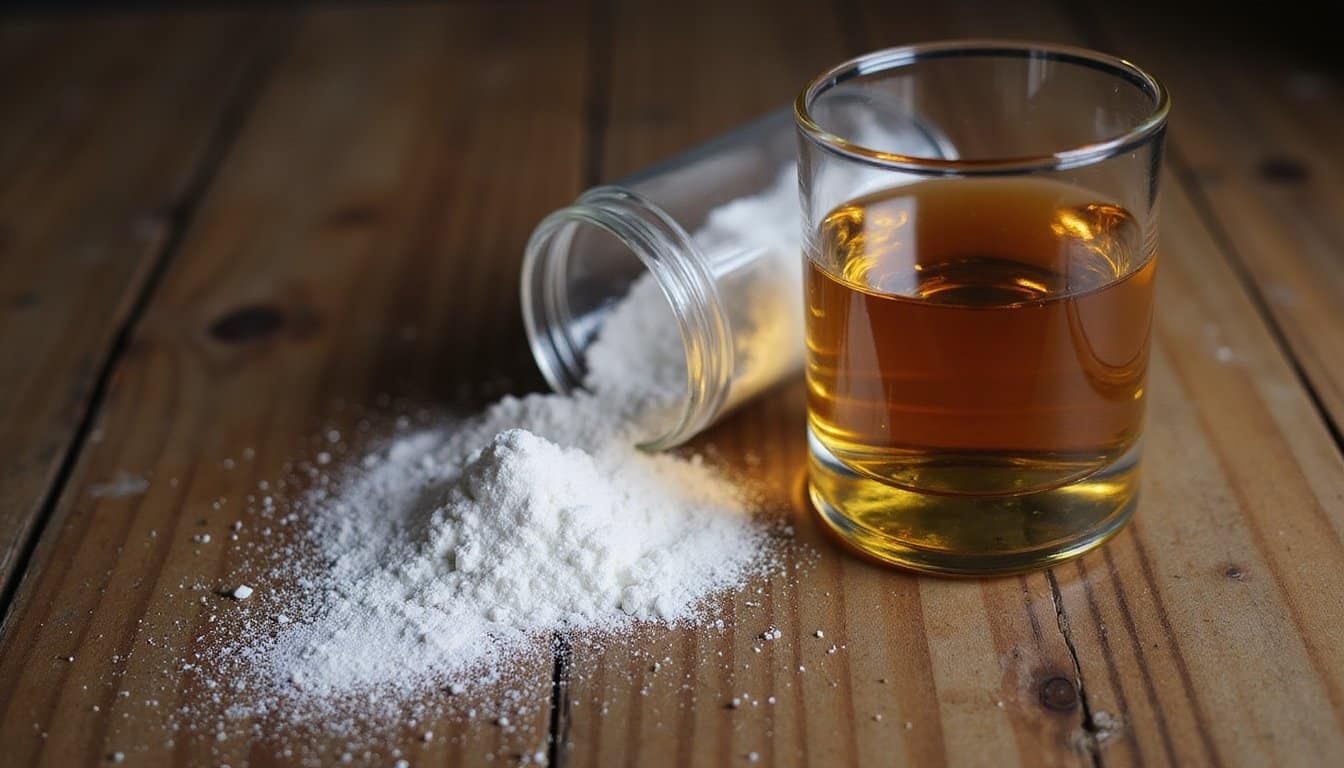
Get the surprising truth about crack vs. alcohol risks, one scores higher on harm scales, but the other kills faster.

Most fentanyl users experience constipation, but the surprising gut mechanism behind it reveals why standard remedies often fail.
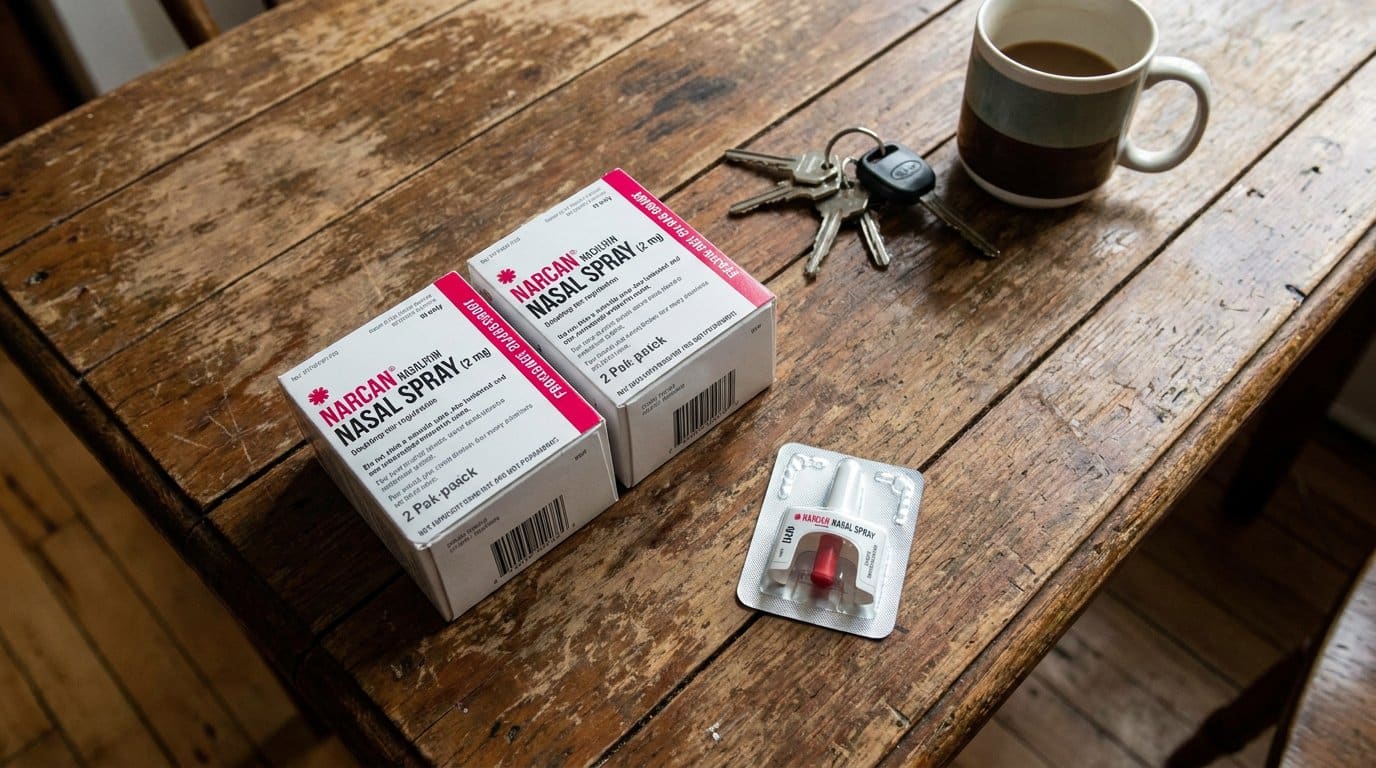
Understand why Narcan won’t reverse a cocaine or alcohol overdose, but one hidden danger makes administering it absolutely critical.

Most people struggling with alcohol use disorder overlook the one therapy combination that could dramatically transform their recovery.

Studies confirm therapy cuts relapse rates dramatically, but one approach outperforms the rest in ways you wouldn’t expect.

Most oncologists warn against drinking during radiation therapy, but the real risk to your recovery may surprise you.
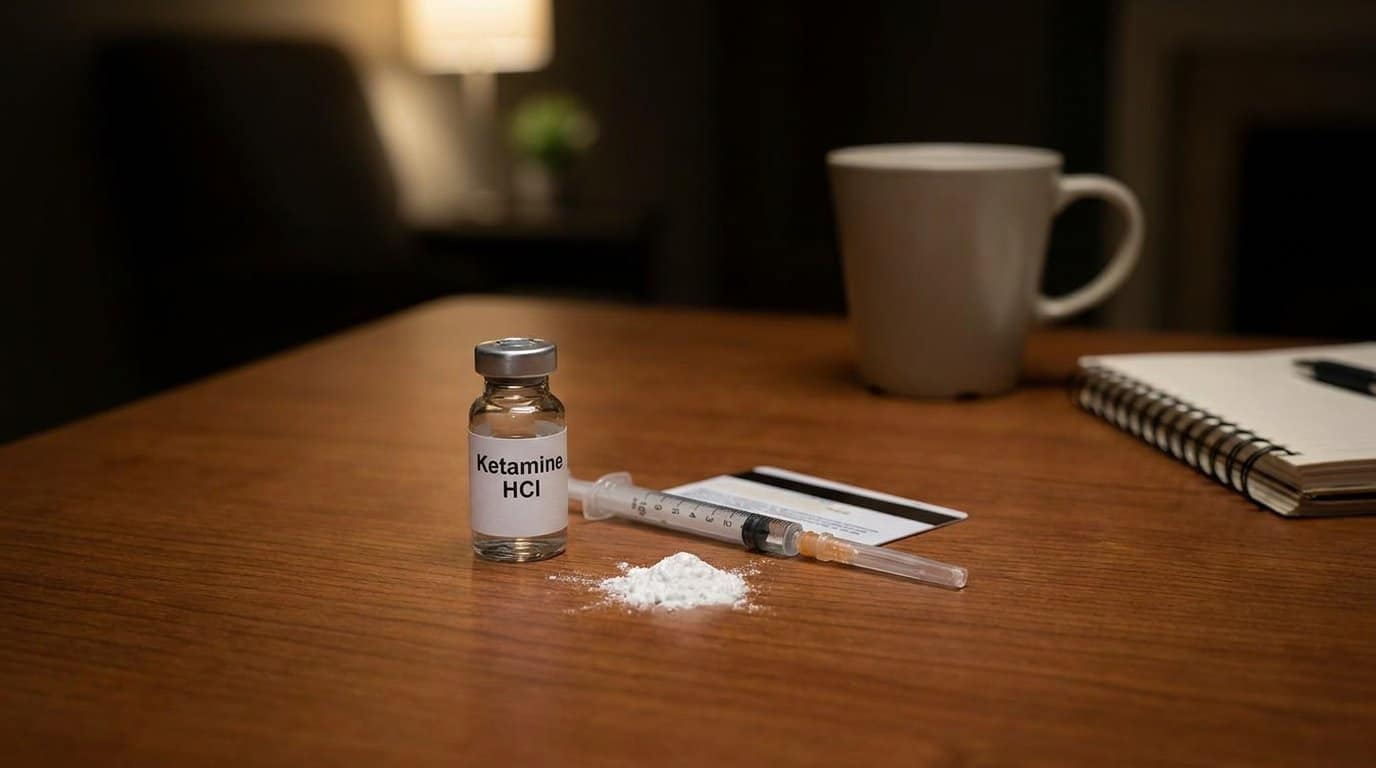
One groundbreaking trial showed an 86% abstinence rate with ketamine therapy, but the mechanism behind it changes everything we assumed.

Beyond the dopamine rush lies a hidden rewiring of your brain that explains why quitting takes far more than willpower.

Find out how addiction silently rewires your brain’s pleasure and control centers, and why the final stage changes everything.

Addictive substances hijack your brain’s dopamine system in ways that natural rewards never could, and the consequences may surprise you.

Good news: your brain starts healing the moment you quit, but the timeline for full recovery might surprise you.

Addiction rewires your brain’s reward system, but neuroplasticity offers a powerful way to reverse the damage, if you know how.

Get the truth about addiction’s lasting impact on your brain, and discover which damage may still be reversible.

Want to know how long your brain truly needs to recover from addiction? The timeline might surprise you.

Journey through medical detox involves more than just clearing substances, the critical stabilization stage could surprise you.

Precise medications and round-the-clock monitoring make medical detox safer than you think, but one critical phase changes everything.

Common detox symptoms follow a predictable timeline, but one overlooked phase catches most people completely off guard.

Alcohol and drug withdrawal can turn fatal without medical supervision, discover the protocols that dramatically increase your chances of surviving detox.

Chronic heavy drinking makes quitting dangerous, discover the critical withdrawal timeline that could save your life.

Detox preparation involves more than just packing a bag, discover the critical steps that could determine your recovery success.